Showing posts with label ants. Show all posts

Friday, June 30, 2017

3 Pests That Might Eat Your Stockpile Before You Do

3 Hidden, Unseen Dangers In Your Food Stockpile

Image source: preparedsociety.com


What can be worse than to open up your stockpile, only to find that all of your food supplies have been eaten by something else?


Stockpiling supplies isn’t enough. You need to protect all of them from the pests that could leave your family hungry in a time when food will be scarce.


Venezuelans were eating dogs, cats and pigeons in 2016 because they couldn’t find any food. The Spanish and the Portuguese had to resort to food banks after the economic collapse of 2008. Incredibly, 1 in 7 Americans is on food stamps.


Unless you want to throw money away on food, I recommend you know what the biggest enemies of your stockpile are, and then take these easy steps to protect your food from all of them.


1. Rats and mice


The first things everyone thinks of when they hear the word “pests” are mice and rats. They can wreak havoc in your pantry, particularly if the only thing protecting your Mylar bags is 5-gallon plastic buckets. They will chew away plastic without a problem.


Now, there are various types of mice traps out there, including a few that are really, really cheap. But that doesn’t guarantee that your stockpile will be safe. The first thing you should do is put those plastic buckets into larger, metal buckets.


The only thing about metal buckets is that they’re pretty pricey. A 6-gallon metal bucket with a lid is more than $20 on Amazon … so you’ll probably only put some of your foods in them at first, while you also focus on the other ways to keep mice out of your pantry. (Figuring out the entry point and isolating the room, setting up mice traps, etc.)


Report: 9 Out Of 10 Americans Dead Within A Year …


A better solution is to get one or more of those galvanized trash cans. They’re about $35 each, but they can fit more buckets. Keep in mind that metal containers are more fire-resistant than plastic ones, meaning that in case of a house fire, your stockpile could get away unharmed.
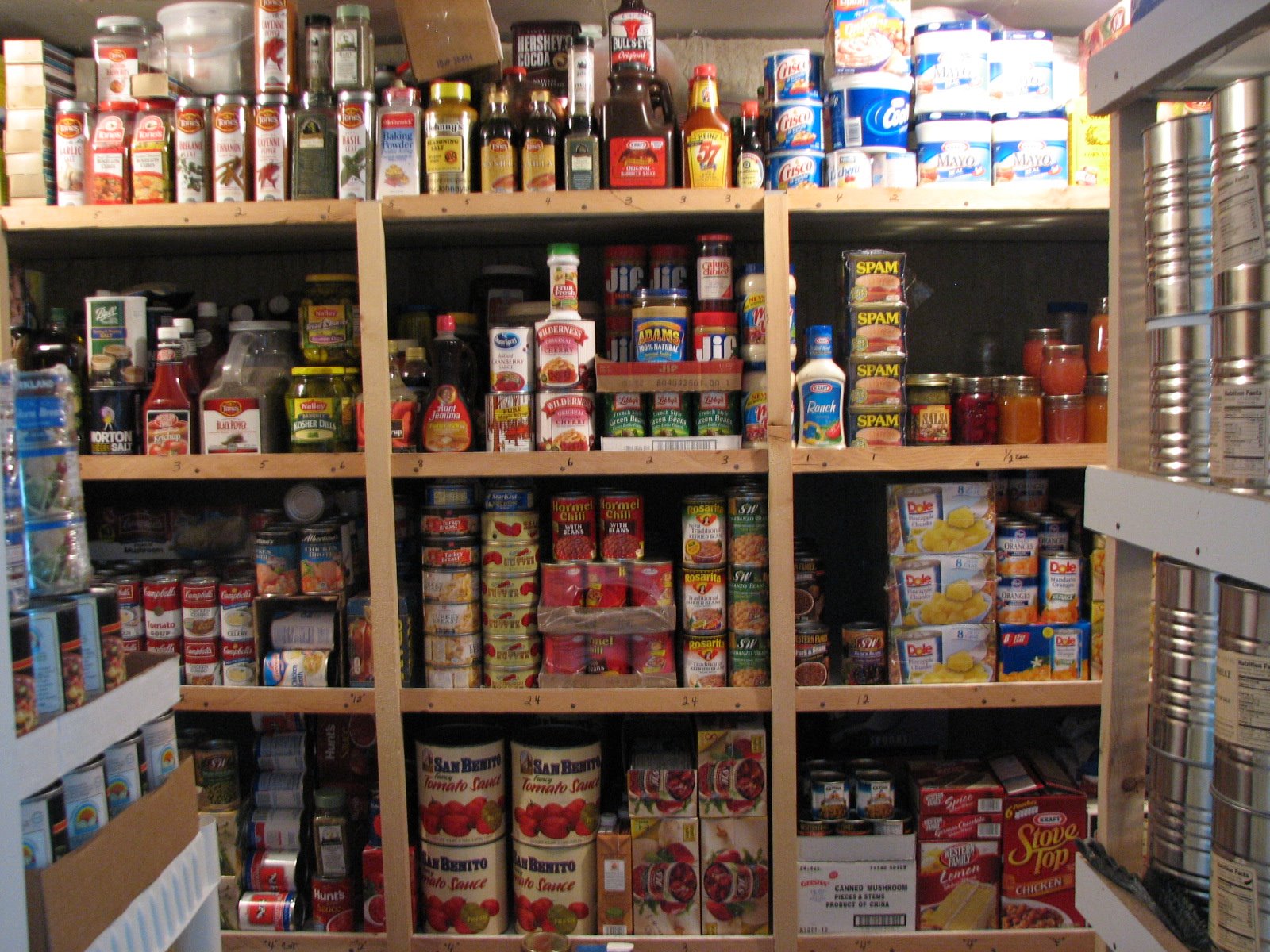

3 Hidden, Unseen Dangers In Your Food StockpileTip: don’t forget to keep pet food the same way you keep your own. Pests will be drawn to it if you leave dry pet food in original packaging.


2. Pantry moths


The good news is that moths have a harder time getting inside containers than do mice. So, if you have #10 cans or glass jars, so long as they are properly sealed, they should be enough.


Nevertheless, having them in your pantry requires to always be careful not to keep containers open. There are plenty of tricks known by pest control folks on how to take care of them. For example, one gentleman I read on a survivalist board suggested using pheromone traps and a portable steamer to make sure not only the moths but also their eggs are removed from your pantry. Sounds like good advice.


3. Ants


Out of all the pests we talk about in this article, you’re probably going to hate the sugar ant the most. That’s because it’s attracted to comfort foods (such as honey) as well as sugar. Some of the things you can do to get rid of ants include:


  • Block as many entryways as you can. Yes, I realize they are really small and can come in through many different places, but this will decrease the chances of them being successful.

  • Ants hate vinegar and lemon juice, so mix a 50-50 solution with water when you clean your pantry. They help clear those trails that they leave to attract other ants.

  • Sprinkle cinnamon, mint or black pepper throughout your pantry; ants do not like them.

Of course, it isn’t just comfort foods that ants like. Pretty much any type of food will attract them. I realize you know how to keep your 5-gallon plastic buckets safe but don’t forget the extra items you bring to your pantry, such as pemmican or seeds. Literally everything should be kept in airtight containers.


Spending a few extra dollars on ways to keep pests at bay could save you hundreds or even thousands of dollars in the long run.


What advice would you add? Share it in the section below:


Are You Truly Prepared For A Downed Grid? Read More Here.

Monday, May 8, 2017

5 All-Natural, Inexpensive Ant Repellents You Already Own

5 All-Natural, Inexpensive Ant Repellents You Already Own

Image source: Pixabay.com


Ah, spring! It’s a beautiful season, marked by the arrival of things we greet joyfully: longer days, warmer temperatures, much-loved perennials poking out of the soil, and fully stocked garden centers. But spring also sees the return of some things that we don’t greet with as much joy. Like ants, especially when they make their way inside our homes.


Ants hibernate over the winter. Just like bears, they gorge on food in the fall. Their bodies survive off those stored nutrients over the winter. And then, just like bears, when warmer temperatures arrive, ants emerge from their nests seeking food. In those early spring days, when the nights are still chilly, they also look for a warm place to spend the night.


Discouraging Ant Visitors


Ants communicate with each other by secreting pheromones (natural bodily chemicals created by mammals and insects). When an ant locates food, it will create a pheromone trail for other ants to follow to the food source. Because tiny ants can squeeze through minute crevices, it’s often difficult to figure out where they are entering the house so that the entrance can be sealed. If you don’t know where to block them from entering, ants will continue following the pheromone trail into your house.


Keeping your home free from food debris will deter ants from visiting. They are especially attracted to sweet foods, like fruit, fruit juices, honey and sugar. Keep your counter and table surfaces clean, your floors swept, and your compost and trash bins tightly covered. Ants also need water. If they seem to be coming in for a drink, remove or relocate that water source (e.g., pet bowl).


Check the exterior of your home and caulk up any noticeable crevices. If you don’t have caulk on hand or the hole is very small, you can use petroleum jelly, which will hold its seal for about a year.


Natural Ant Repellents


If you’ve removed their food and water sources, and have sealed any noticeable entrances, but you still have ants indoors, there are a number of cheap natural repellents that you can use.


1. White vinegar or lemon juice


Vinegar and lemon juice both disrupt the pheromone trails, making it difficult for ants to know where to go. Mix one part white vinegar (or one part lemon juice) with one part water. The solution can be sprayed around the area the ants congregate and/or their suspected entrance, or it can be applied to a cloth so that those surfaces can be wiped down.


2. Essential oils


A number of different essential oils may deter ants from coming in, including eucalyptus, cinnamon, clove, tea tree, peppermint, neem and citrus oils. Like vinegar and lemon juice, essential oils disrupt the ants’ pheromone trails. Citrus oils have an added benefit: because they contain d-limonene, they’re toxic to ants.


5 All-Natural, Inexpensive Ant Repellents You Already Own Essential oils may be applied by swabbing the area with an oil-soaked cotton ball, or by spraying. Some online sites suggest mixing 10 drops of essential oil to one cup of water; others suggest mixing equal parts essential oil and water. Personally, I would probably start with 10-20 drops of oil to about ½ cup of water, and if that didn’t seem to be working after a few days, I would add more essential oil.


Heather at mommypotamus.com suggests putting vodka into the spray, too, which will help keep the oil and water from separating. Her “recipe” calls for ¼ cup of water, ¼ cup of vodka, and 30-40 drops of essential oil.


3. Spices


If you don’t have essential oils on hand, you can use similar spices, such as ground cinnamon, ground cloves, dried mint, cayenne pepper, black pepper, salt, bay leaves, or garlic powder. Just sprinkle where needed.


4. Food grade diatomaceous earth


While DE has health benefits for mammals and plants, it is toxic to insects that have exoskeletons, including ants. The sharp edges of DE particles damage the waxy coating on ants, and once that happens, DE dehydrates the insect.


Diatomaceous Earth: The All-Natural Ant Killer!


To use, just sprinkle it where ants travel and/or congregate.


5. Soap and water


Soap creates a coating on insects which makes it impossible for air to reach them, and as a result, they suffocate. Make a spray by combining ¼ cup of dish detergent with 1 cup of water. It’s best to spray ants directly.


In general, ants are beneficial in the garden. They aerate soil, pollinate plants and distribute seeds. Also, ants are not herbivores and usually don’t damage plants, but they do prey on other herbivorous bugs that may be chowing down on your plants. Wherever possible, it’s best to leave outdoor ants alone. However, if they’ve built an anthill very close to your house, and are entering it, it may be best to kill off the entire colony by dousing the hill with a pot full of hot soapy water.


There are many other suggested natural ant repellents. Some, like coffee grounds and cornmeal, are reported by some online sites as being ineffective. Others, like borax, are not recommended to use around small children or pets. If you’ve had success with any natural ant repellents, please let us know in the comments below.


How do you get rid of ants? Share your suggestions in the section below: