Showing posts with label medicinal. Show all posts

Friday, August 4, 2017

It Removes Splinters. It Heals Wounds. It Makes A Great Salad. And Chickens Like It, Too.

It Removes Splinters. It Heals Wounds. It Makes A Great Salad. And Chickens Like It, Too.Chances are you have chickweed growing in your backyard. But did you know this herb has multiple medicinal purposes?


It grows between four and 12 inches long and produces small, yellow and green leaves. Small white flowers also develop on the plant.


One of the most common uses is on the skin. If you have a minor burn, you can help heal it with a chickweed salve. Chickweed also is a great addition to homemade lotions.


You even can use the juice from the plant to draw out splinters! If you spend any time working in the garden or around wood, you need chickweed.


Do You Want Fast, All-Natural Pain Relief With No Nasty Side Effects!


Those are just two of the medicinal properties of chickweed. Here are a few more:


  • It soothes itchy and sore skin conditions.

  • It acts as a diuretic for those who suffer from congestive heart failure or obesity.

  • It is used it some parts of Asia to help regulate a woman’s menstrual cycle.

  • It can be used to help increase a mother’s milk flow after birth.

  • It relieves constipation.

  • It is used in an infusion or herbal tea to soothe coughs and hoarseness.

  • It treats asthma and bronchitis.

  • It treats rheumatic pains and wounds.

Of course, Chickweed has non-medicinal uses, too. Believe it or not, chickweed during the Victorian era was once planted in gardens to add to salads and sandwiches. Chickweed is rich in Vitamin C and potassium, as well as Vitamin B complex, so feel free to add it to dishes!


If you are a poultry owner, chickweed is a favorite among birds. In the spring, it is a nutritious weed for poultry to eat, refreshing them after a long winter. It is one of the first plants that grow


How to Reap the Benefits of Chickweed


Most herbalists create tinctures from chickweed. It transfers its properties into vodka, brandy and other alcohol well. Another great choice is to make a heat-infused herbal oil. Doing so allows you to create salves, lotions and ointments featuring chickweed.


Chickweed is truly a versatile and beneficial herbal weed to harvest in your backyard. Don’t let it go to waste!


How do you use chickweed? Share your tips in the section below:  

Friday, June 23, 2017

6 Healing Herbal Teas You Can Make From Backyard Plants

6 Healing Herbal Teas You Can Make From Backyard Plants

Image source: Pixabay.com


Our ancient ancestors developed remarkable medicinal solutions from nature. One of those was herbal teas.


Herbal teas involve an infusion of certain leaves, roots or bark in hot water to leach out certain chemicals and nutrients that have curative or medicinal value.


The symptoms and benefits we’ll address include:


  • Pain

  • Inflammation

  • Congestion

  • Bloating

  • Immune support

Infusion 101


An infusion is simply a combination of hot water with a source material like dried leaves or stems. The boiling temperature for water is 212 degrees Fahrenheit. An infusion starts at 211 degrees. Typically, a blend of crushed leaves or greens are soaked for three to five minutes to create the tea or infusion. Anything can be added to this infusion, from honey to sugar to salt. It’s up to you.


Many infusions require you to dry the leaves or stems. This can be done in the sun or with a food dehydrator. This will give you a combination that looks like tea leaves.


With the exception of natural pain relievers like infused willow bark, most natural remedies take some time to show benefits. This is also true for many manufactured pharmaceuticals. The key is to stay the course and don’t expect that one cup is going to make everything alright. Healing takes time, regardless of the medicine; be patient and vigilant.


Infusion Dosage


It’s difficult to know the exact amounts of source material to add to the water. That’s because the concentration of natural compounds in any wild herb or plant varies depending on moisture, temperature and soil. It’s best to start with a weaker solution and increase concentrations as symptoms appear to be relieved.


Here are some popular backyard plants that can be infused:


1. Hyssop or wild mint. This is an anti-viral decoction that is more of a preventative measure, but it can help if you have a cold or flu. Once again, this is not a cure, but it can help with symptoms and offset the advance of an illness.


2. Wild sage (purple sage). This plant covers the prairies across North America. It is a proven anti-inflammatory when infused into a tea. Dry the leaves and crush and soak in the infusion.


3. Willow bark. All willow trees contain a chemical element called “salicin.” It’s the active ingredient in aspirin. The white willow has the highest concentrations in the inner bark. When infused into a tea, this makes for a potent pain reliever. Use in moderation as you learn about the proper dosages.


4. Red clover. This one is easy to spot, and its signature three-leaves and the clover flowers are quite common. As an infused tea, this is a great treatment for coughs and colds. A little honey, maple syrup or sugar tops it off as a natural cough medicine.


5. Sweet violet. They come in colors ranging from white to purple, and the flowers are not only edible but make a great tea when dried in the sun or a food dehydrator. The tea has a natural sweetness and often was used by Native Americans as a treatment for headaches and muscle pain. A little bit of honey helps, but the sweetness of the flowers can suffice.


6. Burdock. The roots of the burdock plant are used to make an infusion when dried. The leaves and stems also can be used, but the roots have the highest concentration of elements that function as a diuretic and blood cleanser.


What plants would you add to our list? Share your thoughts in the section below:

Wednesday, May 10, 2017

Arnica: The Secret Native American Pain Reliever

Arnica: The Secret Native American Pain Reliever

Image source: Pixabay.com


There are many herbs in the world that can be useful when used appropriately. Misuse however, can lead to illness and even death. Arnica is such a plant.


When used appropriately, arnica can be a powerful medicinal. However, it also can cause severe liver damage if used under the wrong circumstances. For example, arnica should not be used internally. Ingestion can lead to gastroenteritis or cardiac arrest due to helanin poisoning. When it comes to wild harvesting and the preparation of medicinal plants, it is always a good idea to bring along a high quality guide book for identification and to work under the supervision of a more seasoned guide and mentor.


Now that we discussed that little piece of wisdom, I think it’s safe to move our conversation into all the ways that arnica is special.


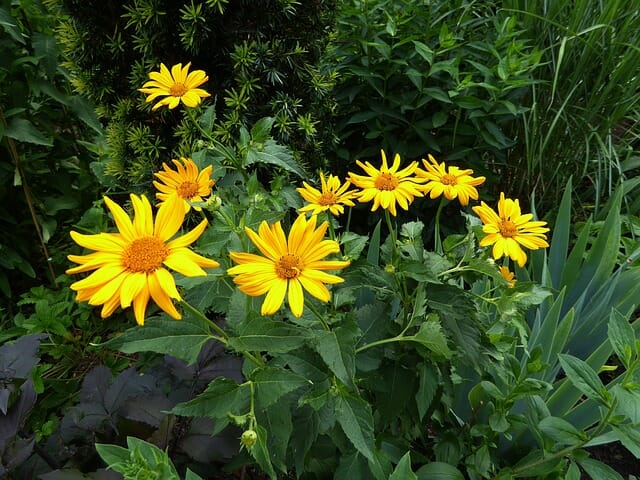
Arnica is a perennial aster that is part of the sunflower family. There are more than 30 species of arnica. Of these 30 known species, two are most commonly discussed for medicinal use — one that is endemic to Europe and another that makes its home along the mountainous regions of the United States and Canada.


Fast, All-Natural Pain Relief With No Nasty Side Effects!


The European arnica is known as Arnica montana, and the North American counterpart is Arnica chamissonis. Arnica cardifolia (heart leaf arnica), another sub-species of North America, can be found as far east as Ontario and Michigan. They are all fairly similar in appearance. Other than its value for medicinal purposes, arnica is also an exceptionally beautiful wildflower. Even if you never use it as a remedy, it is still worth admiring for its brilliant golden hue, delicate bright green leaves and its ability to spread into dense clusters within the dappled sun of a western confer forest.


Arnica’s Uses Throughout History


Arnica: The Secret Native American Pain Reliever

Image source: Pixabay.com


Arnica has been used as a medicinal herb in Europe and North America for hundreds of years. Several Native American tribes used the roots to prepare a tea that would aid in the alleviation of back pain. Some of the first recorded European folk remedies date back to the early 16th century. Arnica was used as a preparation for black eyes, sprains and minor contusions. Although ingestion has been shown to cause severe liver damage, topical applications have proven to be effective at aiding the healing process for strained muscles and minor injuries. When used as a tincture or as a compress, arnica is known for its ability to stimulate blood flow. This helps to reduce pain, alleviate swelling and it aids in the healing of bruises and hematomas. Arnica also increases the rate of tissue regeneration.


The most commonly collected parts of the arnica plant are the flowers. Arnica typically blooms between June and August, depending on the altitude and availability of water. Blossoms should be gathered when fully open and can be used immediately for fresh use or dried for later use. The best temperature for drying arnica blossoms is between 70 and 95 degree Fahrenheit. Once dried, blossoms should be stored in a clean glass container away from direct sunlight. It is best to use the blossoms within 12-18 months of harvest.


Arnica blossoms can be used in the preparation of salves and tinctures. Ingestion of arnica can be fatal, and the overuse of concentrated essential oils is to be avoided. Some homeopathic preparations have been approved for internal use but should not be attempted without proper guidance.


Arnica cannot tolerate trampling or excessive foot traffic. For this reason, it is advised that wild crafters should be mindful of the delicate nature of arnica and not over-harvest it. The good news is that Arnica is relatively easy to propagate.


Arnica thrives in soils with an acidity of 6-7 pH and can tolerate full sun to partial shade. If enough water is available, it also can thrive in poor soils with high acidity. For these reasons, it can be an ideal plant to work into a home garden. The easiest way to propagate arnica is by collecting seed or by dividing the roots. The best time for division is during early spring. Seeds can be started indoors and transplanted out at any time. Some species of arnica are hardy to cold weather, while others are better suited to a milder zone 6 climate. The best place to plant arnica is in your herb garden, but it also can be used as a seasonal bedding plant (although its bloom time is relatively short-lived).


In closing, if you are not familiar with arnica, it is definitely a plant of value worth knowing. By protecting the wild and scenic places in this world, we also protect one of our greatest aesthetic and medicinal resources — our native herbs and flowers.


*This article is for informational purposes only and is not intended to diagnose or cure any particular health condition. Please consult with a qualified health professional first.


Have you ever planted and used arnica? Share your tips in the section below:

Friday, April 28, 2017

3 Medicinal Mushrooms Anyone Can Find

3 Medicinal Mushrooms Anyone Can Find

Poplar Mushrooms. Image source: Flickr / Wendell Smith / Creative Commons


An old Croatian proverb went like this: “All mushrooms are edible, some only once.” The meaning: Yes, many mushrooms are delicious and nutritious, but many also are quite poisonous.


If you are not an experienced and competent collector and cannot positively identify look-alike species, I strongly suggest purchasing a field guide that will help you with this, and consider asking a veteran mushroom hunter to help.


Still, the world has 38,000 different species of mushrooms that hold medicinal qualities.


Yep, 38,000.


Researchers have found their compounds potentially effective against all sorts of maladies — from chronic fatigue syndrome to cancer. In the environmental arena, researchers are studying them for their ability to absorb toxic substances.


Many mushrooms also happen to be really delicious.


Here are just three that you are likely to find on your property and some of the information you can use to determine their use in your personal life.


1. Hiratake (Oyster Mushroom)


(Pleurotus Ostreatus)


Where it is grown: Grows wildly in temperate and sub-tropical forests and is responsible for the decomposition of deciduous trees like the beech.


Fast, All-Natural Pain Relief With No Nasty Side Effects!


Medicinal properties: The Hiratake mushroom contains statins that are known to lower the bad type of cholesterol, LDL. The statin compounds are present in the fruited body as well as the mycelium network of the mushroom.


Cultivating: Can be done simply and inexpensively by inoculating a medium of brown rice and then harvesting the fruit bodies or mycelium. Asian countries cultivate it primarily by putting layers of hay into plastic bags, the mushroom spores being placed in between the layers.


Table fare: The oyster mushroom is a common companion in Asian and Indian dishes and makes a good addition to various soups and stews.


Weird but true: Aside from being able to decompose trees, this particular species of mushroom can purportedly decompose disposable diapers and absorb petrochemicals and PCBs.


Its usefulness in waste and toxin remediation is currently being researched by several organizations. Dried, it also makes a high R-value insulator for the homestead.


2. Chestnut Mushroom (Poplar Mushroom)


(Agrocybe Aegerita)


Where it is grown: This mushroom grows naturally all over the world wherever deciduous trees are found. It is particularly fond of Poplars, where it causes holes in the tree, hence the name “Poplar mushroom.”


Medicinal properties: The mushroom contains compounds that are scavengers of free radicals. There also have been studies linking the mushroom’s active compounds to a slowing down of osteoporosis advancement.


Cultivating: Inoculating hardwood chips, sawdust or hardwood logs with the spores. It is known to be one of the easiest mushrooms to cultivate commercially.


Table fare: This mushroom is both meaty and delicious — raw or cooked. But as part of a genus that contains more than 100 different species, some quite poisonous, it is best left to an experienced collector who can differentiate it from its more unpleasant relatives. Having said that, it has a strong, earthy flavor and makes a tremendous contribution to the flavor of sauces, stews and casseroles.


Learn How To Make Powerful Herbal Medicines, Right in Your Kitchen!


Weird but true: The ancient Greeks collected these mushrooms and believed that they “popped” out as a result of lightning strikes. Many morel hunters hold this very same superstition.


3 Medicinal Mushrooms Anyone Can Find

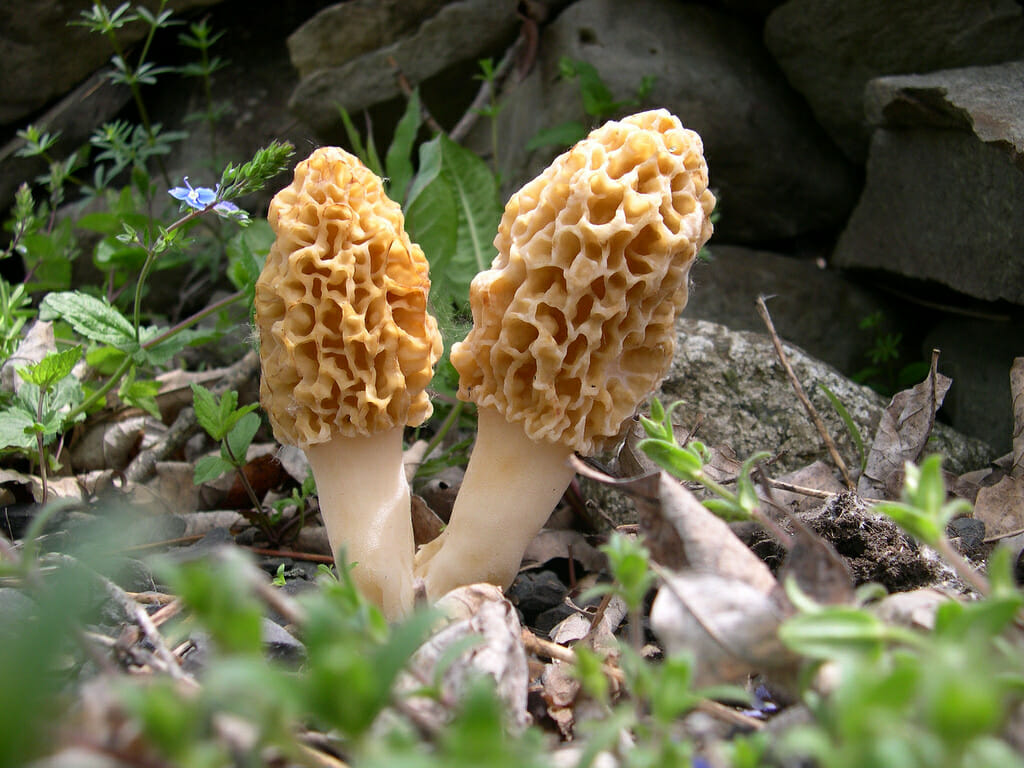
Morel. Image source: Flickr / Creative Commons


3. Morel Mushroom


(Morchella Esculenta)


Where it is grown: It is commonly found in the temperate Northern Hemisphere, including North America, Pakistan and China.


Medicinal properties: Particularly high in iron and B-complex vitamins, it is a wonderful addition to the medicine cabinet. This mushroom is also known for its immune-boosting properties.


Cultivating: Although several attempts have been made to commercially grown these ghosts of the woods, none has been successful. Best case is to scatter the trimmings from wild harvested mushrooms in your nearby wooded area and hope for some volunteers. This is usually quite sporadic and takes years to establish.


Table fare: The morel is the most highly prized of all mushrooms for its deeply earthy, meaty flavor. The French cherish its flavors and feature it in many highly refined dishes. For the rest of the world, they are delicious cut in half, dredged in flour, and sautéed in butter until crispy. Delicious!


Weird but true: The morel took center stage for many mushroom conspiracy theorists. An entrepreneur and mycologist was once purported to have found a way to commercially cultivate the mushroom in large scale. Just as he was about to sell his method to a popular pizza chain (of all things), he mysteriously died, prompting many to believe that he was murdered in an attempt to keep his secret from becoming public.


What is your favorite mushroom to forage for and eat? Share your tips in the section below:

Tuesday, April 4, 2017

WWII Pilots Said It Boosted Vision. And Native Americans Insisted It Cured Heart Problems.

WWII Pilots Said It Boosted Vision. And Native Americans Insisted It Cured Heart Problems.

Image source: Pixabay.com


It’s related to and often confused for blueberries, and has a time-honored role in both folk and herbal medicine.


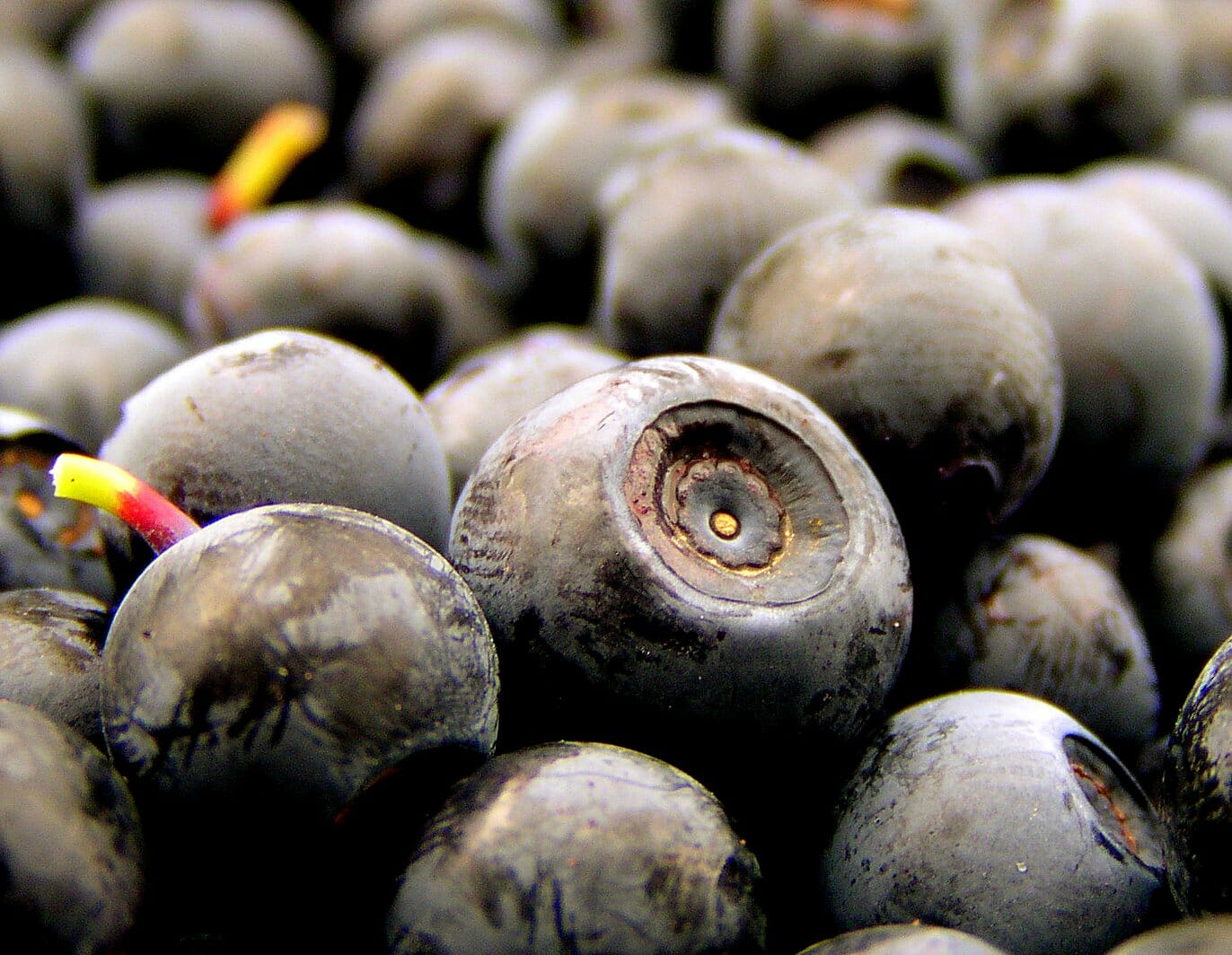
It is the bilberry, a delicious blue fruit that can be distinguished from blueberries by looking at the flesh. The flesh of the bilberry is dark and juicy, while the flesh of the blueberry is white or pale green.


The pigment throughout the berry is what makes the medicinal qualities in the bilberry more potent than that of the blueberry. These plants are difficult to cultivate and are most often hunted and wild-harvested in the forests of Europe, northern Asia and North America.


Learn How To Make Powerful Herbal Medicines, Right in Your Kitchen!


Scientifically known as Vaccinium myrtillus, the bilberry is also commonly called a “huckleberry” or a “whortleberry.” Its most popular name, “bilberry,” comes from the Danish word bollebar, which means “dark berry.”[1] The wild plants are so common in Europe that much of the world’s supply is gathered in the mountains from Scandinavia to the Balkans. It is harvested in midsummer and found in woodlands and meadows. The berry is common in European cuisine — made into syrups, jams and desserts.


History of its Use


WWII Pilots Said It Boosted Vision. And Native Americans Insisted It Cured Heart Problems.Native Americans traditionally ate the fruit of the “big huckleberry,” and used its roots as a treatment for heart ailments and arthritis. In Europe, the bilberry has been used medically for nearly 1,000 years to prevent scurvy due to its high vitamin C content. [2] However, it was German physician H. Bock who first described bilberry’s medical properties, in 1539.[3] The berry continued to gain popularity and by the 17th century a mixture of honey and bilberries, called “rob,” was being prescribed in England to treat diarrhea.


During World War II, pilots for the British Royal Air Force found — rather accidentally — that eating bilberry jam before a night mission improved their night vision. The practice became standard for both British and American pilots flying at night for the rest of the war.[4] According to Nutritional Herbology, taking bilberry to improve night vision “…is so effective that a single dose is said to improve one’s night vision within hours.”[5]


Medicinal Properties & Uses


Since the night vision claims by the RAF pilots, extensive research in Europe has discovered that the fruit is high in bitter compounds, called flavonoids. These flavonoids or anthocyanosides are contained in the pigment of the bilberry’s skin and flesh and are responsible for the berry’s high antioxidant properties. It’s these flavonoids that are believed to help promote healthy brain and eye function. They also protect against heart disease, free radicals and inflammation.[6] The bitter compounds inhibit collagen destruction and are a standard ingredient in anti-aging remedies.


Beet Powder: The Ancient Secret To Renewed Energy And Stamina


Bilberry is known to affect the structural and circulatory systems.[7] Its tannins and flavonoids are responsible for its anti-inflammatory, antithrombotic and antispasmodic properties. Consuming the berry also helps decrease capillary permeability. This makes the berry a common choice among the sufferers of varicose veins, poor circulation, macular degeneration and glaucoma. It works so well and has so many uses that bilberry is among the most popular non-prescription “drugs” in Europe.


The berry is sweet and tastes similar to a blueberry and is high in zinc, Vitamins C and A, phosphorus, manganese and iron.


The fruit is usually consumed encapsulated or added, as a powder, to smoothies. The dried berries can be made into a tea and administered as a treatment for diarrhea.


Have you ever eaten bilberry? Share your thoughts in the section below:


[1] Herbal Medicine: Expanded Commission E Monographs (pg. 16)


[2] 21st Century Herbal by Michael J. Balick (pg. 296)


[3] Guide to Medicinal herbs by Johnson, Foster, Low Dog & Kiefer (pg. 103)


[4] http://www.encyclopedia.com/sports-and-everyday-life/food-and-drink/food-and-cooking/bilberry


[5] Nutritional Herbology by Mark Pedersen (pg. 46)


[6] Guide to Medicinal herbs by Johnson, Foster, Low Dog & Kiefer (pg. 105)


[7] Nutritional Herbology by Mark Pedersen (pg. 46)

Thursday, March 23, 2017

12 Edible & Beneficial Weeds Hiding In Your Yard

merriweather


Spring is here, which means homeowners and homesteaders across the country are checking the blades and changing the oil on their mowers.


But before you cut the grass for the first time, make sure you aren’t mowing over beneficial weeds – that is, plants you can eat and even use for medicine.


That’s the subject of this week’s edition of Off The Grid Radio, as we talk to Mark “Merriwether” Vorderbruggen, a foraging expert and the author of Idiot’s Guide: Foraging.


He shares with us 12 weeds we never should kill.


He also tells us:


  • The nine most common weeds that are edible.

  • The three well-known weeds that can be used as medicine.

  • The one non-edible weed you always want to destroy.

Finally, Merriwether gives us tips on how to find the weeds, and he shares precautions to ensure we don’t eat the wrong plant. He even tells us a few recipes! If you’re a resourceful homesteader or off-gridder who is ready for spring, then this is one show you don’t want to miss!