Showing posts with label immune system. Show all posts

Saturday, November 11, 2017

5 Foods That Destroy Your Immune System

5 Foods That Destroy Your Immune System | sugar-451x300 | General Health Special Interests


5 Foods That Destroy Your Immune System | restaurant-burgers-food-dinner | General Health Special Interests


A strong immune system is vital for staying health. Getting enough sleep, exercising, and good nutrition are all things that support your immune system. Conversely, running on a sleep deficit, living a sedentary lifestyle, and eating unhealthy foods will make your immune system weak. Let’s take a look at some of the absolute worst types of food for your immune system.


Foods That Destroy Your Immune System


Nutrition is a factor when considering the strength or weakness of your immune system. Eating whole, organic foods that are free of additives and chemicals provide the best nutrients without any toxins. This is the food that nourishes your body and supports immune function. But not all foods do that, let’s look at the 5 that are the worst for immune function.


1. Red Meat


A recent study from the University of California suggests red meat can trigger a dangerous reaction that can weaken the immune system. [1] The issue comes from a natural sugar in red meat that our bodies can’t digest. The sugar is believed to cause a host of other health problems—a higher risk of cancer being one of those.


2. Fried Foods


In addition to being full of fats that could increase your “bad” cholesterol, fried foods can also trigger inflammation, leading to reduced immunity. But one study suggests that just cutting back on fried foods—or better yet, getting rid of them altogether—could “help restore the body’s natural defenses regardless of age or health status.” [2] Plus, fried foods accumulate acrylamide, a dangerous carcinogen.


3. Soda


If you’re drinking soda—it really doesn’t matter what it’s sweetened with—you’re likely destroying your immune system. Even diet soda is a bad option. Because soda has no beneficial nutrients, drinkers are less likely to get enough vitamin A, calcium, and magnesium—all necessary for an optimum immune system. And, if that wasn’t enough, phosphoric acid (found in sodas) can also deplete calcium and magnesium in the body.


4. Sugary Snacks


Some sugars—refined ones are the absolute worst—can actually suppress the immune system. One study suggests that the sugar actually targets the cells that attack bacteria. [3] And the effect can even last for hours after you eat something sugary.


5. Processed Foods


One of the most dangerous foods to immune health, in my opinion, is processed foods. How come? Because there are many food companies out there who are using the terms “natural” to describe their product, even though their foods may have a hefty amount of refined carbohydrates, sugar, and hidden flavorings. Even organic processed foods, like cereal and breads, can contain immune-suppressing sugar. Processed foods are basically anything that comes in a package, contains more than one ingredient, and has been cooked and modified mechanically. Eating processed foods can lead to chronic irritation in the body. A recent study even suggests that the toxins of a modern diet completely outweigh the possible nutritional gains. [4] All this is leading us to weaker immune systems, higher rate of illnesses and diseases, and all-around poor health.


Natural Immune System Support


If you want a healthy immune system, in addition to getting rid of these foods, you could also try eating some that boost your immunity instead. These include vitamin C-rich foods like green vegetables and citrus. Exercise is also a healthy component, as is stress reduction and vitamin D supplementation. Oregano oil is also a powerful harmful organism cleanser and may have some benefit for immune health.


But, now, that you know about these 5 foods that could be hurting your health, what will you do about it? Share your thoughts in the comments!


References:


  1. Samraj, A. N. et al. A red meat-derived glycan promotes inflammation and cancer progression. Proceedings of the National Academy of Sciences of the United States of America. 112 (2).

  2. Vlassara, H. et al. Protection against Loss of Innate Defenses in Adulthood by Low Advanced Glycation End Products (AGE) Intake: Role of the Antiinflammatory AGE Receptor-1. Journal of Clinical Endocrinology & Metabolism. 94 (11).

  3. Sanchez, A. et al. Role of sugars in human neutrophilic phagocytosis. he American Journal of Clinical Nutrition. 26 (11).

  4. Myles, I. A. Fast food fever: reviewing the impacts of the Western diet on immunity. Nutrition Journal.st alternative, natural and organic health resources on the Internet.

The post 5 Foods That Destroy Your Immune System appeared first on The Sleuth Journal.

Saturday, November 4, 2017

Do Probiotics Reduce Cold And Flu Risk?

Do Probiotics Reduce Cold And Flu Risk? | bacteria-probiotics | Natural Medicine Special Interests


Your immune system is an intricate, highly-involved structure responsible for defending your body against attack from infective material, like bacteria and viruses. A number of components strengthen immune health, including probiotics. Recent research has shown certain strains of beneficial bacteria could be helpful against cold and flu. Probiotics, an important aspect of diet that is greatly under-consumed, is perhaps one of the best dietary strategies helpful for supporting immunity. Fortunately, there are easy ways to incorporate probiotics into one’s lifestyle during the cold and flu season, like taking a multi-strain supplement and eating more probiotic-rich foods.


Bifidobacterium: A Natural Approach to Immune Support


A recent study published in the British Journal of Nutrition found probiotics–the Bifidobacterium bifidum strain, in particular–may be an effective against cold and flu. [1] This double-blind, placebo-controlled study examined the effects of probiotic supplementation with highly-stressed undergraduate students. As we all know, psychological stress is one of the leading contributors to immune function inhibition, and not managing it properly can result in greater missed days from school and work due to illness. [2] Fortunately, immune health can be supported, if not improved, by incorporating daily stress management techniques, like meditation.


According to the study, implementing natural dietary strategies is also a big help. Supplementation with B. bifidum appeared to reduce the number of sick days among 581 students over a six-week period compared to placebo. The students reporting missing one or more days of school due to the cold or flu was significantly less with this bacterial strain, showing Bifidobacterium bifidum as a possible source of immune-supportive benefits. This makes sense, if we consider the fact that the majority of immune cells reside in the intestines and need regulators (bacteria) to help modulate healthy expression. [3]


Probiotics: Your First Line of Defense


Your diet and lifestyle are two key components for keeping your immune system strong, protecting it from foreign invaders prevalent in the environment. Staying away from sugar, for example, can be extremely effective, because refined sugar and refined carbohydrates in general (like white flour) suppresses immune function. [4] Increasing your intake of vitamin C through leafy greens and small berries, like mulberries, can also support your defense system. [5] Citrus fruits are also excellent supporters of immune health, but try to limit your intake of citrus juice, which is just liquid sugar with vitamins.


Again, stress provides a huge impact on immune health, and not managing it properly can lead you more susceptible to the cold and the flu. Meditation and proper sleep habits are crucial for managing stress levels and are also completely free. Exercise is also an important supporter of good health and is believed to play a role in overall disease prevention. So, in combination with an appropriate diet rich in probiotics, make sure you are staying active throughout the day.


Have the Cold? Do This


When you find you’re succumbing to symptoms of the common cold or flu, one of the things you should take is a high-quality probiotic supplement that contains different probiotic strains as well as prebiotics. The intake of prebiotics, like in the form of inulin, help probiotics grow and colonize the intestinal tract. Oregano oil is also an important immune-supportive item you can use for reducing the duration of the cold and flu. Be sure to increase your fluid intake and get as much rest as you can.


What do you do when you feel a cold coming on? Leave your tips in the comments!


References:


  1. Langkamp-Henken B, Rowe CC, Ford AL, et al. Bifidobacterium bifidum R0071 results in a greater proportion of healthy days and a lower percentage of academically stressed students reporting a day of cold/flu: a randomised, double-blind, placebo-controlled study. Br J Nutr. 2015 Feb 14;113(3):426-34. doi: 10.1017/S0007114514003997.

  2. Dhabhar FS. Effects of stress on immune function: the good, the bad, and the beautiful. Immunol Res. 2014 May;58(2-3):193-210. doi: 10.1007/s12026-014-8517-0.

  3. Hill DA, Artis D. Intestinal bacteria and the regulation of immune cell homeostasis. Annu Rev Immunol. 2010;28:623-67. doi: 10.1146/annurev-immunol–3-409-101330.

  4. Ian A. Myles. Fast food fever: reviewing the impacts of the Western diet on immunity. Nutr J. 2014: 13: 61. doi: 10.1186/1475-2891-13-61.

  5. Sorice A, Guerriero E, Capone F, et al. Ascorbic acid: its role in immune system and chronic inflammation diseases. Mini Rev Med Chem. 2014 May;14(5):444-52.

The post Do Probiotics Reduce Cold And Flu Risk? appeared first on The Sleuth Journal.

Sunday, October 8, 2017

8 Foods That Boost Your Immune System

8 Foods That Boost Your Immune System | ginger-lemon | Natural Medicine Special Interests


Maybe you have something as simple as a cold, or perhaps you’re just looking for a little boost in immunity. With the right vitamins and minerals, smart dietary choices can pack a healthy punch. Although diet gets little attention in conventional media when it comes to supporting the immune system, it is one of the most powerful methods for keeping colds and other illnesses at bay. While nutrition isn’t the only means of immune system support, it is one of the oldest and most reliable natural adjuncts.


Eight Foods for Immune System Support


The majority of your immune cells reside in your intestines, so doesn’t it make sense to consume healthy foods for keeping your immune system top notch? Here are 8 foods you can eat right now to boost your immune system.


  1. Bell Peppers

I know, right? I bet you thought citrus was going to be my first choice. Well, reach for all the bell peppers you want because they can actually have twice as much vitamin C as citrus fruits. In addition, bell peppers are a great source of beta-carotene, which not only helps maintain healthy skin and eyes but studies suggest they could also provide an immune system boost. [1][2]


    2. Citrus


Don’t be fooled by my first point! Those citrus fruits are certainly packed with vitamin C. Believed to increase the production of white blood cells, C is essential for fighting off infections. Since your body doesn’t produce or store this vitamin, stock up on citrus to help keep your immune system up and running. Supplementation with the vitamin may be helpful, but it’s always best to receive the vitamin from its natural source.


  1. Ginger

Ginger is thought to work much like Vitamin C in that it can even stop a cold before it starts. That said, it’s also a great food to reach for after you’re sick. Ginger can have a little heat due to the gingerol, a cousin of sorts to capsaicin—the stuff that makes chili peppers hot. It’s the “kick” of the gingerol that can even act as a strong soothing agent. [3]


  1. Turmeric

You can find this spice in many curries; it’s bright yellow in color, and a little bitter in taste, but it can definitely be pretty amazing for your health. While it’s already been used for its soothing capabilities for arthritis (among other things), a recent study suggests high concentrations of curcumin—what gives turmeric its color—could also reduce fever. [4][5]


  1. Spinach

With vitamin C, beta-carotene, and plenty of antioxidants, spinach is a perfect vegetable for your immune system. If you want to get the most out of it though, cook it as little as possible, or even keep it raw. But don’t stop at spinach; a study suggests that other leafy green vegetables are good choices as well. [6]


  1. Broccoli

Like spinach, broccoli is another great vegetable choice packed with antioxidants and vitamins. With vitamins A, C, and E, broccoli could easily be one of the healthiest vegetables you can put on your table. Just like with spinach, cook it as little as possible to retain its nutrients.


  1. Yogurt

If you like yogurt, make sure you’re getting the full health benefit by eating the kind with live cultures. Recent research suggests these cultures may strengthen your immune system. [7] Yogurt can also be a great source of vitamin D, which can also help boost the immune system. [8]


  1. Almonds

When your immune system needs a boost, vitamin E sometimes loses the spotlight to vitamin C, but both are crucial for a healthy immune system. Vitamin E is fat-soluble, which means fat is needed in order for it to be absorbed properly. You can get almost all of your daily allowance of this vitamin by reaching for a half-cup of almonds. How easy is that?


What food would you reach for if your immune system needed a boost? Share your thoughts with us in the comments.


References:


  1. Hughes, D. A. Effects of carotenoids on human immune function. The Proceedings of the Nutrition Society. 58 (3).

  2. Chew, B. P. & Park, J. S. Carotenoid Action on the Immune Response. The Journal of Nutrition. 134 (1).

  3. Grzanna, R. et al. Ginger—An Herbal Medicinal Product with Broad Anti-Inflammatory Actions. Journal of Medicinal Food. 8 (2).

  4. Jagetia G. C, & Aggarwal B. B. “Spicing up” of the immune system by curcumin. Journal of Clinical Immunology. 27 (1).

  5. Sultana, G. N. et al. Analgesic principle from Curcuma amada. Journal of Ethnopharmacology. 163.

  6. Li, Y. et al. Exogenous Stimuli Maintain Intraepithelial Lymphocytes via Aryl Hydrocarbon Receptor Activation. Cell. 147 (3).

  7. Meydani, S. N. & Ha W. Immunologic effects of yogurt. The American Journal of Clinical Nutrition. 71 (4).

  8. Aranow, C. Vitamin D and the Immune System. Vitamin D and the Immune System.


Create your own review


Average rating:  

 0 reviews


Friday, September 22, 2017

How a 3-Day Fast Resets Your Immune System

How a 3-Day Fast Resets Your Immune System | restaurant-dinner-table-empty-plate | General Health Special Interests


The benefits of fasting are many and various. Fasting supports good health by promoting a healthy body weight, encouraging normal cognitive function, and even facilitating detoxification. Now, research has also shown that fasting may help reset the immune system.


How Does Fasting Reset the Immune System?


Like every other system in the body, the immune system is subject to wear and tear. Aging, aggressive medical therapies, oxidative stress, environmental toxins, and the like can all accelerate the degradation of immune cells.[1, 2, 3] When immune cells are weak and frail, they’re not as effective as they should be in protecting your health. This is where fasting can help.


When you fast, your body looks for nourishment everywhere it can. It goes after stored fat, but it also recycles malfunctioning or inactive cells, like those old, worn out immune system cells.[4] This cell recycling process, known as autophagy, makes room for your body to create fresh, new immune cells. It’s similar to spring cleaning, in that you declutter your body and end up with a rejuvenated immune system. Many people, especially those whose immune system is compromised, make a concerted effort to fast for a few days once or twice every six months to reset and reboot their immune system with fresh, strong cells.[5]


How to Perform a 3-Day Fast


Forty-eight hours appears to be the minimum duration to see benefits to the immune system, but it may take a bit longer for the desired effect. A three day fast is a long enough duration to see some of the benefits, but short enough that most people wont need professional supervision.


If you’ve never performed a fast before, start small. Going a full three days without eating can be emotionally and mentally stressful if you’re not prepared for the side effects. Start with intermittent fasting, a pattern of eating that involves alternating cycles of fasting and eating. Try extending how long you go between meals. Slowly increase the amount of time between meals until you can go most of the day without eating food.


If you tolerate this well and aren’t under the care of a health care professional, you can try alternate day fasting. When you feel ready, you can embark on an extended water fast to boost the immune system even further.


Have you tried fasting to improve your immune system? What was your experience like? Leave a comment below and share your insight!


References (5)


  1. Simon, A. Katharina, George A. Hollander, and Andrew McMichael. “Evolution of the Immune System in Humans from Infancy to Old Age.” Proceedings of the Royal Society B: Biological Sciences 282.1821 (2015): 20143085. PMC. Web. 10 July 2017.

  2. Campisi, Judith. “Aging, Cellular Senescence, and Cancer.” Annual review of physiology 75 (2013): 685–705. PMC. Web. 10 July 2017.

  3. Cheng, Chia-Wei, et al. “Prolonged Fasting Reduces IGF-1/PKA to Promote Hematopoietic Stem Cell-Based Regeneration and Reverse Immunosuppression.” Cell stem cell 14.6 (2014): 810–823. PMC. Web. 10 July 2017.

  4. Longo, Valter D., and Mark P. Mattson. “Fasting: Molecular Mechanisms and Clinical Applications.” Cell metabolism 19.2 (2014): 181–192. PMC. Web. 27 July 2017.

  5. Hine, Christopher, and James R. Mitchell. “Saying No to Drugs: Fasting Protects Hematopoietic Stem Cells from Chemotherapy and Aging.” Cell stem cell 14.6 (2014): 704–705. PMC. Web. 10 July 2017.


Create your own review


Average rating:  

 0 reviews


Thursday, June 15, 2017

Could Boosting the Immune System Halt Autism and Schizophrenia?

Scientists have for years theorized that the immune system and the brain are more interconnected than previously thought, with findings of recent studies backing this hypothesis. For example, researchers recently discovered there is a physical connection between the immune system and the brain’s blood supply. Now, researchers have recently begun to find out that there may be a more psychological connection.


According to researchers at the University of Virginia (UVA) and the University of Massachusetts (UMass) Medical School, the immune system may directly affect social behavior in certain animals, such as mice. The finding could have enormous implications for people with autism-spectrum disorders or with schizophrenia. [1]


Jonathan Kipnis, professor of neuroscience at UVA in Charlottesville, said:


“The brain and the adaptive immune system were thought to be isolated from each other, and any immune activity in the brain was perceived as sign of a pathology. And now, not only are we showing that they are closely interacting, but some of our behavior traits might have evolved because of our immune response to pathogens.


“It’s crazy, but maybe we are just multicellular battlefields for two ancient forces: pathogens and the immune system. Part of our personality may actually be dictated by the immune system.”


Kipnis and his colleagues found that blocking one particular kind of immune molecule in a mouse’s brain caused abnormal behavior that vanished after restoration of the molecule. [2]


When this molecule, called interferon gamma, was genetically blocked, the rodents’ brains became hyperactive and specific areas of the brain that govern social interaction were unable to function properly. The affected mice – normally highly social creatures – interacted significantly less with the other mice.


The researchers say this means that the immune system, along with controlling whether or not we get sick, also appears to control our desire to interact with others.


And that, in turn, could mean that immune system problems might play a role in one’s inability to have normal social interactions. [2]


Read: Autistic Children Found to Have Fewer Healthy Gut Bacteria


Kipnis said:


“Whether we like it or not, there is a piling up of evidence that the immune system has a major impact on brain function: The brain is not isolated from the rest of the body.”


Fascinatingly, researchers say proof that immunity and social interaction are closely related lies in the fact that infections spread rapidly when animals are in close contact. The immune system-social interaction theory has been tested in mice, rats, flies, and fish using publicly available gene-expression data.


Fascinatingly, the researchers theorize that immunity and social interaction are closely related due to the fact that infections spread rapidly when animals are in close contact. Using publicly available gene-expression data, the immune system-social interaction theory has been tested in mice, rats, fish, and even flies.


When mice or rats are housed together, for example, there is an increase in the genes that interferon gamma activates, whereas those same genes are decreased in socially isolated rodents.


Zebrafish and flies exhibited a similar pattern.


Tony Filiano, a postdoctoral associate in Kipnis’ lab, said:


“Our hypothesis is that interferon gamma might have evolved as an efficient way to control the anti-pathogen response when organisms are social.”


If the immune system and social behavior evolved alongside each other, this could explain the results of other autism studies. Earlier this year, one such study showed that some pregnant women with elevated blood levels of interferon gamma went on to have children with autism and intellectual disability.


While interferon gamma is needed for social behavior, the study suggests that too much of the molecule might shut off its activity.


The findings might also explain why some children with autism seem to become more social when they have a fever, as elevated levels of molecules such as interferon gamma accompany fevers.


Kipnis says that understanding the link between the immune system and social behavior might help scientists find drugs that treat autism. Clinicians might be able to administer the medication in the cerebrospinal fluid, rather than via the brain. [3]


Sources:


[1] Gizmodo


[2] RT


[3] Scientific American


Storable Food


About Julie Fidler:


Author Image
Julie Fidler is a freelance writer, legal blogger, and the author of Adventures in Holy Matrimony: For Better or the Absolute Worst. She lives in Pennsylvania with her husband and two ridiculously spoiled cats. She occasionally pontificates on her blog.

Wednesday, May 31, 2017

5 Reasons Breastfeeding Is Awesome

5 Reasons Breastfeeding Is Awesome | Child-breastfeeding | General Health Special Interests


Many mothers choose breastfeeding because of the close bonding experience and the fact that it’s the most nutritious option for their baby. Commercial formulas, even the organic ones, simply can’t compare. Let’s take a look at 5 proven reasons why breastfeeding is just plain awesome.


  1. Breastfeeding Provides the Best Nutrition

The Academy of Nutrition and Dietetics suggests the best strategy for nutrition and health protection is “exclusive breastfeeding […] for the first 6 months of life” and “breastfeeding with complementary foods from six months until at least 12 months of age.” [1] Breastfeeding your child during the first few months of life could also influence the makeup of the gut microbiome—making the transition to solid foods easier. [2]


  1. Breastfeeding Shapes the Immune System

But breastfeeding does more than just help your baby with that transition to solid food. A recent study suggests breastfeeding your baby could even influence a developing immune system by, once again, influencing the microbiome. This, in turn, could also lessen your child’s chances of developing allergies or asthma. [3]


  1. Breastfeeding Promotes Healthy Gut Flora

Preventing allergies (and asthma) is just the tip of the iceberg. Many studies have already suggested children who are breastfed also have a “lower incidence of obesity […] diabetes and inflammatory bowel disease later in life.” (4) Because babies are born without gut bacteria, they need help developing a healthy microbiome. [4] Recent evidence suggests breastfeeding could help with that.


     4. Breastfeeding Makes Kids Smarter and Richer


OK, that’s probably one bold statement, but it’s not quite far off. One study out of Brazil found babies who were breastfed actually had higher IQs, went to school longer, and made more money as adults. [5] But it’s more than just breastfeeding–the amount of time a child is breastfed could be very important as well: “for example, an infant […] breastfed for at least a year gained a full four IQ points, had 0.9 years more schooling […], and a higher income of 341 reais”—about 112 dollars—“per month at the age of 30 years, compared to those breastfed for less than one month.”


  1. Breastfeeding Makes the Best Economic Sense

Let’s look past the immediate health benefits for a moment. When it comes to the economy, breastfeeding could save countries millions in future health costs—and those savings make a lot of sense. [6] A UK research team figured out that savings from “reducing the incidence of common childhood diseases and curbing the subsequent risk of breast cancer” in mothers “all of which have been linked to low rates of breastfeeding” could save the equivalent of close to 60 million dollars each year!


One Final Thought


Breastfeeding can be a rewarding experience for you as a mother, and your child’s health can only benefit. Make sure that you are getting enough nutrients during pregnancy and while lactating. In addition to a daily multi-vitamin, you also want to make sure that you are getting enough iodine: “the addition of 150 mcg of iodine in all prenatal vitamins will ensure that the developing brain of the baby during pregnancy and early infancy will have sufficient iodine to develop to its maximal potential.” [7]


Do you know of any other health benefits of breastfeeding? Tell us about them in the comments!


References:


  1. Lessen, R. & Kavanagh, K. Position of the Academy of Nutrition and Dietetics: Promoting and Supporting Breastfeeding. Journal of the Academy of Nutrition and Dietetics. 115 (3).

  2. Thompson, A. L. Milk- and solid-feeding practices and daycare attendance are associated with differences in bacterial diversity, predominant communities, and metabolic and immune function of the infant gut microbiome. Frontiers in Cellular and Infection Microbiology.

  3. Henry Ford Health System. Breastfeeding, other factors help shape immune system early in life. ScienceDaily.

  4. Bergström, A. et al. Establishment of Intestinal Microbiota during Early Life: a Longitudinal, Explorative Study of a Large Cohort of Danish Infants. Applied and Environmental Microbiology. 80 (9).

  5. Victora, C. G. et al. Association between breastfeeding and intelligence, educational attainment, and income at 30 years of age: a prospective birth cohort study from Brazil. The Lancet Global Health. 3 (4).

  6. Pokhrel, S. et al. Potential economic impacts from improving breastfeeding rates in the UK. Archives of Disease in Childhood.

  7. Public Health Committee of the American Thyroid Association. Iodine supplementation for pregnancy and lactation-United States and Canada: recommendations of the American Thyroid Association. Thyroid. 16 (10).

Sunday, May 21, 2017

Air Pollution Linked To Measles Incidence, Proving Immune Status Is Vital In Disease Risk

Air Pollution Linked To Measles Incidence, Proving Immune Status Is Vital In Disease Risk | measles_infection_greenmedinfo | Environment Special Interests Toxins


The idea that measles virus is solely responsible for causing measles infection, and that vaccination alone is the way to prevent it, has been undermined by a new study Chinese air pollution study. 


A new study published in the journal Environmental Research reveals that exposure to air pollution is significantly associated with measles incidence in China. This is consistent with the view that infection is not solely determined by exposure to a virus particle but also involves the immune status of the subject which depends on various nutritional and environmental factors, including the immunosuppressive function of air pollution. In other words, it’s not just the “germ” alone but the terrain that determines disease.


In the new study titled, “Is short-term exposure to ambient fine particles associated with measles incidence in China? A multi-city study,” Chinese researchers examined the relationship between short-term exposure to ambient particles with a diameter of less than ≤2.5µm (i.e. 2.5 microns thick) and measles incidence in China. They noted that rapid economic development has resulted in “severe particulate matter (PM) air pollution.”


Their method was to collect data on the daily number of new measles cases and concentrations of ambient particles (≤2.5µm) from 21 cities in China between October 2013 and December 2014 and to analyze data to ascertain the effects at the national scale.


Air Pollution Linked To Measles Incidence, Proving Immune Status Is Vital In Disease Risk | measles_incidence_pollution_study.jpg | Environment Special Interests Toxins


The results demonstrated a statistically significant association between increase in the number of ambient particles and measles incidence, leading them to conclude: “We provide new evidence that measles incidence is associated with exposure to ambient PM2.5 in China. Effective policies to reduce air pollution may also reduce measles incidence.”


As you may know from my previous writings, the concept that the transmissability and pathogenicity of enveloped viruses like measles don’t depend on host factors is untenable when you consider that, as was only just discovered for influenza three years ago, these viruses take from host proteins and lipids their viral particle envelopes. In other words, influenza and measles would not exist and be infective if it were not for them hijacking biosynthetic pathways within host cells and then using materials taken from these host cells to form themselves.


Clearly, therefore, it is not appropriate to envision measles as a “deadly virus,” a singular actor in the drama of infectitious disease, for this reason alone.


Why Is This Study Important?


This study is important for a number of reasons. First, it undermines the narrative maintained by the medical orthodoxy that measles virus alone is capable of inducing disease. By attributing this power to an invisible particle barely detectable by an electron microscope, instead of taking into account the multitude of preventable or mitigable factors linked to nutrition, lifestyle, and environmental exposures, the corollary myth that vaccines alone confer bona fide protection against infection, the agenda of universal vaccination and global eradication programs can continue unabated.


Second, by drawing attention to factors beyond the intrinsic pathogenicity of measles virus itself, it helps to explain why the Chinese measles eradication programs are notoriously ineffective at producing the expected outcome. The Chinese have one of the most vaccination compliant populations in the world due to the fact that it is mandatory there, yet they have had over 700 measles outbreaks from 2009 and 2012 alone. We explored this in greater detail in our article: Why Is China Having Measles Outbreaks When 99% Are Vaccinated?


Clearly, then, if toxicant exposure is identified as a key factor in disease causation, the vaccines themselves become highly suspect as a cause of the very disease they are designed to prevent because they often contain inordinately high amounts of immunosuppressive chemicals and metals. Also, given that there is a possibility that chemical exposure to things like DDT were historically misdiagnosed as caused by viruses, this latest study brings back into awareness the reality that viruses alone can not account for explaining the causality of most diseases which are often mislabled as “vaccine preventable.”


One last thing that should be discussed is the importance of acknowledging that the present-day fear surrounding measles infection is highly irrational. Excluding rare exceptions, measles is not only a benign childhood disease, but its health benefits have been extensively documented in the biomedical literature.  And this extends to a wide range of viruses, together which comprise the virome, an integral and health-promoting component of the human microbiome. Moreover, when one considers that the measles vaccine is responsible for at least 100 deaths a year versus the less than 10 deaths caused by measles in the U.S. since 2003, the risk/benefit ratio, therefore, is clearly biased towards not vaccinating.


To learn more about common vaccine and immunology myths read Tetyana Obukhanych, PhD’s book Vaccine Illusion. It is being offered for a free download for a limited time only. Get your copy here.


© May 18, 2017 GreenMedInfo LLC. This work is reproduced and distributed with the permission of GreenMedInfo LLC. Want to learn more from GreenMedInfo? Sign up for the newsletter here http://www.greenmedinfo.com/greenmed/newsletter.

Monday, February 20, 2017

6 Immune-Boosting Foods People Ate Before There Were Antibiotics

6 Immune-Boosting Foods People Ate Before There Were Antibiotics

Image source: Pixabay.com


In the not-so-distant past, antibiotics and antibacterial wipes, lotions and hand sanitizers had not been invented, so one had to rely on your immune system and foods to fight off any type of virus or bacterial infection.


Too many of us take these important medicines for granted. My maternal grandfather nearly died from a simple cut on his hand. It became infected and soon involved his entire arm. The doctor tried his best, but was unable to stop the infection. The doctor finally asked my grandmother if she was willing to try an “experimental” — yes, he really called it that — drug called penicillin. Thankfully, my grandfather wasn’t allergic, and he was up and around in a few days.


What would we do, though, if we suddenly went back in time 100 years and were unable to find antibiotics, anti-virals, or other types of germ-fighting medicine? You got it! We would be back to relying on our immune system.


Beet Powder: The Ancient Secret To Renewed Energy And Stamina


Let’s take a look at six of the top immune-building foods and herbs.


Top 3 Food Sources


We want to provide the immune system with all of the vitamins, minerals and essentials that it needs to do its job properly.


1. Foods rich in iron


Too little iron can weaken the immune system. So eat foods that are rich in iron, such as meat, poultry, seafood, nuts, seeds, fish and dried fruits.


2. Foods rich in Vitamin C


Especially when combined with iron-rich foods which help the body absorb iron, vitamin C is a well-known immune system supporter! Think beyond the typical oranges and grapefruits; bell peppers have more vitamin C than an orange! You also can consume dark leafy greens, broccoli, berries, snap peas, and papaya alongside that morning glass of juice.


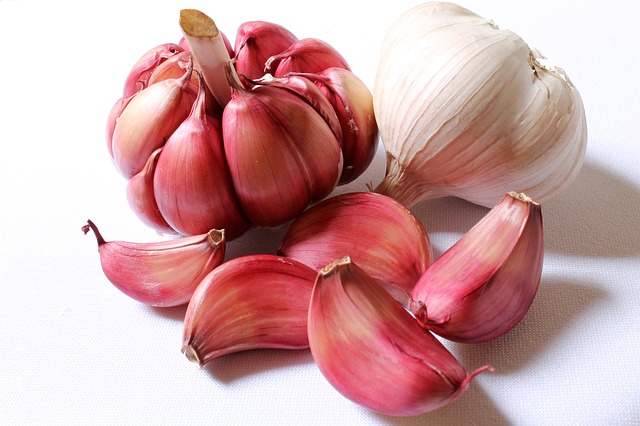
3. Garlic


6 Immune-Boosting Foods People Ate Before There Were Antibiotics

Image source: Pixabay.com


While you won’t win the most kissable prize, garlic has been used for centuries to fight off upper respiratory infections. Garlic improves the body’s immune system by allowing it to fight off those annoying viruses. Fresh garlic works better than supplements, so add garlic to everything and feel the burn!


Top 3 Herbs


By now almost everyone has heard of Echinacea and goldenrod, but what if you needed other choices? Check out these three little-known herbs that have been used for centuries to help support the immune system function.


1. Ginger


Try growing and storing ginger at home so that you always have access to this super anti-nausea and immune-supporting root. Ginger can help the body defend itself against opportunistic infection. Ginger is also super anti-inflammatory, which means faster healing when you do get sick.


2. Cat’s claw


This is the herb with the funny name, but there is no denying that cat’s claw has huge effects on the immune system. The root and bark are the parts most often used in tea form. They contain compounds that trigger the immune system and help to improve the ability of white blood cells to fight off pathogens. This herb is also a powerful anti-inflammatory, similar to ginger.


3. Astragalus


This herb has been used in Chinese medicine for untold centuries. Astragalus helps the immune system by increasing the immune cells in the bone marrow and lymph tissues. The root of Astragalus is commonly cooked in soups or stews to help soften it. You also can take this as a capsule.


What would you add to the list? Share your thoughts in the section below:


Harness The Power Of Nature’s Most Remarkable Healer: Vinegar