Showing posts with label immune. Show all posts

Monday, February 20, 2017

The Best Immune-Building Soup Recipe … Ever?

The Best Immune-Building Soup Recipe ... Ever?

Image source: Pixabay.com


Let’s face it: Sometimes it’s just too difficult to remember to eat all the right things. When cold or flu season hits, however, I like to make up a double batch of this immune-building soup. I make a  batch large enough for two or three suppers (or lunches), and then freeze the other half for later. There are lots of different ways to make immune-building soups, but this is my favorite recipe.


You will need:


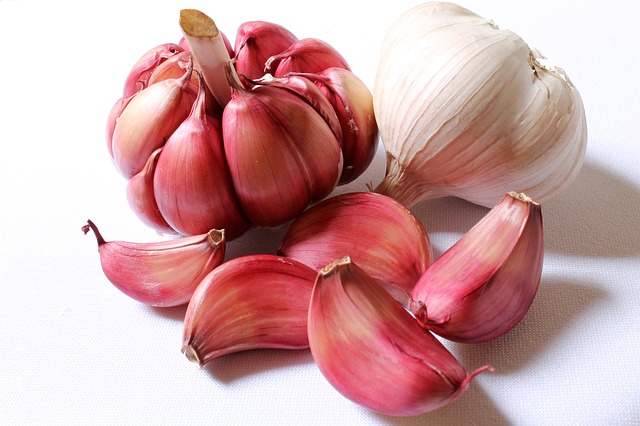
  • 10 average-sized garlic cloves

  • 4 medium-sized tomatoes

  • 2 cups vegetable or chicken broth

  • 1 cup tomato sauce

  • 1 tablespoon butter

  • 2 tablespoon olive oil

  • 2 small onions

  • ¼ teaspoon salt and pepper

  • 1 teaspoon dried thyme

  • ½ a teaspoon sugar

  • ¼ cup freshly minced parsley

This recipe serves six; adjust as needed.


  1. In a large soup pot, add 1 tablespoon of butter and 1 tablespoon of olive oil. Turn the heat on medium. Add 10 average-sized minced garlic cloves and two thinly sliced small onions. (Red, white, or yellow — your choice.) Sauté for about 15 to 20 minutes or until the onions are very soft.

  2. Chop about 4 medium-sized tomatoes and add them to the pot. Now add 2 cups of vegetable or chicken broth, 1 cup of tomato sauce, ¼ teaspoon of salt and pepper, about 1 teaspoon of dried thyme and ½ a teaspoon of sugar.

  3. Bring to a boil, and then reduce heat and simmer for 15 to 20 minutes. Stir in ¼ cup of freshly minced parsley (dried will do if you don’t have fresh on hand) and simmer for another 5 minutes. Serve hot.

I hope you enjoy this garlic/tomato immune boosting soup as much as my family does.


Do you have your own favorite recipe? Share it in the section below:


Learn How To Make Powerful Herbal Medicines, Right in Your Kitchen!

6 Immune-Boosting Foods People Ate Before There Were Antibiotics

6 Immune-Boosting Foods People Ate Before There Were Antibiotics

Image source: Pixabay.com


In the not-so-distant past, antibiotics and antibacterial wipes, lotions and hand sanitizers had not been invented, so one had to rely on your immune system and foods to fight off any type of virus or bacterial infection.


Too many of us take these important medicines for granted. My maternal grandfather nearly died from a simple cut on his hand. It became infected and soon involved his entire arm. The doctor tried his best, but was unable to stop the infection. The doctor finally asked my grandmother if she was willing to try an “experimental” — yes, he really called it that — drug called penicillin. Thankfully, my grandfather wasn’t allergic, and he was up and around in a few days.


What would we do, though, if we suddenly went back in time 100 years and were unable to find antibiotics, anti-virals, or other types of germ-fighting medicine? You got it! We would be back to relying on our immune system.


Beet Powder: The Ancient Secret To Renewed Energy And Stamina


Let’s take a look at six of the top immune-building foods and herbs.


Top 3 Food Sources


We want to provide the immune system with all of the vitamins, minerals and essentials that it needs to do its job properly.


1. Foods rich in iron


Too little iron can weaken the immune system. So eat foods that are rich in iron, such as meat, poultry, seafood, nuts, seeds, fish and dried fruits.


2. Foods rich in Vitamin C


Especially when combined with iron-rich foods which help the body absorb iron, vitamin C is a well-known immune system supporter! Think beyond the typical oranges and grapefruits; bell peppers have more vitamin C than an orange! You also can consume dark leafy greens, broccoli, berries, snap peas, and papaya alongside that morning glass of juice.


3. Garlic


6 Immune-Boosting Foods People Ate Before There Were Antibiotics

Image source: Pixabay.com


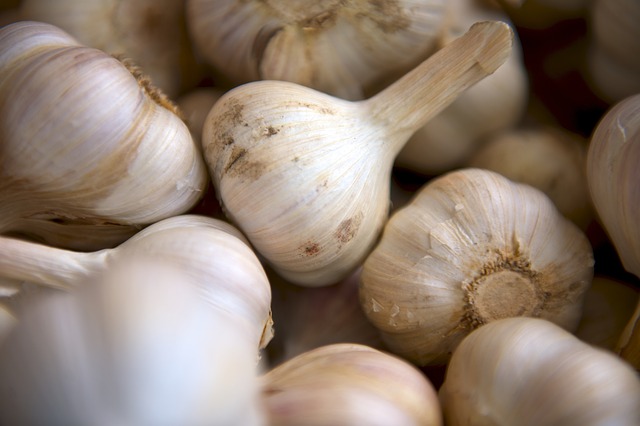
While you won’t win the most kissable prize, garlic has been used for centuries to fight off upper respiratory infections. Garlic improves the body’s immune system by allowing it to fight off those annoying viruses. Fresh garlic works better than supplements, so add garlic to everything and feel the burn!


Top 3 Herbs


By now almost everyone has heard of Echinacea and goldenrod, but what if you needed other choices? Check out these three little-known herbs that have been used for centuries to help support the immune system function.


1. Ginger


Try growing and storing ginger at home so that you always have access to this super anti-nausea and immune-supporting root. Ginger can help the body defend itself against opportunistic infection. Ginger is also super anti-inflammatory, which means faster healing when you do get sick.


2. Cat’s claw


This is the herb with the funny name, but there is no denying that cat’s claw has huge effects on the immune system. The root and bark are the parts most often used in tea form. They contain compounds that trigger the immune system and help to improve the ability of white blood cells to fight off pathogens. This herb is also a powerful anti-inflammatory, similar to ginger.


3. Astragalus


This herb has been used in Chinese medicine for untold centuries. Astragalus helps the immune system by increasing the immune cells in the bone marrow and lymph tissues. The root of Astragalus is commonly cooked in soups or stews to help soften it. You also can take this as a capsule.


What would you add to the list? Share your thoughts in the section below:


Harness The Power Of Nature’s Most Remarkable Healer: Vinegar

Monday, January 2, 2017

Immune-Boosting ‘Miracle Herbs’ Your Ancestors Used

Immune-Boosting ‘Miracle Herbs’ Your Ancestors Used

Artist: Harold Anderson


Before there were flu shots, vaccinations and antibiotics, our ancestors had no alternative other than to rely on herbs for healing, treatment and prevention.


This isn’t to say that herbs are ineffective, although modern medicine has pushed many of them to the wayside. The truth is that many modern medicines have their base in herbal compounds.


Unfortunately, much of the knowledge regarding herbs and how to use them has been forgotten by the general population. Ask anyone under the age of 50 if they know what plant or tree aspirin comes from, and chances are that they won’t know.


Learn How To Make Powerful Herbal Medicines, Right in Your Kitchen!


Here are five herbs our ancestors used – and perhaps you should, too.


1. Echinacea


Although you might have heard of a few studies supposedly refuting this herb’s effectiveness, there are far more positive studies than negative ones. The indigenous people of America used this herb to stay healthy. It is commonly taken in the form of a tea; the normal dose is two to three cups each day if you are ill, but one cup per day for “maintenance.” This beautiful flowering herb is easily grown just about anywhere. Dry the leaves and flowers for year-round use.


2. American ginseng


Don’t confuse this with Chinese ginseng. The scientific name of this plant is Panax quinquefolius, and modern research shows that this tonic herb not only supports a healthy immune system, but it can help to prevent upper respiratory infections, too.


3. Garlic


Immune-Boosting ‘Miracle Herbs’ Your Ancestors Used

Image source: Pixabay.com


This herb might not win you a “most kissable” award, but there is no denying that it has powerful healing- and immune-supporting compounds. Long before the discovery of antibiotics, garlic was the treatment of choice for internal infections and was used for everything from bronchitis to dysentery. Remember that garlic has to be cut or crushed to release its active ingredients. An old-fashioned cold remedy was to crush a large clove of garlic and mix it into a tablespoon of honey. This was consumed three or more times per day when a person was sick and once per day to keep the cooties away.


4. Astragalus


A member of the pea family, this herb has been found to improve the immune system by stimulating the body to make more immune cells in both lymph tissue and bone marrow. The leaves are used to make tea, and fresh roots are sliced into soups. This is another easy-to-grow plant that you might want to consider adding to your herb garden.


5. Oregano


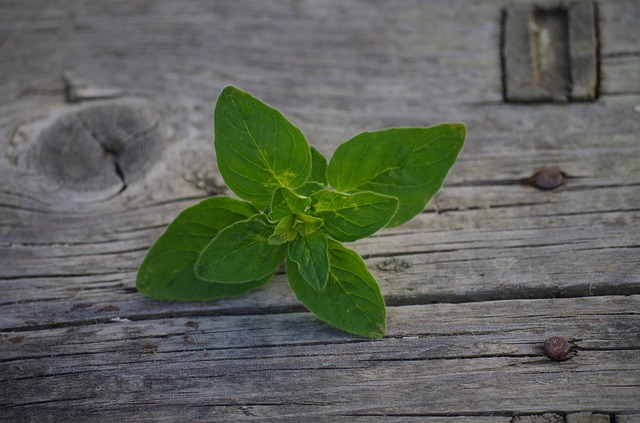
Your probably have some of this in your kitchen right now! Oregano is actually one of the most potent herbs for improving the immune system and can help the body boost its white blood cell count.


Immune-Boosting ‘Miracle Herbs’ Your Ancestors Used

Image source: Pixabay.com


If you enjoy the taste, you can make oregano tea. Of course, you can always make more Italian food and add oregano to just about anything you are cooking.


A very old cold and flu remedy was to make a tonic with sage, thyme and oregano in a pot of water and drink three or more cups per day.


While we are on the subject, let’s take a minute to discuss things that some people believe will work to cure or prevent infections or viruses … but won’t.


  • Cutting an onion and leaving it in a room to “absorb” viruses won’t do anything more than give you a pretty awful-smelling room.

  • Burning wormwood shavings or any other type of incense doesn’t work, either. It is thought that the smoke will remove viruses and bacteria from the air, and while it might smell pretty, smoke will only irritate the respiratory tract.

  • Once, when I was young and suffering from a cold, my grandmother had me soak my feet in hot water, then put on a pair of wet socks and wear them overnight. I’m not sure what the idea was behind this one, but trust me, it does not work. It only makes for a long and miserable night with no sleep!

Of course, there are other ways to boost your immune system. Exercise (but not to excess), regular sleep, a healthy diet that includes plenty of fruits and vegetables, and low stress are all vital components for proper immune system function.


What are your favorite herbs to boost the immune system? Share your suggestions in the section below:


hydrogen peroxide report