Showing posts with label echinacea. Show all posts

Sunday, November 12, 2017

Study: Echinacea As Effective As Tamiflu

Study: Echinacea As Effective As Tamiflu | Echinacea | Natural Medicine Special Interests


Study: Echinacea As Effective As Tamiflu | echinacea-flower | Natural Medicine Special Interests


Commonly used during the cold and flu season, echinacea has been used for years as a remedy for a cold or the flu. While it’s not a cure and conflicting evidence about its true value exists, recent research is showing that a simple echinacea preparation could be helpful much in the same way as Tamiflu. Could it help reduce reliance on over-the-counter medications?


New Research Shows Echinacea as Effective as Tamiflu


A new study published in the April 2015 edition of Current Therapeutic Research revealed that an herbal proprietary blend of concentrated echinacea root extract had a powerful effect on cold and flu. [1] Researchers compared the herbal extract to Tamiflu, a common over-the-counter medication used to combat the symptoms of the influenza virus. Close to 500 people exhibiting flu-like symptoms were involved in the study, each randomly receiving either the echinacea extract or oseltamivir (Tamiflu). Statistical analysis following administration of the two therapies showed no significant differences among groups, and that the herbal extract was equal in effectiveness to Tamiflu in reducing symptoms.


Efficacy is Not the Only Problem With Tamiflu


The main issue with Tamiflu, and most other store-bought medications, is that it has a higher risk factor compared with herbal approaches. Herbs are not without risk, but the risk-to-benefit ratio is considerably lower, for most healthy individuals, when you’re dealing with natural plant material in its pure form. That being said, herbal approaches have been shown consistently to be equal in effect to many conventional influenza and cold medications. [2][3] Side effects of Tamiflu include nausea, dizziness, insomnia, eye redness, and vomiting.


Natural Cold and Flu Approaches


One of the best ways to reduce the likelihood of developing a cold or the flu is to step outside in the sun. Ultraviolet light is a potent antiviral, and it’s also helpful for producing immune-bolstering vitamin D. [4] Studies also indicate that getting enough quality sleep is an important factor for reducing cold and flu incidence, as is stress reduction. [5][6] Increasing your intake of antioxidant-rich foods, like vegetables and small berries, also support immune health. Exercise is also a potent supporter for immune health that is often overlooked, so be sure you’re getting plenty of physical activity throughout the day, no matter the season.


References:


  1. Karel Raus, Dr, Stephan Pleschka (Prof), Peter Klein, MSc, Roland Schoop, MSc, Peter Fisher, Dr. Echinaforce Hotdrink versus Oseltamivir in Influenza: A randomized, double-blind, double dummy, ulticenter, non-inferiority clinical trial. Current Therapeutic Research. doi:10.1016/j.curtheres.2015.04.001.

  2. Rajesh Arora, R. Chawla, Rohit Marwah, et al. Potential of Complementary and Alternative Medicine in Preventive Management of Novel H1N1 Flu (Swin Flu) Pandemic: Thwarting Potential Disasters in the Bud. Evid Based Complement Alternat Med. 2011; 2011: 586506. doi: 10.1155/2011/5865506.

  3. M. Jawad, R. Schoop, A. Suter, P. Klein, and R. Eccles. Safety and Efficacy Profile of Echinacea purpurea to Prevent Common Cold Episodes: A Randomized, Double-Blind, Placebo-Controlled Trial. Evidenced-Based Complementary and Alternative Medicine. Volume 2012 (2012), Article ID 841315, 7 pages. doi: 10.1155/2012/841315.

  4. Amir Hashem Shahidi Bonjar. UV Phototherapy Has Positive Effect in Viral Treatments. International Journal of Applied Science and Technology. Vol. 2 No. 6; June 2012.

  5. Luciana Besedovsky, Tanja Lange, and Jan Born. Sleep and immune function. Pflugers Arch. 2012 Jan; 463(1): 121-137. doi: 10.1007/s00424-011-1044-0.

  6. Infante JR, Peran F, Rayo JI. Levels of immune cells in transcendental meditation practitioners. Int J Yoga. 2014 Jul;7(2):147-51. doi: 10.4103/0973-6131.133899.

The post Study: Echinacea As Effective As Tamiflu appeared first on The Sleuth Journal.

Sunday, May 7, 2017

10 Impressive Echinacea Benefits to Support Your Health

10 Impressive Echinacea Benefits to Support Your Health | Echinacea-flowers | Natural Medicine Sleuth Journal Special Interests


Echinacea is a powerful and beneficial herb used by people around the world to maintain good health. Every part of the plant, from the roots to the flower petals, is bursting with vital nutrients. With a reputation as a natural cold remedy, many people enjoy echinacea in one form or another, whether as a tea, a supplement, or even the raw plant. Here, we’ll look at ten impressive ways echinacea can support your health.


What Is Echinacea?


A flowering plant native to North America, echinacea has dotted the American landscape in one form or another for hundreds of years. Initially prized by the Native American Sioux Indians as a remedy for snakebites, colic, and infections, it went on to become a wellness staple until the advent of antibiotics. Today, echinacea remains one of America’s most beloved and widely used herbs. Natural cold remedies, cough drops, and organic supplements all cite echinacea as a key ingredient.[1]


Like other herbs, the health benefits of echinacea are owed to its diverse makeup of nutrients, which includes polysaccharides, alkylamides, flavonoids, polyphenols, vitamin C, selenium, and zinc.[2]


10 Health Benefits of Echinacea


Americans spend millions of dollars on echinacea supplements every year to support their health. With a long history of therapeutic use, there is a treasure trove of research to support its popularity.


1. Boosts the Immune System


Echinacea can have a powerful impact on the immune system; over 14 clinical trials have confirmed its ability to encourage good health all year long.[3, 4] Other studies show echinacea to be among the most effective supplements for seasonal wellness.[5]


2. Reduces Redness and Swelling


Systemic swelling, redness, and discomfort in the body can have multiple sources, including an unhealthy diet or strenuous exercise.[6] Consuming echinacea or applying skin care products that contain echinacea essential oil can help reduce and alleviate tissue irritation.[7, 8]


3. Promotes the Health of Cells


Consuming echinacea promotes the health of protective cells in your body. Many of the compounds in echinacea support immune cells and encourage healthy cell growth.[9, 10]


4. Facilitates Oxygen Transport


Echinacea may improve oxygen levels in the blood. Echinacea increases erythropoietin production in the bone marrow, this, in turn, promotes red blood cell production and increases the capacity of the blood to transport oxygen.[11]


5. Supports Oral Health


Echinacea has been evaluated in combination with other herbs like sage and lavender and found to reduce bad breath. It’s believed this effect is partly due to echinacea’s ability to neutralized the harmful organisms that cause bad breath.[12]


6. Alleviates Physical Discomfort


Native Americans used echinacea to reduce aches and pains. Today, research has shown its potential for promoting comfort following surgery.[13]


7. Encourages Normal Skin Health


Echinacea supports a normal complexion by helping to discourage blemishes and irritation.[14] Other studies found that it helps hydrate the skin and reduce the appearance of wrinkles.[15]


8. Promotes Upper Respiratory Health


Echinacea is among the best herbs for supporting upper respiratory health, even in children.[16] One double-blind placebo-controlled study found that air travel passengers who took echinacea tablets before and during a flight experienced fewer respiratory issues.[17]


9. Provides Antioxidants


Echinacea is a source of antioxidants like vitamin C, beta-carotene, flavonoids, selenium, and zinc. One study found that a particular echinacea tincture had more antioxidant activity than Gingko biloba.[18]


10. Supports Normal Aging


Although human research is necessary for confirmation, the results of animal studies suggest that echinacea could offer anti-aging potential. In one study, supplemental echinacea was attributed to helping extend the lifespan of aging mice.[19]


Using Echinacea


Echinacea supplements are available in many forms. If you have access to the plant itself, you can make a pure, organic tea which doubles as an incredible home remedy for the flu.


Echinacea Tea


Below is an easy recipe for echinacea tea. Make sure only to use organic or wildcrafted echinacea that’s free of pesticides. For flavor, you can add natural sweeteners like honey, but I prefer it plain.


  1. Heat 8-16 ounces of distilled or filtered water over medium to high heat.

  2. Add a mixture of flowers, roots, and leaves.

  3. Cover with a lid, reduce the heat, and simmer for about 15 minutes.

  4. Strain and enjoy hot or cold!

Side Effects and Precautions


Echinacea is generally considered safe, however, people who are sensitive to pollen should exercise caution. Echinacea comes from the same family of plants as daisies, marigolds, and ragweed. Some common side effects include dizziness, dry mouth, and mild nausea. While it is a favorite herb taken by many women, more research is needed to determine its safety for expectant or breastfeeding mothers. Before you try echinacea yourself, consult with your trusted health care provider.[20]


Echinacea and Your Health


Have you tried echinacea? What was your experience? Leave a comment below and share your insight with us.


References (20)
  1. Braun, Lesley, and Marc Cohen. “Herbs and natural supplements: an evidence-based guide.” Edinburgh: Churchill Livingstone, 2015. Print.

  2. Miller, Sandra C. “Echinacea: A Miracle Herb against Aging and Cancer? Evidence In Vivo in Mice.” Evidence-based Complementary and Alternative Medicine 2.3 (2005): 309–314.

  3. Ross SM. “Echinacea purpurea: A Proprietary Extract of Echinacea purpurea Is Shown to be Safe and Effective in the Prevention of the Common Cold.” Holist Nurs Pract. (2016): :54-57.

  4. UConn News. “Echinacea Could Cut Chances of Catching Common Cold By More Than Half.” June 26, 2007.

  5. Rauš K, Pleschka S, Klein P, Schoop R, Fisher P. “Effect of an Echinacea-Based Hot Drink Versus Oseltamivir in Influenza Treatment: A Randomized, Double-Blind, Double-Dummy, Multicenter, Noninferiority Clinical Trial.” Curr Ther Res Clin Exp. (2015): 66-72.

  6. Zhang, Jun-Ming, and Jianxiong An. “Cytokines, Inflammation and Pain.” International anesthesiology clinics 45.2 (2007): 27–37.

  7. Sharma M, Schoop R, Hudson JB. “Echinacea as an antiinflammatory agent: the influence of physiologically relevant parameters.” Phytother Res. (2009): 863-867.

  8. Yu D, Yuan Y, Jiang L, et al. “Anti-inflammatory effects of essential oil in Echinacea purpurea.” L. Pak J Pharm Sci. (2013): 403-408.

  9. Li Y, Wang Y, Wu Y, et al. “Echinacea pupurea extracts promote murine dendritic cell maturation by activation of JNK, p38 MAPK and NF-κB pathways.” Dev Comp Immunol. (2017): 21-26.

  10. Zhai, Zili et al. “Echinacea Increases Arginase Activity and Has Anti-Inflammatory Properties in RAW 264.7 Macrophage Cells Indicative of Alternative Macrophage Activation.” Journal of ethnopharmacology 122.1 (2009): 76–85.

  11. Whitehead, Malcolm T. “The Use of Echinacea to Improve Oxygen Transport Capacity.” Journal of Yoga & Physical Therapy 01.02 (2011).

  12. Sterer N, Nuas S, Mizrahi B, et al. “Oral malodor reduction by a palatal mucoadhesive tablet containing herbal formulation.” J Dent. (2008): 535-539.

  13. Rondanelli M, Riva A, Morazzoni P, et al. “The effect and safety of highly standardized Ginger (Zingiber officinale) and Echinacea (Echinacea angustifolia) extract supplementation on inflammation and chronic pain in NSAIDs poor responders. A pilot study in subjects with knee arthrosis.” Nat Prod Res. (2017):1309-1313.

  14. Sharma M, Schoop R, Suter A, Hudson JB. “The potential use of Echinacea in acne: control of Propionibacterium acnes growth and inflammation.” Phytother Res. (2011): 517-521.

  15. Yotsawimonwat S, Rattanadechsakul J, Rattanadechsakul P, Okonogi S. “Skin improvement and stability of Echinacea purpurea dermatological formulations.” Int J Cosmet Sci. (2010): 340-346.

  16. Weber W, Taylor JA, Stoep AV, Weiss NS, Standish LJ, Calabrese C. “Echinacea purpurea for prevention of upper respiratory tract infections in children.” J Altern Complement Med. (2005):1021-1026.

  17. Tiralongo E, Lea RA, Wee SS, Hanna MM, Griffiths LR. “Randomised, double-blind, placebo-controlled trial of echinacea supplementation in air travelers.” Evid Based Complement Alternat Med. (2012).

  18. Masteikova R, Muselik J, Bernatoniene J, Bernatoniene R. “Antioxidative activity of Ginkgo, Echinacea, and Ginseng tinctures.” Medicina (Kaunas). (2007): 306-309.

  19. Miller, Sandra C. “Echinacea: A Miracle Herb against Aging and Cancer? Evidence In Vivo in Mice.” Evidence-based Complementary and Alternative Medicine 2.3 (2005): 309–314.

  20. “Echinacea (Echinacea angustifolia, Echinacea pallida, Echinacea purpurea).” Mayo Clinic. N.p., n.d. Web. 06 Apr. 2017.

Monday, January 2, 2017

Immune-Boosting ‘Miracle Herbs’ Your Ancestors Used

Immune-Boosting ‘Miracle Herbs’ Your Ancestors Used

Artist: Harold Anderson


Before there were flu shots, vaccinations and antibiotics, our ancestors had no alternative other than to rely on herbs for healing, treatment and prevention.


This isn’t to say that herbs are ineffective, although modern medicine has pushed many of them to the wayside. The truth is that many modern medicines have their base in herbal compounds.


Unfortunately, much of the knowledge regarding herbs and how to use them has been forgotten by the general population. Ask anyone under the age of 50 if they know what plant or tree aspirin comes from, and chances are that they won’t know.


Learn How To Make Powerful Herbal Medicines, Right in Your Kitchen!


Here are five herbs our ancestors used – and perhaps you should, too.


1. Echinacea


Although you might have heard of a few studies supposedly refuting this herb’s effectiveness, there are far more positive studies than negative ones. The indigenous people of America used this herb to stay healthy. It is commonly taken in the form of a tea; the normal dose is two to three cups each day if you are ill, but one cup per day for “maintenance.” This beautiful flowering herb is easily grown just about anywhere. Dry the leaves and flowers for year-round use.


2. American ginseng


Don’t confuse this with Chinese ginseng. The scientific name of this plant is Panax quinquefolius, and modern research shows that this tonic herb not only supports a healthy immune system, but it can help to prevent upper respiratory infections, too.


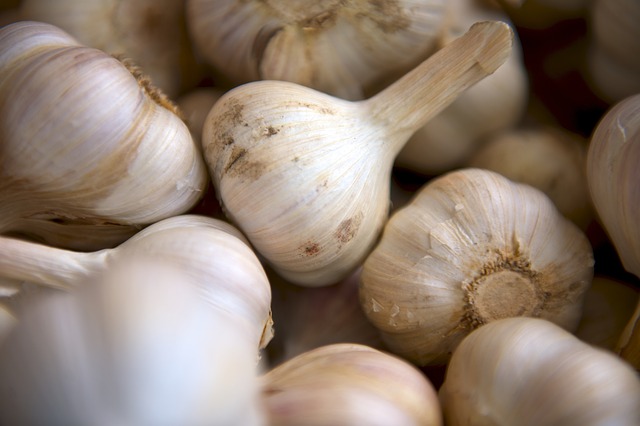
3. Garlic


Immune-Boosting ‘Miracle Herbs’ Your Ancestors Used

Image source: Pixabay.com


This herb might not win you a “most kissable” award, but there is no denying that it has powerful healing- and immune-supporting compounds. Long before the discovery of antibiotics, garlic was the treatment of choice for internal infections and was used for everything from bronchitis to dysentery. Remember that garlic has to be cut or crushed to release its active ingredients. An old-fashioned cold remedy was to crush a large clove of garlic and mix it into a tablespoon of honey. This was consumed three or more times per day when a person was sick and once per day to keep the cooties away.


4. Astragalus


A member of the pea family, this herb has been found to improve the immune system by stimulating the body to make more immune cells in both lymph tissue and bone marrow. The leaves are used to make tea, and fresh roots are sliced into soups. This is another easy-to-grow plant that you might want to consider adding to your herb garden.


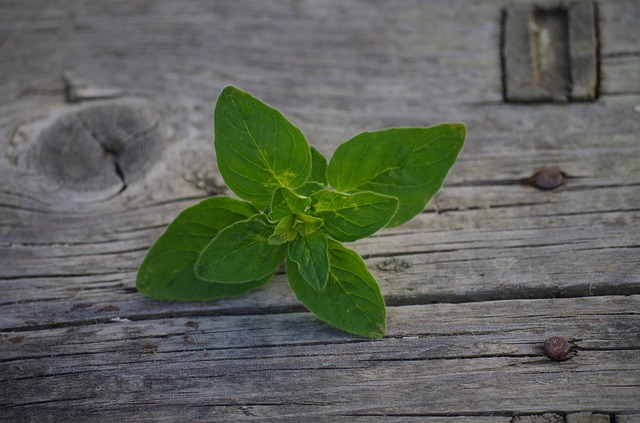
5. Oregano


Your probably have some of this in your kitchen right now! Oregano is actually one of the most potent herbs for improving the immune system and can help the body boost its white blood cell count.


Immune-Boosting ‘Miracle Herbs’ Your Ancestors Used

Image source: Pixabay.com


If you enjoy the taste, you can make oregano tea. Of course, you can always make more Italian food and add oregano to just about anything you are cooking.


A very old cold and flu remedy was to make a tonic with sage, thyme and oregano in a pot of water and drink three or more cups per day.


While we are on the subject, let’s take a minute to discuss things that some people believe will work to cure or prevent infections or viruses … but won’t.


  • Cutting an onion and leaving it in a room to “absorb” viruses won’t do anything more than give you a pretty awful-smelling room.

  • Burning wormwood shavings or any other type of incense doesn’t work, either. It is thought that the smoke will remove viruses and bacteria from the air, and while it might smell pretty, smoke will only irritate the respiratory tract.

  • Once, when I was young and suffering from a cold, my grandmother had me soak my feet in hot water, then put on a pair of wet socks and wear them overnight. I’m not sure what the idea was behind this one, but trust me, it does not work. It only makes for a long and miserable night with no sleep!

Of course, there are other ways to boost your immune system. Exercise (but not to excess), regular sleep, a healthy diet that includes plenty of fruits and vegetables, and low stress are all vital components for proper immune system function.


What are your favorite herbs to boost the immune system? Share your suggestions in the section below:


hydrogen peroxide report

Thursday, December 29, 2016

How I Healed An Open Wound Without Stitches

How I Healed An Open Wound Without Stitches

Image source: Pixabay.com


While working on my master herbalist degree, my German shepherd mixed breed dog named Ginger ended up with a tumor on her leg. The tumor grew to the size of an orange and was located in the middle of her leg, on the side. An x-ray showed that the tumor was not connected to the bone — a good sign because it had not invaded the bone tissue. It was localized.


I instructed a friend to “rope off the tumor” with a rubber band, tightening the band every day while I was gone on a business trip. She did, and this starved the tumor. When I returned, the tumor looked lifeless and was essentially hanging by a band of tissue.  Ginger then bit it off.


Now I was faced with an open wound. It was large — the entire surface area of an orange. Veterinarians would say that a skin graft was needed to cover the entire area.


I made up an herbal formula with anti-infection herbs and herbs that helped regrow and restore tissue. The herbs I used included cat’s claw, Echinacea, goldenseal, slippery elm and comfrey. The formula was mixed with a little water and then added directly to the wound. After seeing some pus, I changed the strategy to adding the herbs in Ginger’s food and she gladly gobbled them up three times daily.


Learn How To Make Powerful Herbal Medicines, Right in Your Kitchen!


Every two days, there was a visible closing of the wound circumferentially by about one-fourth an inch. Ginger’s body was healing itself, and the herbs were stimulating the healing, just as they were meant to do.


How I Healed An Open Wound Without Stitches

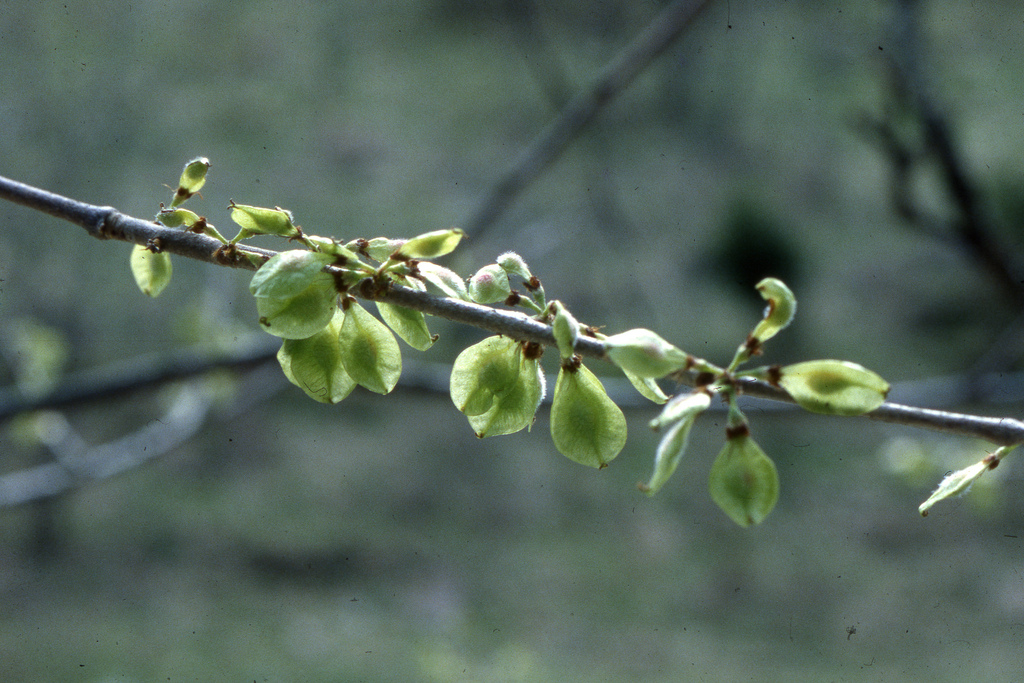
Slipper elm tree. Photo by Milo Pyne / Flickr / Creative Commons / https://creativecommons.org/licenses/by/2.0/


The wound finally healed up completely, knitting itself perfectly without any stitches. All the hair grew back, as well, and there was no sign of ever being any type of trauma. Ginger had complete feeling in the area where the wound had been, and she lived another four years, dying at the age of 16.


Which Two Herbs Regenerate Tissue?


The two herbs that help regenerate the skin and tissues are slippery elm and comfrey. In herbal school, our teacher, Dr. Christopher, told stories of how he used these herbs. One slippery elm story was of a little girl who suffered from a completely shattered pelvis.


The girl could not move because of excruciating pain, and back in the 1950s, the roads in Utah were not as well-established as they are now. Many of them were made of rock and gravel and would have caused a lot of jarring to a broken bone. Fractured bones are very susceptible to vibration and the little girl would have suffered a lot of pain during the trip both to and from the hospital. Thus, the family called Dr. Christopher to come out for a house call.


He mixed slippery elm with a little water to make a paste and packed it into the wound after cleaning it; he then covered it. Then the family was instructed to continue packing the moistened herb into the area every day. The body used the nutrients in the slippery elm to rebuild the entire pelvis. It mended perfectly and when the little girl was x-rayed, there was no sign of any fracture at all.


Slippery elm is an herb that is always used by herbalists to provide abundant nutrients and phytonutrients and help reconstruct tissue. Comfrey may be used topically.


Wounds heal when the body has all the right nutrients at the time of the wound. My story of Ginger is a paradigm change for a lot of people. We’ve all been taught that stitches are essential to heal up gaping wounds, and in some cases skin grafts are critical. During a disaster or survival situation, though, stitches and skin grafts may not be accessible. Now you have an alternative way to heal wounds.


*This article is for informational purposes only and is not intended to diagnose or cure any particular health condition. Please first consult with a qualified health professional.


Have you ever tried healing a wound without stitches? Share your tips in the section below:


hydrogen peroxide report