Showing posts with label grandmother. Show all posts

Monday, May 7, 2018

70-Year-Old Grandmother Shoots Intruder: ‘Kill Him Before He Kills Me!’


A 70-year-old grandmother took her safety upon herself and shot an intruder when he broke into her Philadelphia home. Maxine Thompson said the only thing going through her mind was self-preservation: “Kill him before he kills me.”


The entire incident began as Thompson slept in her home. She was awoken at 4:30 am to the sound of someone breaking into her house. “First I thought I was dreaming, and then I looked out the window, outside. I was still hearing the banging, banging, banging, so I yelled to whoever, ‘Who’s that on my door? Get off my door, get off my door,’” Thompson recalled.


Police confirmed Thompson’s recollection, as Fox News reported that a 43-year-old man did try to force his way into her house at that time.


Despite her verbal warnings, the alleged burglar didn’t stop and continued to smash her dining room window and enter her house. Thompson, going into survival mode, grabbed her late mother’s handgun and shot at the suspect. She told Fox 29 it was her first time using the gun. “I shot at him. He turned around and he ran and when he ran, I ran down the steps behind him and shot at him some more,” Thompson recalled. “Kill him before he kills me. That’s what was going through my mind.”


The alleged burglar was struck while Thompson fired at him several times. He ran to a nearby car wash and called the police to report he’d been shot, Fox 29 reported. He was arrested, taken to the hospital and treated for a gunshot wound to his upper arm.


Thompson, whose son is a Philadelphia police officer, said the incident played out within 10 minutes. She recalled how the suspect could have killed her if she didn’t fire the gun.


“After everything was over, then I did get a little shaky. He could’ve killed me,” the grandmother said. Thompson just hopes the intruder will think twice before attempting to violate other’s rights saying she hopes she taught him and other people a lesson. “Stay the hell out of people’s houses,” Thompson said.


As for her broken window, she replied: “I have people that will come and fix this. It’ll be fixed in no time.”

Friday, February 23, 2018

Police Release Body Cam, Showing Officers Brutally Assault 84yo Grandmother

grandmother

Mesa police have released body cam footage showing their officers slam an 84-year-old grandmother to the ground. They deliberately blurred the entire video, however, their abuse is clearly visible.


The post Police Release Body Cam, Showing Officers Brutally Assault 84yo Grandmother appeared first on The Free Thought Project.

Saturday, February 17, 2018

Thursday, November 16, 2017

8 Frugal And Forgotten Ways Your Great-Grandparents Made It Through Hard Times

8 Frugal And Forgotten Ways Your Great-Grandparents Saved Money


As I’ve grown older, I’ve noticed that life has gotten more expensive. I’m not talking about the almost-natural increase of inflation; that’s to be expected. No, what I’m talking about is the way that lifestyle choices make things more expensive. Things that are considered the “norm” today were considered luxury 20 years ago.


This has been brought home to me in a number of ways, mostly through my own, now grown, children. When my youngest graduated from college, she came home and bought a car a few months later. Now, that’s not unusual in and of itself, but she bought a Buick. When I was her age, we saw a Buick as being a rich man’s car, not one for someone working a low-paying job just out of college. Yet, that’s what she had to have, in order to get the luxury options that she wanted.


This same theme repeats itself over and over in everyday life. We carry around $600 cell phones as if they were nothing; and if it drops, breaking the screen, that’s OK. We wanted a new one anyway. We eat at fancier restaurants, and even fast food joints carry more elaborate selections than they once did.


I remember Dairy Queen being a treat, but today, it has to be one of the fancy frozen yogurt places. Everyone has big screen televisions and you have to have either satellite or cable to get the selection of programming you want. Yes, life has definitely gotten more expensive.


We’re so busy spending money on things that have become the norm in our society, not even realizing that we don’t need those things., or that we could get by just fine with much less. I mean, does anyone really need a $7 cup of coffee that much more than a dollar one?


New Solar Generators Deliver 4 Times More Power Than Previous Models!


My parents’ generation couldn’t even think of paying for many of the things we think are normal today; for that matter, the younger version of me couldn’t. But as we go back in time, we find that our grandparents and great-grandparents were even more frugal. Why? Because they had to be. They didn’t have the disposable income that we have today and what income they did have, they didn’t consider disposable.


8 Frugal And Forgotten Ways Your Great-Grandparents Made It Through Hard TimesWe could learn a lot from our grandparents and great-grandparents; especially in how to live frugally and make our money go farther. Then, we might have more money to spend on the things that really matter, like giving our families some security.


Here’s how they saved money and made it through hard times:


1. Do you really need it?


Let me finish ranting about all the expensive stuff we buy today. The real question is; do you really need it? Do you need that $5 cup of coffee or will you be just as satisfied with the $1 one at the convenience store? Shoot, my convenience store even throws in the fancy, flavored creams, so you can have flavored coffee for a buck or a buck and a half.


It’s fun and special to go out someplace expensive or to eat fancy ice cream. I enjoy it just as much as anyone. But, I leave it to be something special. Rather than buying all of my ice cream from Marble Slab, I buy it at the grocery store. If I want it fancy, I throw some fruit, nuts and chocolate syrup on it at home. Then, I can save the trip to the fancy ice cream store for special times, making the trip special, rather than making the special ordinary.


2. Don’t be in a rush to replace it


Henry Ford’s Model T was probably one of the most boring cars in history. Compared to its contemporaries, it had little to attract attention to it … except for one all-important feature: the price. You could buy a Model T much cheaper than any other car out there.


But the T lacked in some things that might attract buyers today. There weren’t a long list of “standard options” that you could order. For that matter, there weren’t any options. When you bought a T, that’s what you got. If you wanted something different, you had to do it yourself. You could have any color you wanted, as long as it was black.


As cars became more commonplace, the automotive industry realized that they were going to have to do something to keep people buying their new cars. So, they came up with the idea of model years. Now, you can buy the exact same car, with a few insignificant but highly visible details that are different, and you’ll have the latest and greatest. You could snub all of your neighbors and friends who didn’t have the current model, like you do.


This is actually one of the greatest marketing victories in history. In fact, it’s been so great that everyone else is copying it. Everything from can openers to rocket ships now has model year changes. Electronics are the worst. Why do they do this? To entice you to buy the new model. That way, they get more of your money.


Let me ask you something. Does your old cell phone work? If it does, why would you need to replace it? I keep my cell phones for an average of seven years and then finally replace them when they break. But most of the people I know replace theirs every year or two. They just can’t wait to get the new model, with all the new whistles and bells.


Get Out Of The Rat-Race And Make Money Off-Grid!


Break the habit of replacing things so quickly and you’ll find that you have more money. It’s amazing how that works.Think twice, buy once


3. Think twice, buy once


Impulse buying is another way that marketers have found to separate us from our hard-earned wages. If they can get us to buy it on the spur of the moment, we’ll probably buy it. But if we decide to think about it overnight, chances are that we’ll decide we don’t need it.


This is what our grandparents did, but it’s gotten lost in time somehow. I remember my parents telling me to always wait a day before making a major purchase. But you don’t see many people talking about that today. In our instant society, we want it now and we’re going to get it now, even if that ultimately hurts us. Let’s just say, that’s not the smartest thing we can do.


8 Frugal And Forgotten Ways Your Great-Grandparents Made It Through Hard TimesIf anything, the Internet has made this worse. I’ve been offered countless items on Facebook, which I just looked at on somebody’s website, especially Amazon. They want to make sure I buy it, before I lose my desire for the item. If they can get me to do that, they win and get my money. It’s not about good customer service; it’s about getting you and me to buy.


Taking your time to make buying decisions is one of the easiest ways there is to save money. Not only that, but your home won’t be filled up with stuff that you don’t use. You’ll actually have things that you want to have, instead of things that someone else wants you to have.Reuse, repurpose, recycle


4. Reuse, repurpose, recycle


Our grandparents and especially our great-grandparents were experts on reusing and repurposing things. They rarely threw anything away. Anything they had, including the packaging from things they bought, was reused for something else.


I can still remember my grandmother’s kitchen with its stacks of plastic storage containers. Only … those containers weren’t made by Rubbermaid or Tupperware; they were old margarine and Dream Whip containers. She’d clean them out and use them to store food in the refrigerator or any number of other things.


Back in the pioneering days, everything got reused. Burlap bags became towels (even though they are a bit scratchy), old clothes were either remade into clothes for children, cutting out the good parts of the fabric, or turned into rags. Barrels and casks were used for anything from storing grain for the horses to water tanks. If it would hold something, they’d find a way to use it.


We still see this in Third World and emerging countries. I’ve bought containers of candy to give to kids in Mexico, and had their mothers ask me for the container, once I passed out the candy. To them, that empty container was just as valuable as the candy that their children had eaten.


5. How much do you really need?


Here’s another subtle marketing trick that our grandparents didn’t fall for. Have you ever noticed how much of a product is typically used on a television commercial?


Take toothpaste, for example. There’s always a point in the commercial where they squeeze out the toothpaste onto a toothbrush. It’s a nice long line, covering the whole top of the brush, with a nice curl on the end. So, when we go to brush our teeth, we do the same. We don’t realize it, but we’ve unconsciously gotten the message that we need that much toothpaste.


Plant A Full Acre Of Food With This Emergency Seed Bank!


But how much do you really need? Can you get by with half of that and still get your teeth clean? I won’t tell you if you can, because I’m not a dentist. But I will tell you this; I do.


We use countless products every day, without thinking about how much of that product we really need. That ultimately causes us to use more of the product and sends more of our money into those companies’ coffers. Why not figure out the least you need and use that?


6. Be willing to wait


Another result of our instant society is that we expect everything now. We can’t even wait one minute, once we decide that we want it. After all, why should we wait? We’ll just charge it.


I think my grandparents would have fainted at the idea of buying things on credit, especially my mom’s parents. Back then, if you wanted something, you saved your money until you could afford it. If that meant you had to save for years, you did it. If that item was really that important to you, you’d make that sacrifice and save. You’d also be willing to wait.


Do you have any idea how much of an interest rate your credit card company charges you? If you’re like most people, you don’t. Credit card debt is one of the most crippling things for a family’s finances.


Believe it or not, there are actually forms of debt that are worse than credit cards. Those payday loan places where you can borrow $1,500 for six months are murder. Their interest rate is so high, they don’t even tell you. That’s not a problem, as the only number most people want to hear is the monthly payment. Hock shops are worse, but that’s because it is short-term, high-risk loans.


7. Do it yourself


We don’t even have to go back to our grandparents for this one, although I’m old enough to qualify as a grandpa. When I grew up, a man taught his son how to do things for himself. Therefore, the average boy would grow up learning how to change their car’s oil, do common mechanic’s work, be a fairly good carpenter, know a bit about plumbing and maybe even know how to shoe a horse (if they lived in horse country).


This training for self-reliance has somehow gone by the wayside. When I look at my children’s generation, so many of them don’t know how to change the oil on their own car, let alone swap out a bad alternator. The average person’s understanding of plumbing is to look down the drain and say, “Looks like it’s time to call the plumber.” Somehow those skills haven’t been passed on.


8 Frugal And Forgotten Ways Your Great-Grandparents Made It Through Hard TimesPaying someone else to do everything is expensive. They need to eat, too, so you’re covering their life expenses. Don’t get me wrong; that’s fair. If someone works for you, you should pay them, and pay them well. But let them work for someone else and learn how to do it yourself.


Through the years, I’ve amassed quite a collection of tools. Over half my garage is actually my workshop and I use the other half when I’m building large projects. But even with all the thousands of dollars I’ve spent on tools, they’ve saved me more than what they cost me. Buying tools becomes part of every project; and as I buy them, I guarantee myself savings in the future.


8. Repair it, don’t throw it away


Speaking of those tools, they also help with repairing things, rather than throwing them away. We’ve become a disposable society, but as I mentioned earlier, our grandparents weren’t that way. They would fix things and keep on using them as long as possible, not throwing them away.


This is another marketing ploy, which is taking money out of our pockets. By making things hard to repair and parts hard to find, manufacturers ensure that we’ll throw things away, rather than repairing them. But that old vacuum is really just as good as a new one, if you can find a new switch and put it in.


I get annoyed about this, especially when I’m trying to find parts for things that I own, which have broken down. Few manufacturers still offer replacement parts, except for things that are considered maintenance items. But if they can use the part in the factory, I can’t see why they can’t package some of them for sale as replacements. That’s usually one of the most profitable parts of any manufacturing business.


Fortunately for me, I’ve got an engineering background. So, I’m pretty good at repairing. If I can’t find the right switch for my belt sander, I’ll find one that will work (I did this). It may not be as pretty, but I’ll save myself a bunch of money.


By the way, don’t use the fact that you’re not an engineer as an excuse to not try and fix something. I’m a self-taught engineer, even though I worked at it professionally for 15 years. If I can teach myself, you can, too. After all, I didn’t have YouTube or the rest of the Internet to help me.


What frugal, money-saving tips would you add to this list? Share your ideas in the section below:


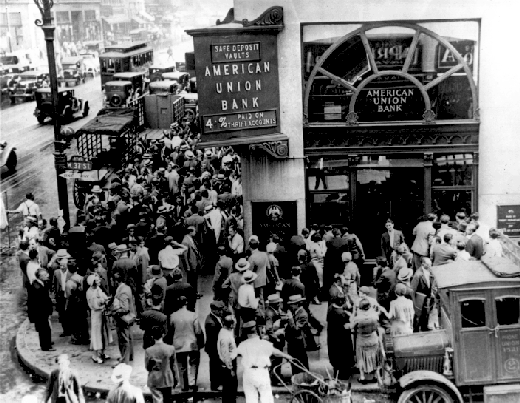
More Than 90 Percent Of Customers Won’t Get Their Money When There’s A “Run On The Banks.” Read More Here.

Wednesday, September 6, 2017

3 Things Your Grandmother Got Wrong About Canning

Here’s What Your Grandmother Got Wrong About Canning

Image source: Pinterest


There are a lot of misconceptions out there about canning safety. As is true with many topics, information found on the Internet supports a wide variety of truths and opinions, and it can be hard to differentiate between them.


Canning safety is a big deal. Doing it right is what comes between eating home-preserved food with confidence and risking upset stomachs, spoiled and wasted food, serious illness, or in very rare cases even death.


Before I explain which techniques are considered safe according to modern-day science and which are not, let me address the inevitable questions.  I hear them at every workshop I conduct and see it in every comment thread on forum discussions and social media.


“My grandmother used wax on her jams and all us kids grew up eating them.”


“The ladies at church just flip the hot chow-chow jars upside down and call it good.”


“My mother never owned a pressure canner and we all ate her canned beans and beef just fine.”


“We eat canned cake at camp every summer… and nobody ever died.”


New ‘Miracle Oil Maker’ Lets You Make Fresh Nut Oils Within Minutes!


And my answer is always the same. Sure. Each one of us knew of someone consuming food canned by what is considered today to be unsafe practices, and many of us did it ourselves. And we did indeed all live to tell the tale.


But why take the risk? People survived automobile travel before seat belts came along, but most of us wear them nowadays. Communities have thrived for centuries without modern-day sanitation and plumbing, but most of us today consider running water and flush toilets to be good things. Mammograms, steel-toed work boots, prenatal ultrasounds, child safety locks—all things people lived without, until the advantages of using them became clear.


You can take the chance of doing it the old-fashioned way if you want to, but know that it is a risk. No home-canning method is guaranteed 100 percent bulletproof, but using techniques tested and approved by science and research are the best ways to minimize potential problems.


There are three main points I would like to highlight – three things our grandmothers often didn’t do when canning. First, processing in a canner is necessary for every canned product. No shortcuts, no alternatives. And second, using a pressure canner is essential for all low-acid foods. Third, all recipes are not created equal. Read on for details.


1. Processing is crucial.


Old-fashioned methods and trendy hacks are not good choices. Topping preserves with hot wax allows potential harmful bacteria and molds to seep in. Even after mold is scraped off the top—like our grandmothers used to do when we were not looking—it has been determined by recent science that there could well be lingering pathogens below the visible mold. The safe bet is to just pop them into the hot water bath canner for a short process time instead.


So-called “oven canning” and “open-kettle canning,” along with creative ways to can foods in the dishwasher and microwave, have not been tested to be safe and are not recommended. Food processed in this way does not always kill potential contaminants which may spoil food and make you sick.


Neither is it safe to simply invert the jars when hot and allow the product to seal itself—it might appear to seal nicely at the time, but is apt to unseal and reseal itself as the storage temperature fluctuates between now and the time you eat it.


Process, process, process—in a canner. There is no shortcut that is worth the risk.


2. Process all low-acid foods using a pressure canner.


Here is why:


3 Things Your Grandmother Got Wrong About Canning

Image source: Pixabay.com


Hot water bath canners heat water to 212 degrees Fahrenheit. That is as hot as they can get. Pressure canners, by design, heat water to 240 degrees. The reason heat is an issue is because of rare but naturally occurring spores of the microorganism C. botulinum. When given exactly the right conditions—low acid and anaerobic—they can develop into botulism, which can be deadly. When canning low-acid foods, care must be taken to kill the spores before the product goes into the anaerobic jars, and 212 degrees is not sufficient to do so. It is imperative to use the higher-heat pressure canner to destroy any possible C. botulinum spores present.


Some folks insist that by canning them longer, all foods can be safely canned using a hot water bath canner. This is not true. Boiling water will never reach the temperature needed to kill possible dangerous spores. And besides, who wants to eat green beans that have been boiled for an hour and a half?


High-acid foods—most fruits and tomatoes—do not provide conditions for botulism to develop, and so hot water bath canners are sufficient. Vegetables, meats and other low-acid products need to be pressure-canned. The exception to this rule is when the vegetable is “acidified.” When sufficient amounts of acid, usually vinegar or lemon juice, are added, the end result is a food with enough acid content to safely can in a hot water bath canner.


3. Always use an approved recipe.


In addition to giving you the exact amounts of every ingredient and explaining exactly how to cut, chop, combine and cook them, a good recipe will tell you which canner to use, what size jars are best, and how long to process the products.


I know, I know. Great Aunt Hilda’s relish recipe was the best! And that wonderful easy salsa recipe on Facebook—yum! But has it been tested? Is the ratio of high-acid and low-acid foods adequate for the method and time given for canning? Is it worth the risk?


Another way people get into trouble is by starting off with a safe recipe and making their own modifications. Tomatoes are generally high acid, but peppers and onions are not. Adding low-acid foods can alter the acidification of a recipe enough to change the safety factor.


The perfect way to have your cake and eat it, too, is this: If you absolutely must use that online salsa recipe with questionable ingredients, go right ahead. Just freeze it. Botulism will not develop in the freezer, and your salsa will be good to go.


Use a recipe source approved by your cooperative extension. These include publications by Ball, USDA, and the University of Georgia’s National Center for Home Food Preservation. Ball canning books are inexpensive and can be found in most supermarkets and department stores. The National Center for Home Food Preservation’s excellent publication, “So Easy to Preserve,” sells for a little more money, but all of its recipes are available online for free at http://nchfp.uga.edu/


In addition to these three must-dos, remember to keep everything painstakingly clean. Pots and utensils, jars, lids, canning equipment, kitchen linens and hands all need to be carefully washed and rinsed before you begin any canning project.


Stay safe, play it smart, follow the guidelines, and you and your family will enjoy the fruits of your labors for seasons to come.


Do you agree? What canning advice would you add? Share it in the section below:


Tired Of Losing Freedoms — And Looking For Another Country? Read More Here.

Monday, May 8, 2017

5 Forgotten Things Grandma Did With Dandelions

5 Forgotten Things Grandma Did With Dandelions

Image source: Pixabay.com


In today’s world, people want everything to be neat, tidy and uniform – including their yards. The grass, we’re told, should be one smooth, green carpet.


But that’s easier said than done! Everyone knows that if you don’t pull them or spray them, “weeds” such as dandelions will be the first thing to pop up and ruin that lawn.


Perhaps the real problem here isn’t dandelions, but our unnatural expectations of what things “should” look like, as well as what constitutes a “weed.”


My grandmother loved picking dandelions out in the fields behind her home. She would collect them in her apron or a bucket and proceed to make the most amazing things.


Of course, there is no denying that dandelions can have a bitter aftertaste, especially if you aren’t accustomed to them, but given time and a few tweaks, they can be delicious.


When you consider that these “weeds” are chock full of vitamins, such as A, B, C and D, as well as minerals, including potassium, iron and zinc, it’s no wonder that our ancestors didn’t need multivitamins!


“The Big Book Of Off The Grid Secrets” — Every Homesteader Needs A Copy!


Here’s how our grandmothers used them:


1. Dandelions as food


Think of dandelions as you would other leafy greens, like lettuce or spinach. This means you can use them in:


  • Salads (fresh from the yard, but washed).

  • Soups or casseroles (fresh or dried).

  • Green juices

  • Stir fry (chopped up).

2. Dandelion tea


Yes, you can buy dandelion tea in almost every health food store, but why not learn how to make your own? My grandmother used both the greens and the root. Simply boil a little more than a cup of water, add about a tablespoon of dried leaves and/or root, and cover and allow to simmer for three or so minutes. Strain and add some honey. Speaking of honey……….


3. Dandelion honey


This isn’t actually a honey; this is more of a syrup. On occasion, when honey ran low, my grandmother would make this.


Start off by gathering a bunch (perhaps four cups) of dandelions, roots and all. Wash and place in a pot of boiling water. Allow to boil for about 3 minutes; cover, and turn off the fire. Allow to soak overnight. Strain out the dandelions, and put back on the stove under a very low flame. Add about a cup of sugar and the juice of one lemon. Leave the pot uncovered and simmer slowly for about 30 minutes or until it reaches a syrup-like consistency. Store in a glass jar and use like you would honey. This tastes so good, you won’t believe it! Try it on pancakes for a really different taste!


4. Dandelion wine


5 Forgotten Things Grandma Did With Dandelions

Image source: Pixabay.com


Everyone’s favorite, right?  If you really want to taste some homemade goodness, you simply must try dandelion wine. For this recipe, you will only need fresh flowers, no roots or leaves. Be sure to pull the green little stem at the bottom of the flower. All you want are the yellow petals (nothing green or the wine is very bitter)! There are dozens of recipes online, including this one.


5. Medicinal uses


These little yellow flowering plants have a wide variety of medicinal uses:


  • Lower blood pressure.

  • Calm an upset stomach.

  • As a mild laxative.

  • Remove warts.

Our ancestors used dandelions for many years before they had access to doctors or pharmaceuticals. If the unthinkable should happen, a little bit of knowledge about this important little plant will go a long way.


Keep in mind that dandelions are a natural diuretic, so if you are already taking diuretics or any other prescription medicines, you should check with your doctor or pharmacist.


Dandelions greens are at their most tender and delicious when you pick them before they start to flower. If they flower before you pull them, don’t worry! They will just need to be boiled or steamed a bit longer to make them softer. Or, you can still dry the leaves, flowers, and roots for later use.


And one last reminder: If you collect dandelions in the wild, or from a neighbor’s yard, be sure you aren’t collecting plants that have been sprayed with pesticides or where systemic pesticides have been applied.


How do you use dandelions? Share your tips in the section below:

Friday, March 24, 2017

5 Things Made Better In Your Grandparents’ Time You STILL Can Find In Thrift Stores

5 Things Made Better In Your Grandparents


The trope of “things were better in the good old days” is often just that. An empty trope of viewing the past through rose-colored glasses of idealism and bias, which clouds our judgment of the future and present day.


We can certainly agree that great strides have been made in science, medicine, technology and social matters, and as pleasant as it may seem to go back to a so-called simpler time, I for one would not care to live in, say, even the 1930s without at least some modern medical and labor-saving advancements.


However, even if you take off the rose-colored glasses, there are some things that were, in fact, better in our grandparents’ day – and we often can find these things in a local thrift store.


Let’s take a look at a few.


1. Pyrex dishes


Made of thermal shock resisting borosilicate glass (a mix of boron, silica and a few other ingredients depending on the formula) Pyrex ovenware was a boon to housewives of the 1920s and forward. Offering a lightweight, transparent and easy cooking dish that also was attractive, it was a near instant hit. Unfortunately, today’s Pyrex may not even be the glass our grandparents used. Corning sold the brand name in 1998, and subsequently, the cookware was made from cheaper (and less resistant to thermal shock) tempered soda-lime glass (the same kind of glass jars are made out of).


“The Big Book Of Off The Grid Secrets” — Every Homesteader Needs A Copy!


Now, if you’ve canned food, you are already familiar with tempered soda-lime glass, and the importance of temperature curves when canning. Well, Pyrex cookware is made out of that same kind of stuff now. While it is true that modern tempered soda-lime glass is extremely strong (certainly better than it was a century ago), if you buy brand new Pyrex dishes, you aren’t getting the same stuff your grandparents used.


It appears, though, that if you find a dish with PYREX in all caps, you are good to go. Shop carefully and make sure you get the good stuff.


2. Cast iron cookware


Now, granted, modern cast iron cookware is every bit as good as the stuff your grandparents used. Except for one niggling, cost-saving thing. Namely, nearly all modern cast iron cookware I’ve seen has been rough cast inside, and not polished smooth like back in the day. Some folks might not be bothered by this, but I absolutely hate it. I’d rather pay a couple dollars more for a pan that has been polished, than still retain its rough cast finish. I’ve never been able to peg when this trend started, but my gut says sometime around the 70s or 80s. Watch for this nicer, more finished cast iron in your local thrift shop or second-hand store, and enjoy a bit of refinement that seems to have fallen by the wayside in the name of profit and price point.


3. Woolen blankets and clothing


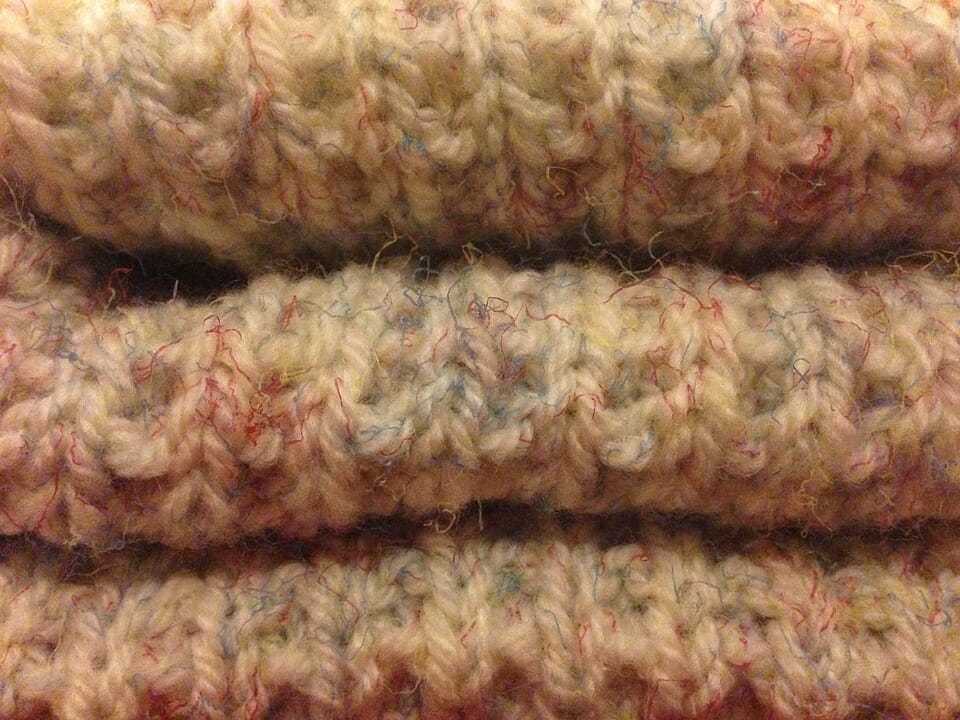
Knitted Woolen Yarn Wool Woollen KnittingModern synthetics are, quite frankly, amazing. Lightweight, warm and often water-resistant, there is a lot to be said for them. I, for one, would rather be out in the woods with Gore-Tex than wool. However, there is no denying the usefulness of the old standby of woolen clothing and blankets. Because market preferences have moved on, it is harder and harder to find quality wool clothing and bedding, and when you do it is pricey. The careful thrift store shopper often can snag everything from old army blankets to old hunting shirts. Heck, I’ve even found Korean War-era wool uniforms! Bottom line, if you want wool, see what has been donated. Many estates don’t waste time with out-of-date clothing and bedding and simply pass it along.


4. Furniture


Is yesteryear’s furniture better than today’s? Well, that all depends. High-end furniture is high-end furniture, regardless of when it is made. What we are looking at is low-end and mid-range furniture, because 50-60 years ago, even cheap stuff wasn’t being build out of particleboard and synthetics the way it is now.


Get Instant Electrical Power In A Convenient, Portable Briefcase!


As an added benefit, buying quality used furniture is good for the wallet and environment. Look for older solid wood or laminate furniture in good condition. A little elbow grease with refinishing can save you big. Sometimes out-of-fashion furniture can be had cheap, and searching economically depressed areas can land you real bargains on durable goods.


5. Computer keyboards


Don’t laugh. If you are handy with upgrading connection cables, some 1980s keyboards are vastly superior to the modern thing. Keyboards are often a very cheap item bundled with a PC, and better-quality ones tended to be upgrades or packaged with premium systems. The IBM Model M is perhaps the holy grail of old school keyboards, but there are other nice ones running about. Who knows, you might get lucky and find a few. If you do a lot of typing, or simply enjoy a high-end keyboard, your fingers will thank you.


Conclusion


As I said earlier, it is something of a fallacy that things were made better in the “good old days.” After all, as cool as they are, a 1930s car is nowhere near as safe and fuel-efficient as a modern automobile, but on the other hand, you couldn’t pay me to use modern Pyrex dishware.


Understanding the limitations of past technology and modern progress can put you in a unique position to cherry pick the surviving goods of past generations to equip yourself with high quality merchandise for pennies on the dollar. Sometimes things go out of style but are still quite functional, and sometimes things were just made better back then. No matter what, there are quality bargains to be had if you look!


What would you add to our list? Share your thoughts in the section below:

Thursday, October 27, 2016

8 Obvious-But-Overlooked Ways Our Grandparents Survived Tough Times

8 Obvious-But-Overlooked Ways Our Grandparents Survived Tough Times

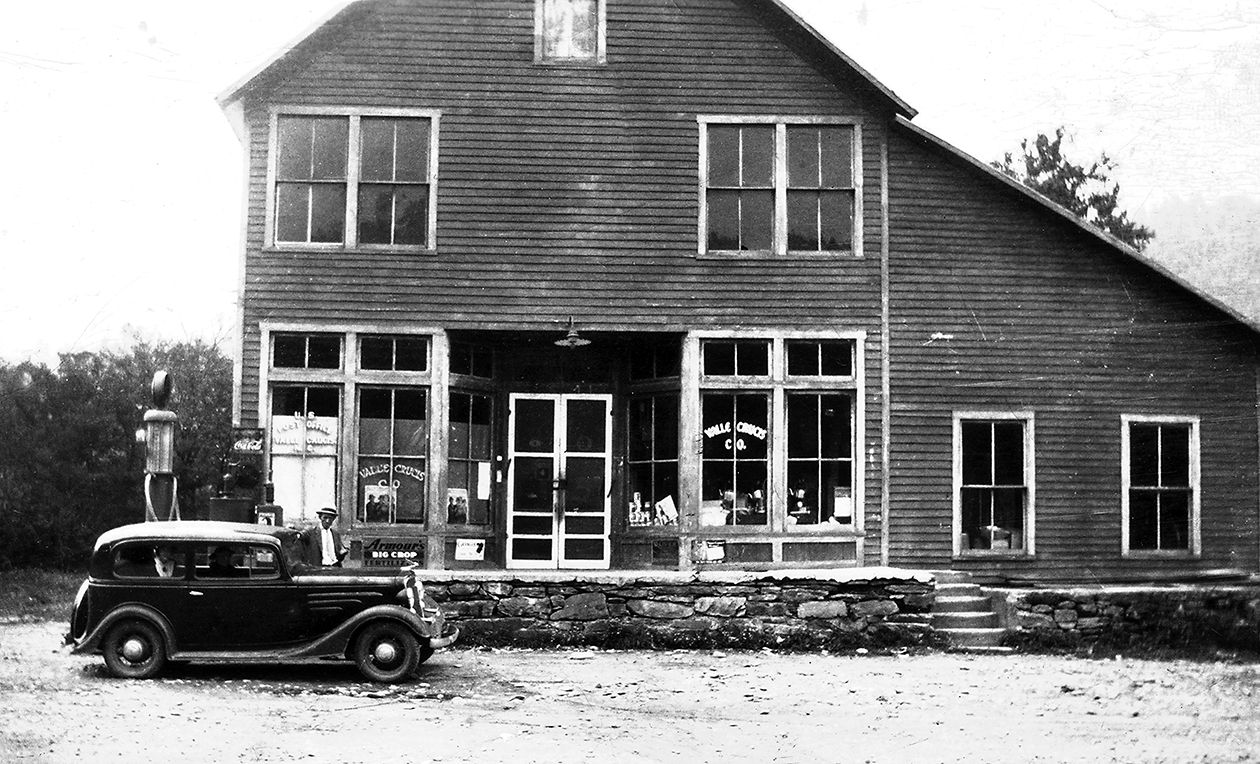
Image source: Mast General Store


Hard times are nothing new. They have come and gone throughout the centuries, and people have dealt with difficulties as best they can.


Amid catastrophic weather, crop failures, job loss and personal injuries—all of which often lead to economic disaster—our ancestors made it through some of the worst of times. Here are a few money-saving tips our grandparents might give us for getting through hard times.


1. Work harder. It might seem laughably obvious at first glance, but hard work really is the answer to a lot of struggles. If you have a job, ramp up your efforts. If you do not have a job, make it your full-time endeavor to look for one. Either way, consider devoting some of your free time to per diem work such as raking leaves and shoveling roofs and walking dogs. Money is out there, just waiting for you to earn it.


2. Tighten your belt. This is another tip that is so obvious that it can be overlooked. Meals out, new clothes, new vehicles, furniture, accessories for both the home and for personal use, and many other luxuries which people routinely purchase can be forgone during hard times. If it isn’t truly necessary, you can do without it until your cash flow improves.


‘Miracle Oil Maker’ Lets You Make Fresh Nut Oils Within Minutes!


3. Limit entertainment. If you are spending your time working hard, you will have less time and energy for entertainment. And tightening your belt means saying no thanks to things like cable television, the latest electronic gadget, a hobby upgrade such as a new cycle or camera or snowmobile, or a vacation trip. This is not to suggest it is healthy to go without entertainment and leisure for a lifetime, but focusing instead on work and thriftiness for a period of time to get you over a rough patch is wise.


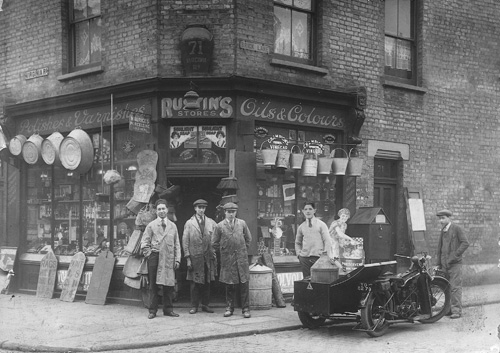
4. Buy second-hand. Even if your livelihood requires that you dress in brand names and drive a nice car, you can still do it wisely by purchasing pre-owned. Consider shopping at thrift shops, online resale outlets, and social media buy/sell groups, not only in lean spells but also in times of plenty. It is a great way to support local businesses and help out your friends and neighbors who may need the cash your purchase brings in.


8 Obvious-But-Overlooked Ways Our Grandparents Survived Tough Times

Image source: Rustins


5. Have a yard sale. Selling your unnecessary goods can kill two birds with one stone. Not only will you scoop up a little cash from the sale, but you will help declutter your home and garage in the process. Having things clean and organized can be energizing, which helps you stay focused and get other things done.


6. Fix items instead of replacing them. In this world of disposable everything, it feels almost automatic to toss stuff in the trash and go buy another one. But in our grandparents’ youth, goods were thrown out less and repaired more. Consider having jacket zippers replaced at a repair shop instead of buying a whole new garment, or sewing on buttons and stitching up seams yourself. Glue broken knickknacks, tighten window blind strings, and don’t be afraid to tinker with tools and equipment to get them back into smooth running condition. Buy parts and replace them yourself or pay a professional—which is still less costly than buying new.


Crazy Gadget Makes Every Window A Cell Phone Solar Charger


7. Grow your own food. Backyard gardening is never completely free, but it is always a better value in the long run than buying less healthy and more chemical-laden foods in the store. During hard times, even a few patio pots filled with tomatoes and summer squash can ease up a straining budget, and a couple of laying hens can make a real difference.


8. Shop wisely. If chicken is on sale, buy chicken. Even if that was not what you had in mind for your current menu or if it comes in packages bigger than you need, you can always repackage and freeze it for later. Buy seasonal items on clearance and store them for next year. Buy in bulk for items you use a lot. Avoid brand names when it does not make a difference, and use coupons for the brand names you prefer when it does matter.


By following these few simple tips all the time, you will be able to build money-saving habits so that when hard times come around, you will be better prepared. It may be possible to become so skilled at pinching pennies that your practices will either help deflect economic difficulties in the first place or will help you glide right through them with barely a hiccup in your routine. Either way, engaging in money-saving behavior is always a win-win.


What advice would you add? Share your tips in the section below:


Discover The Secret To Saving Thousands At The Grocery Store. Read More Here.