Showing posts with label gardeners. Show all posts

Thursday, April 19, 2018

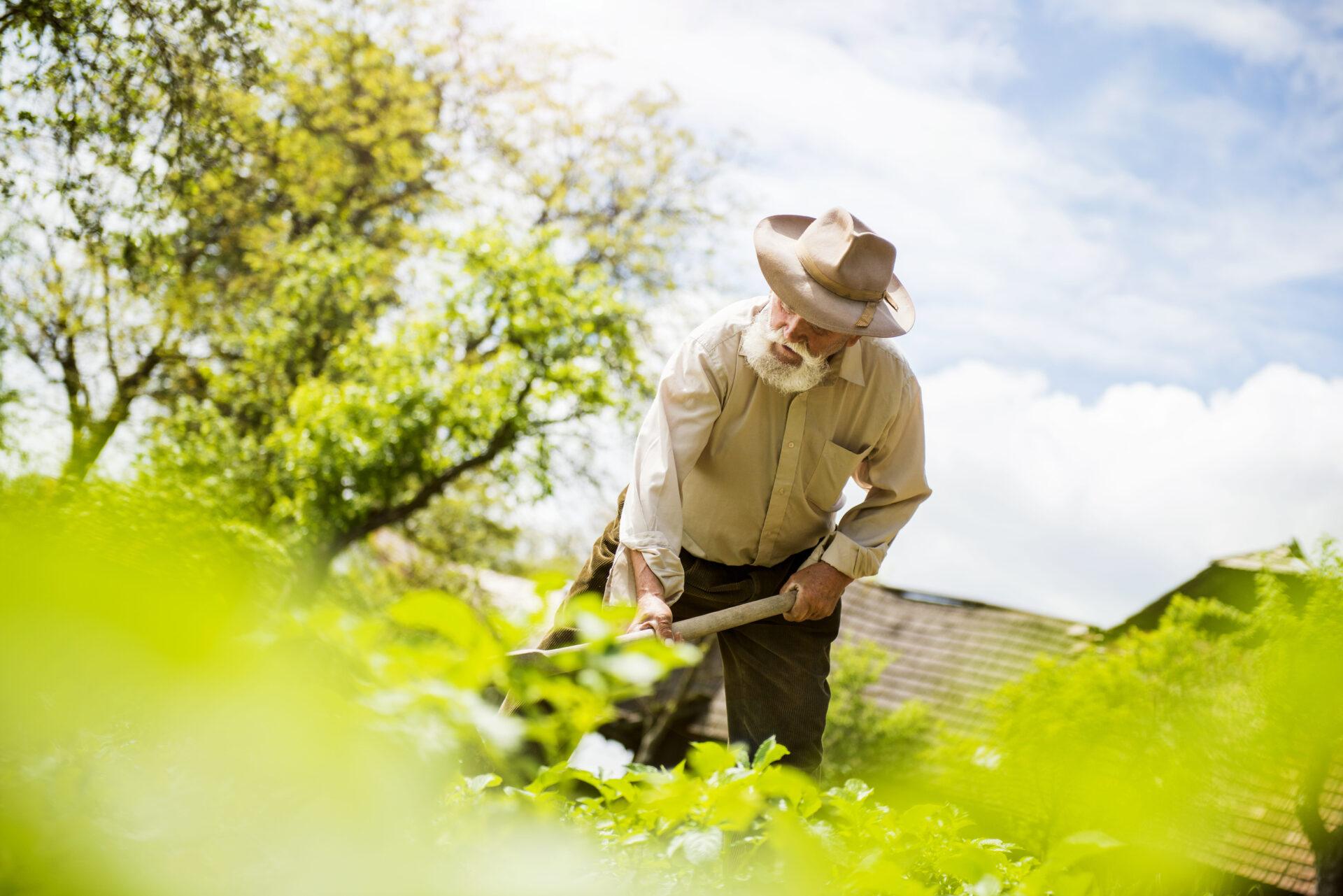
7 Spring Gardening Tricks That Will Stop Summer Weeds


A little extra work in the spring can prevent a lot of weeding later in the year.


It’s a story most gardeners know all too well. We start off the growing season with a blank palette of natural soil in an atmosphere of spring optimism, always confident that this will be the best garden season ever. But if the arrival of summer brings with it an onslaught of weeds, even the most positive of spirits can get crushed under the weight of battling them.


The good news is that there are ways to combat weeds in spring, without using synthetic or even organic herbicides, which can make life a little more comfortable later on. Here are seven tricks to try.


Kill weeds first with clear plastic. Laying reusable clear plastic over the garden before planting any seeds is often an effective way to kill a lot of weeds at once. Sometimes, the greenhouse effect that is created by this method can generate so much heat that it destroys not only sprouted weeds but their seeds, as well, and possibly even other soil pathogens. As a nice side bonus, using clear plastic can preheat the soil in preparation for seeds or seedlings that will appreciate the residual warmth when the plastic is removed. One downside to this method is that it can be less effective in colder climates or during a cold, wet spring, and can end up creating favorable conditions for weed growth if the sun’s rays lack the intensity for searing heat. Make sure this one is right for your situation before using it.


Use fabric mulch before or during planting. I buy high-quality landscape fabric by the roll—the heavy-duty kind sold by greenhouse supply outfits—as often as I can afford it. It costs me a lot more money up front than the cheap stuff, but it works out to be cost-effective because I use it over and over. I use it between the rows in my in-ground garden every year, laying it out before or during planting in a way that defines walk spaces and prevents weeds in all but the smallest slivers of soil. I also use fabric in long-term applications as a weed barrier between and around raised beds, and around berries and fruit trees.


Less expensive fabric or recycled materials can also make a real difference in weeds. Some of my favorite repurposed items for mulching are bags from livestock grain and other animal feed. Used carpet—especially around the other edges of a garden where any possible chemical seepage is less of an issue—works well, too.


Use grass clippings, cardboard and newspaper. These are an excellent mulching option for smaller garden spaces and tight budgets. As with synthetic materials, it is essential to use this method before the weeds take hold—better still before they even sprout. I’ve used this mulching process with good results, and have found that the most important secrets to success are to do it on a day with little to no wind. Don’t skimp on materials, use heavy, wet grass clippings, and pack it down well.


Use weed-free compost. Whether purchased from a commercial compost facility or retailer, obtained directly from a farm, or made right on the homestead, the key is to ensure it’s been heated sufficiently to kill weed seeds. We get all the weeds we need from nature, and do not need to import more!


Maintain the highest possible soil quality. Weeds flourish in poor soil, but most vegetables are not as adaptable as weeds. The more favorable conditions we can give our plants, the better armed they are to grow bigger and stronger and be better equipped to hold their own in the constant fight with weeds for space. Minimal rocks, the right ratio of sand and loam, ample organic material, and proper drainage all contribute to soil health—and in turn, make a big difference in plant health.


Provide plenty of water to newly planted seeds and seedlings. As with soil quality, water helps provide intentional plants with what they need to compete against weeds.


Provide the specific nutrients for the plants that you are growing. This point goes along with general soil quality and water but adds soil composition into the mix. It’s crucial to test garden soil—most cooperative extension services or state universities can help with this—and to amend the soil as recommended. Depending upon geography and the variety of crops being grown, soil test reports might advise raising or lowering soil pH, adjusting the ratio of organic matter, or adding specific nutrients like phosphorus, magnesium or sulfur.


The fundamental way to stop summer weeds in spring is twofold: First, make life as difficult as possible for weeds by overheating them in the sun under clear plastic or suffocating them under mulch. Second, make life as easy as possible for the plants you do want to grow by giving them the best possible soil and water conditions.


What advice would you add? Share it in the section below:


Tuesday, March 20, 2018

Dirt Cheap: The Best Frugal Gardening Ideas On The Internet

Dirt Cheap: The Best Frugal Gardening Ideas On The Internet | The-Best-Frugal-Gardening-Ideas-on-the-Internet-450x300 | Agriculture & Farming Organic Market Classifieds Organics Special Interests


With the price of healthful groceries going no place but up, lots of thrifty folks are starting a garden to save money on their bills this year. But what about the money to start a garden? It can be a very expensive undertaking, especially if you’ve never gardened before in your particular location.


I’ve been researching ways to start my own garden as inexpensively as possible and thought, “HEY!!! I know some other folks who would absolutely love frugal gardening ideas!” So…here they are.


Step One: What Kind of Garden Are You Going to Grow?


Of course, the very first thing to decide is what type of garden will work best for your situation. This will depend a lot on your soil, your climate, your skill set, and what you have easy and inexpensive access to. Following are some articles and books that will help you make your decision.


Pallet Gardens: Simple, Easy, Free


Straw Bale Gardens Complete


How to Build a Recycled Greenhouse


Create an Instant Garden with Sheet Mulching


Lasagna Gardening: A New Layering System for Bountiful Gardens: No Digging, No Tilling, No Weeding, No Kidding!


DIY Metal Raised Beds


DIY Super Easy Raised Garden Bed for Under $30


How to Build a Raised Garden Bed for $12


For those who aren’t build-y: Big Bag Fabric Raised Beds (I have used these with great success for veggies with shallow roots and as a bonus, you can use them on concrete if you’re gardening on a patio.)


Using Pallets to Make Free Raised Garden Beds


Square Foot Gardening: The Revolutionary Way to Grow More in Less Space


15 Fruits and Veggies You Can Grow in a Bucket Garden


PVC Drip Irrigation System for Your Garden


How to Save BIG on Lumber Supplies for Your Square Foot Garden


Step Two: Plan Your Garden


Now that you have figured out how you’ll grow your food, you need to figure out what to grow. A lot of that depends on your goals. Are you just hoping for salad this summer? Or are you planning to grow an entire year’s worth of food for your family? These links will help you make some decisions!


FREE Garden Planning Printables


How Much to Plant for a Year’s Worth of Food


Granny Miller’s Garden Planner for Home Preservation


An Inspiring 5000 Square Foot Garden Plan


Last Frost Date Seed Planting Worksheet


Step Three: Start Your Seedlings


While it’s easy and less hassle to buy your seedlings already started, it costs a whole lot more. One plant can be the equivalent of an entire package of seeds!  Starting your own seedlings is not that difficult and you don’t need an indoor growing operation that marijuana drug lords would envy.


Seed Starting 101


Frugal Seed Starting Station


DIY Seed Starting Mix


10 Seed Starting Hacks


20 Frugal Repurposed Seed Starting Containers


How to Make Newspaper Seed Starting Pots


Another Way to Make Seed Starting Pots from Newspaper


Chicken Manure Tea for Seedlings


Why Your Seeds Aren’t Germinating


Step Four: Amend, Create, or Prepare Your Soil


No matter how sturdy your seedlings or how efficient your beds, your garden is only as good as your soil. These tips will help you, whether you’re amending what exists, creating soil, or preparing your soil to recieve seedlings.


Know Where You’re Starting Out: Test Your Soil


How to Make Your Own Garden Soil and Compost


Create an Instant Garden with Sheet Mulching


10 Tips to Improve Your Soil


Using Eggshells in the Garden


Using Coffee Grounds in the Garden


Build a Compost Bin from Pallets


Is Your Soil Getting Enough Calories?


Bonus: Pest and Weed Control


You don’t have to break the bank to keep weeds and pests at bay.  Many of the things you need are things you’d normally throw in the trash. Other DIYs are chemical-free and thrifty to make.


Natural Pest Control in the Garden


5 Ways to Naturally Control Weeds


Natural Flea Beetle Control


The Organic Gardener’s Handbook of Pest and Disease Control


Repel Insects Naturally with This All-Purpose Garden Spray


Using Banana Peels in the Garden to Repel Pests


Bonus Bonus: Miscellaneous Frugal Gardening Awesomeness


These resources didn’t fit into any of the above categories but I found something useful for my frugal gardening efforts in every single one. So, I figured you guys would like them too!


10 Things That Can Be Recycled for the Garden


Cheap and Easy Gardening Tips


The Vegetable Gardener’s Bible


The Top 10 Plants for Companion Gardening


Vegetable Gardening Basics


DIY Garden Hose Repair


7 Budget-Friendly Garden Tips


Build a Simple Cucumber Trellis


21 Gardening Hacks


Frugal and Free Landscaping and Garden Ideas


25 Cheap Gardening Tricks for Self-Reliance


9 Gardening Supplies You Can Get for Free


How to Start a Garden on a Budget


70+ Frugal Garden DIYs


80+ Items You Can Compost


Bonus Bonus BONUS: A Peek at My Personal Gardening Library


These are the books I have on my own bookshelf in the gardening/homesteading area. I’ve included links so you can find them on Amazon. All links are to the newest editions, so the books may not look the same as the ones you see on my shelf.


Lasagna Gardening: A New Layering System for Bountiful Gardens: No Digging, No Tilling, No Weeding, No Kidding!


The Backyard Homestead


Straw Bale Gardens Complete


The Woodland Homestead


Urban Farming


Western Garden Book


The Encyclopedia of Country Living


Building a Shed


Organic Gardening (There are only a few used copies of this one on Amazon)


The Vegetable Gardener’s Bible


Craft Wisdom and Know-How


The Taylor Guides


Not shown because I let someone borrow them or read the e-version:


All New Square Foot Gardening, Second Edition: The Revolutionary Way to Grow More In Less Space


Garden Like a Ninja


What are you waiting for?


If you are into the preparedness lifestyle, I’ve mentioned again and again what a terrible idea it is to wait until after a disaster to begin learning to garden. I’ve had a couple of bad years in a row, and I’m determined to make this one better. I have that luxury now, because groceries are plentiful, albeit pricey, at my local store.


Clearly, budget isn’t an issue! There are so many things you can do on a dime that there’s absolutely no reason for you to delay starting a garden for self-reliance.


Do you have any frugal garden tips you’d like to share? Your comments could be included in a future round-up! Post them in the section below!


The post Dirt Cheap: The Best Frugal Gardening Ideas On The Internet appeared first on The Sleuth Journal.

Wednesday, May 10, 2017

10 Simple Hacks For A Successful Vegetable Garden (VIDEO)

10 Simple Hacks For A Successful Vegetable Garden (VIDEO) | Successful-Vegetable-Garden | Agriculture & Farming Multimedia Organic Market Classifieds


Growing your own food successfully is a constant process of learning which techniques work best for you and your plants. More often than not, we learn from the mistakes we make along the way, or through simple bits of advice from other gardeners. These short cuts handed down from other gardeners can save us valuable time. If you do not have any friends who are gardeners, consider contacting your local Master Gardeners Association. They regularly have classes and can provide you with indispensable knowledge of native plants that grow in your area, how to cultivate the soil, companion gardening, reducing weeds and more.


Recently, I wrote an article listing essential gardening laws to give your plants the best chance at providing you with a big harvest. Taking that advice and using these ten quick tips provided in the video by experienced gardeners can help you save time, increase your growing space and reduce costs.