Showing posts with label heating. Show all posts

Monday, February 12, 2018

Off-Grid Tricks That Will Make Your House Warmer (And Lower Your Heating Costs, Too)

Off-Grid Tricks That Will Make Your House Warmer (And Lower Your Heating Costs, Too)

Image source: Pixabay.com


No matter where you live, staying warm in the winter takes much more work than being comfortable the rest of the year. But it can be done — no matter your heating source.


Be Creative When Insulating


Keeping the warm air in and the cold air out is priority No. 1 when it comes to home heating. If replacing old doors and windows or adding to existing insulation is an option, consider one of these other insulating methods:


  • Use heavy drapes or even blankets over older windows to protect from cold.

  • Seal around door jambs and window casing with expandable foam to prevent drafts.

  • Replace weather stripping around leaky doors and windows.

  • Add window film or bubble wrap over windows to increase their insulating values.

  • Keep unused rooms closed and use draft stoppers along the floor to keep cold air from leaking into occupied rooms.

  • Install outlet and switchplate gaskets to stop cold air in exterior walls from seeping into living spaces.


Heat the Person, Not the Room


Turn the thermostat down a notch and still stay warm by focusing on the person and not heating an entire home. Throw blankets, lap quilts, and afghans are all good ways to keep a person warm and lower your heating costs. Extra blankets or even heated blankets provide a comfortable place to sleep if the air in your bedroom is cold.


Take Advantage of the Sun


Some of the coldest days of the year are usually the sunniest! Take advantage of solar heating by opening drapes and curtains on windows that get the most direct sunlight during the day. You also can build or buy solar window boxes which harvest the heat of the sun and allow it to pass into your home via open windows.


Kill two birds with one stone and consider putting in a lean-to style greenhouse attached to your home where the excess heat can be let into the house by opening a window, or enclose a porch with polycarbonate panels for the same effect. Not only can you help heat the house, but you can grow or start your garden veggies, as well!


Become a Fan of Fans


It may seem counter-productive, but using fans to push air around in the winter can save you big bucks on your heating bills. Use ceiling fans to bring warm air down from the ceiling, small corner fans to push air down hallways or into small rooms, and box fans or woodstove fans to move air from one room to another.


Waste Not, Want Not


Using the oven? Leave the door open when you are done cooking to let the heat escape into the room. The same can be done with the clothes dryer. Just keep in mind that if you have lights in either of these appliances that can’t be turned off, you’ll want to be diligent about getting them closed when they aren’t providing heat to the room.


Think Outside the Box – Recycle and Upcycle


If you’ve got a wood stove, consider making your own firebricks and firelogs out of old junk mail and newspapers. You also can use catalogs, food packaging boxes, wood scraps (no pressure treated, plywoods or chipboards which contain glues, chemicals or resins) and even pinecones in place of firewood.


For radiators or wall-mounted propane heaters without fans, use a wall shelf mounted above to steer heat into the room instead of straight up towards the ceiling. Just be sure to check with the manufacturer to determine safe clearances.


You also can use leftover greenhouse building materials to build solar heating boxes as mentioned above.


Use More Than One Heating Source


Don’t be afraid to diversify and use more than one heating source for your home. If you have electric heat but live in a wooded area or have access to inexpensive firewood, consider adding a wood stove, or wood furnace as well to save money. If you already have propane for cooking, look into adding a propane fireplace or heater if propane in your area is cost effective. By using more than one heating source you have options if there is suddenly a spike in propane or oil costs, or if your usual firewood cutting area gets closed due to fire.


What advice would you add? Share it in the section below:

Monday, January 1, 2018

7 Off-Grid (And Overlooked) Ways To Heat Your Home

7 Off-Grid (And Overlooked) Ways To Heat Your Home

Image source: FireSpeaking.com


The most common methods in the United States for home heating are electricity, gas, oil and wood. However, when it comes to keeping your home warm in the winter, there are countless options available — especially for those who live off grid.


Corn Burning and Multi-Fuel Pellet/Corn stoves


If your parents or grandparents were alive during the Great Depression, chances are they burned corn during the winter to stay warm due to the much lower cost of it compared to coal. Today, true corn burning, and multi-fuel stoves, are making a comeback.


Shelled corn burns at roughly 8,000 BTUs which is similar to wood pellets, and depending on where you live, a bag of shelled corn for heating may actually cost you much less. If you live in an area where the cost of both is about the same, consider a multi-fuel stove that allows you to burn either one, giving you greater flexibility, particularly if there is an unexpected price hike.


Masonry Heaters


Masonry heaters are a very old design that are being re-imagined for today’s green homes. Built of brick, tile, soapstone, natural stone or a combination of those materials, a masonry heater consists of a firebox and channels or partitions used for heat-exchange.


Get Free Backup Electricity — That Works Even During Blackouts!


Because of the way the materials absorb the heat and release it, the heat itself only burns wood for a short time and then radiates it back into the home for up to 36 hours.


Wood-Burning Furnaces or Boilers


If you like the idea of a wood stove or fireplace but want the convenience of a complete home heating system, you many want to look into the ever-expanding market of wood-burning furnaces. Some are easier to retrofit on to an existing home then others, so be sure to do your research. Both indoor and outdoor units are available.


Rocket Stove Mass Heater


Rocket stove mass heaters were developed from the highly efficient wood burning rocket stoves, and masonry heaters. The idea behind it is that the wood fuel is burned at extremely high heat while a large thermal mass absorbs the heat from the exhaust gases. There are a variety of videos and tutorials online, and they can be built in just a few days.


Air-to-Water Radiant Heat


The concept of using hot water to heat your house isn’t new, but these two ideas may never have crossed your mind.  If you have a backup generator that uses liquid cooling to keep the engine cool during use, one idea would be to plumb the cooling system through a radiator inside your home and possibly have it selectable to only use an outside radiator during summer and the inside radiator during the cooler months.  A second idea could also be to use a small pump to circulate water through solar heating tubes outside and then plumb those water lines inside the home to the radiator.  This could work on those sunny days when the temperature is cold, but the sun will heat the water or fluid used to transport the heat inside.


Air-to-Air Radiant Heat


In a similar manner to the previous idea on radiant heat, a system could collect cooler air from outside and pass it through a solar heat collector that would heat the air before being piped into your home. Again, this would work on cold days that had sun that can heat the solar tubes before a pump pushes the air inside.


Solar Window Boxes


Depending on where you live, Solar Window Boxes may be more of a supplemental heating source than a whole house solution. The idea behind them is pretty simple; they are an airtight box made of translucent materials which allows for the sun to warm the air. In turn the warm air enters the home via ducting or other openings into the window of your home.


Solar Window Boxes can be constructed fairly cheaply, although there are also commercially made products available. Several good videos and tutorials are available online.


There are many ways to heat your home. The true limitation is just the depth of your imagination.


What advice would you add? Share it in the section below:

Tuesday, December 13, 2016

The Most Efficient Wood Stoves For Off-Grid Heat

The Most Efficient Wood Stoves For Off-Grid Heat

Photo by Stephen McKay. Creative Commons license: https://creativecommons.org/licenses/by-sa/2.0/


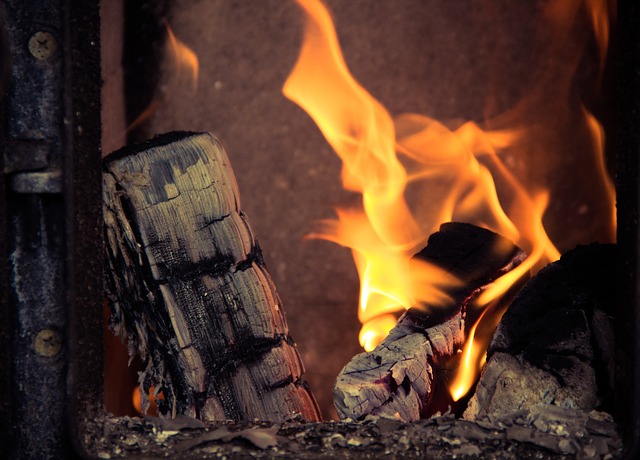
Heating with wood is a great option for many households – and a must for most off-gridders and homesteaders. Wood stoves are easy to use and the feedstock is renewable and easy to obtain. If you live in a heavily wooded area, are living without electricity, or simply want to reduce your fuel bill, wood stoves often make a good deal of sense.


In this article, we are going to explore the different types of wood stoves, their features, and differing levels of efficiency. Not all wood stoves are created equal, and they can range from something as simple as a 50-gallon steel drum to something more complicated, like a circulating stove with a catalytic converter.


Open Fireplace


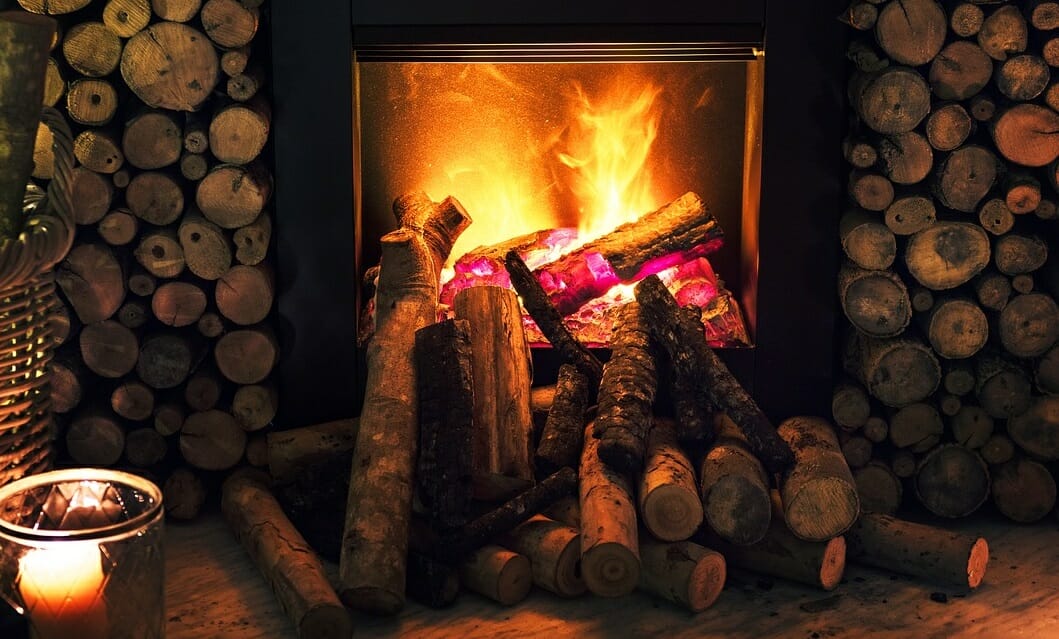
We’ll begin with one of the most iconic kinds of wood-burning heaters: the open fireplace. Open fireplaces are popular because they’re romantic and make a nice visual addition to a room. Who hasn’t imagined themselves relaxing at the hunting lounge with a big, stone fireplace in the center of the living room? The problem with open fireplaces is that they are extremely inefficient.


Crazy Gadget Makes Every Window A Cell Phone Solar Charger


Why? Because they actually suck all the heat out of a room, sending it outside via the chimney. Because of this, you will rarely find fireplaces in homes where wood is the main source of heat. Not only are they hugely inefficient, but fireplaces are also extremely smoky. This is an annoyance, but it’s an indicator that you are not getting a very clean, and therefore efficient, burn of the wood itself. Modern fireplaces typically only covert 10 percent to 20 percent of wood burned to heat.


Radiant Heat Stove


Another common wood stove is a radiant heat-type wood stove. These wood stoves heat the area around them by radiating the heat from an enclosed chamber. Common types of radiant heat wood stoves include potbelly stoves and rocket mass heaters. Because the combustion chamber is either enclosed or insulated, radiant heat wood stoves will be much more efficient than an open burning fireplace, and the heat will be radiated into the room for a much longer time after the fire has gone out.


The Most Efficient Wood Stoves For Off-Grid Heat

Image source: Pixabay.com


There are varying levels of efficiencies within radiant heat wood stoves, with perhaps the most efficient being a rocket mass heater. Rocket mass heaters use an insulated burn chamber, are designed for more draft, and have heat-exchange passages that capture exhaust gases before they escape through the chimney, resulting in a cleaner burn that can be up to eight times more efficient than traditional radiant heat wood stoves. The heat created from a rocket mass heater is then radiated into the room via a thermal mass (concrete, adobe, dirt, etc.) that surrounds the heating components.


Get Free Electricity — And Never Be Without Power!


Radiant heat wood stoves can be inexpensively built out of something as simple as a 55-gallon steel drum with a chimney attached. Although this can be a great option if you have the materials lying around or can procure them cheaply, keep in the mind that the life of these wood stoves will be much less than something built out of sturdier material like firebrick, concrete or cast iron.


Circulating Heat Stove


The more modern kind of wood stoves that you can purchase at many heating supply stores are circulating stoves that use air to heat the living space. Circulating stoves are double walled with an inner combustion chamber. There is an air space between the two walls where air is passed over the inner wall near the combustion chamber, and then pushed out into the room, conveying heat. These types of stoves can achieve 70 percent to 80 percent efficiencies and are popular for families with children, since the outer wall of the stove does not get nearly as hot as with radiant-type stoves.


As air pollution became more and more of a concern, many circulating wood stoves started to integrate catalytic converters and secondary air combustion chambers to reduce emissions and increase efficiency. Catalytic converters are simply platinum grids that are placed in the firebox of the stoves, capturing the exhaust and combusting it for a cleaner burn. Modern circulating stoves that do not have catalytic converters have a damper that directs smoke from the stove into a secondary chamber, where hot air is added and reignites any unburned fuel.


Non-catalytic circulating stoves are often cheaper than catalytic stoves and easier to maintain. A wood stove with a catalytic converter is more efficient than one without, but the catalytic converter will need to be replaced every five years and may require yearly maintenance.


Wood stoves are a great way to reduce you heating bill, reduce your reliance on the electric grid and make use of a renewable natural resource. When choosing one, take into consideration your budget, the size of space you want to heat and your desired efficiency for a warm, happy home.


How do you heat your home? What advice would you add for a new buyer or homeowner? Share your tips in the section below:


Are You Prepared For Extended Blackouts? Read More Here.