Showing posts with label squash. Show all posts

Wednesday, October 11, 2017

Squash-Storing Secrets: How To Make It Last Up To 8 Months

Squash-Storing Secrets: How To Make It Last Up To 8 Months

Image source: Pixabay.com


The first time I grew spaghetti squash, I had no idea when to harvest it.


Of course, I’ve purchased spaghetti squash many times. Those store-bought fruits were butter-yellow and usually about the size of a quart jar. The squash in my garden, however, were light green and about the size of a football. Puzzled, I checked online and read that spaghetti squash should be harvested after it turns from green to light cream to butter yellow. Did this mean my green football-sized squash was still growing? What the heck? I’m single! I don’t need a squash large enough to feed the Brady Bunch. Still, since the consensus was to leave it, I did.


It’s An All-Natural Fertilizer That Can Double Garden Yield!


I’ve since learned that it’s OK to pick spaghetti squash — or any winter squash — before they’re fully ripe. But that advice comes with a couple of caveats. Read on to find out the best time to pick winter squash, how to prepare (or cure) squash for the best flavor and for long-term storage, and how long squash will keep.


What is Winter Squash?


Winter squash varieties include pumpkins as well as acorn, butternut, buttercup (a.k.a. kabocha), spaghetti, and delicata squash. Winter squash isn’t grown in the winter; it’s so named because it can be stored and used throughout the winter months. Summer squash — like zucchini — has thin skin and needs to be used within about a week of being picked. But winter squash has a tough, thick rind and it stores well. Depending on the variety, winter squash may keep for anywhere from one to eight months.


When to Harvest


Letting winter squash ripen on the vine will bring out its sweetness, and typically that means harvesting in the fall. There are a few ways to tell if your squash is ripe and ready to pick. First, each variety has unique physical characteristics that indicate it’s ripe:


  • Acorn squash turns dark green when ripe and its yellow spots (which appear where the squash was touching the ground) turn orange.

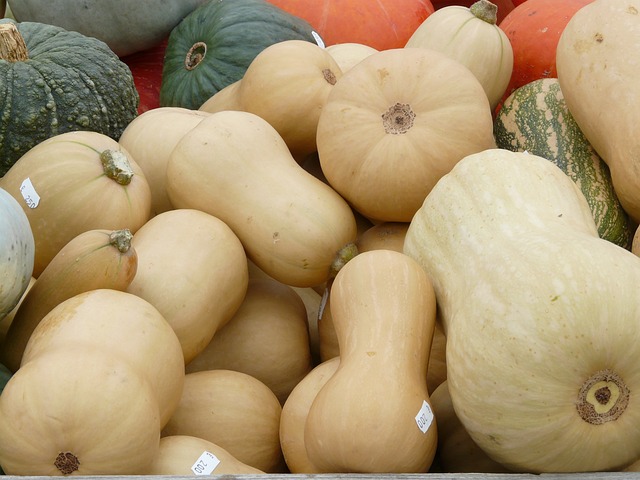
  • Ripe butternut squash has a light tan-colored rind, with no green lines showing.

  • Buttercup/kabocha squash turns from bright green to a duller green/brown color when ripe. Its shape changes as well, from a round pumpkin-type shape to a blockier shape.

  • Ripe spaghetti squash is butter yellow.

  • The white areas on delicata squash turn creamy or yellow in color when the squash is ripe.

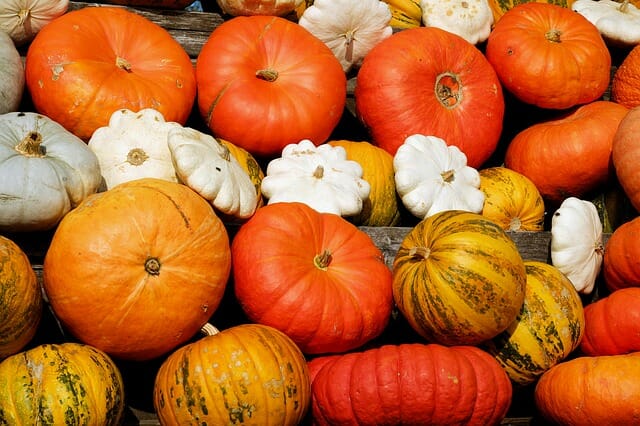
  • Pumpkins, of course, are ripe when they are deep orange.

There are a few other clues that help determine ripeness:


  • The squash feels heavy for its size.

  • It sounds hollow when tapped.

  • If you press your fingernail against the rind, the rind doesn’t break.

  • The vines have died back (withered and dried) and the fruit’s stem is brown. (However, sometimes squash will not be fully ripe even if the vines die back. Don’t use this tip alone to determine if the squash is ready for harvesting.)

What if it’s Not-Quite Ripe?

Squash-Storing Secrets: How To Make It Last Up To 8 Months

Image source: Pixabay.com


Sometimes we need to pick squash that isn’t quite ripe. It might be growing too large (like my spaghetti squash) or a heavy frost may be forecast. One or two light frosts won’t hurt squash that’s ripe or almost ripe. But if you anticipate heavy frost or consistently low temperatures, it’s best to harvest your squash.


Need Non-GMO Squash Seeds? Get The Best Deals Here!


Let squash stay on the vine for as long as possible, even if you do eventually pick it before it’s completely ripe. (Very young squash, particularly those that fail the fingernail test, likely won’t ripen enough to eat and won’t keep well.) The closer harvested squash is to being fully ripe, the better it will taste once it’s ripened, and the longer it will keep. Once picked, let it continue to ripen and cure before using.


Curing Winter Squash


Except for acorn squash, winter squash should be cured before using or storing. To cure, just let harvested squash sit for 10-14 days in a warm location (indoors or out) that has good air circulation. Don’t let the fruit touch each other and don’t stack them. The curing process reduces the water content of squash, which 1) concentrates the fruit’s natural sugars, heightening its sweet taste; (2) slows the fruit’s respiration rate, which helps with storage; and, 3) reduces chances of rot. Curing also gives scratches and dents a chance to heal and further hardens the rind, which increases the amount of time the squash can be stored.


Storing Winter Squash


Always harvest winter squash by cutting them from the vines and leaving about two inches of the stem attached. Pulling or twisting the squash off may damage the stem, which can cause rot and shorten the fruit’s shelf life. Rinse the squash clean and remove any bits of blossom that might be stuck on the bottom.


The best candidates for storage are fully ripe, cured and unblemished squash with thick rinds. Place those in a dry, cool location (ideally 50-60 degrees Fahrenheit). Spreading them on a pallet will ensure good air circulation.


Acorn and delicata squash need to be used the soonest, as they have a 5-8 week shelf life. Buttercup and spaghetti squash as well as pumpkins may keep up to 4-6 months. Butternut squash keeps the longest, for up to 8 months.


Do you have any squash stored away for the winter? If so, do you have any other tips for making them keep longer? Let us know in the comments below.

Friday, October 6, 2017

Squash 101: Tricks To Keep Your Harvest Stored For MONTHS

Squash 101: Tricks To Help Your Harvest Last Months

Image source: Pixabay.com


Squash is easy to grow, and the rambunctious vines, huge leaves and colorful blooms add beauty to the late summer garden. However, there’s a distinct difference between summer and winter squash.


Unlike zucchini and other types of summer squash that are harvested in summer when the fruit is immature and the rind is tender, winter squash, including acorn, butternut, hubbard, spaghetti, delicata and pumpkin, are ready to pick in fall when the fruit is mature and the rind is hard.


Most types of winter squash store beautifully with proper preparation, and the flavor is enhanced by the concentration of natural sugars in the fruit. However, storage time varies. Hubbard squash stores well and lasts at least five or six months, while buttercup squash and pumpkins maintain quality for two to three months. Spaghetti squash should be used in four or five weeks.


Acorn squash, which are thin-skilled, should be used fairly soon because they last only about a month. They require no curing period; in fact, curing will actually shorten the storage life of acorn squash.


Get Started


Harvesting, curing and storing winter squash is simple. Here’s how:


Pick winter squash when the vines begin to die down in late summer or autumn. The color of the squash should be uniform and the finish dull and no longer shiny. If in doubt, poke the squash with your fingernail. The squash is ready to pick if you can’t puncture the rind.


Looking For Non-GMO Squash Seeds? Get Them From A Company You Can Trust!


Squash 101: Tricks To Help Your Harvest Last Months

Image source: Pixabay.com


Don’t rush to harvest squash, as immature squash doesn’t store well. However, weather is definitely a factor. Although one or two light frosts won’t damage most types of winter squash, repeated frost or a hard freeze can do serious damage.


Cut squash from the vine with scissors, leaving about an inch of stem on squash; never twist or pull. Leave about an inch of stem on winter squash and 3 to 4 inches of stem intact on pumpkins. (Jack O’Lanterns need a good handle.)


Handle the squash with tender loving care, as any cuts or scrapes can allow pathogens to enter the squash, thus greatly shortening the storage life. If any stems loosen or break, store the squash in the refrigerator and use it soon because it won’t keep.


Place winter squash in a covered porch or other protected, well-ventilated room for 10 days to two weeks. Ideally, squash should be cured at 80 to 80 Fahrenheit to harden the rind and heal any cuts with nighttime temps above 60 degrees. You can leave just-picked winter squash in the garden to dry if weather is dry and temperatures are below 95 degrees.


After curing, brush dirt away gently, and then wipe the squash with a solution of one part water to 10 parts bleach.


Store winter squash in a single layer, not touching each other in a cool, dry, well-ventilated room. Ideal temperatures for storage are between 50 and 55 degrees Fahrenheit. Don’t store squash near pears, apples or other fruits that emit ethylene gases that decrease the life of the squash.


Check the squash every couple of weeks, and discard or use any that are showing bruises or soft spots.


What advice would you add on storing squash? Share your tips in the section below:


Bust Inflation With A Low-Cost, High-Production Garden. Read More Here.


Wednesday, August 23, 2017

3 ‘Monster Vegetables’ You Didn’t Know Could Be Grown Vertically (Yep, We Were Surprised, Too)

3 Vegetables You Didn’t Know Could Be Grown Vertically (Yep, We Were Surprised, Too)

Image source: YouTube


Jack may have followed a beanstalk up into the clouds, but beans aren’t the only vegetables that love an excuse to reach heavenwards.


Vertical gardening offers a number of benefits compared to traditional gardening, and is a technique which lends itself well to a surprising number of common plants. This sort of approach is especially helpful when space is at a premium, allowing even a compact section of soil to nurture multiple large plants supported by a trellis or other structure.


Not only does vertical gardening save space, but it also tends to produce healthier plants. The increased air circulation helps reduce problems with pests and diseases, and, because vertical plants are generally easier to access for the gardener, the arrangement tends to result in better watering and fertilizing.


Need Non-GMO Seeds? Get The Best Deals Here!


Let’s take a look at three plants you might be surprised can be grown vertically.


1. Squash


Squash are notorious space hogs, but by sending them skyward they’ll be less likely to overwhelm your garden.  For best results, seek out smaller varieties, like zucchini, pie pumpkins, or acorn squash, that will be easier to shore up. Note, though, that because of their weight, even relatively small squash will require sturdy supports, so consider constructing a trellis with a metal frame to prevent mid-season tragedy.


Story continues below video


2. Cucumbers


While many people are accustomed to seeing bush cucumber plants, several varieties (especially heirloom varieties) are available that embrace the vertical lifestyle and can grow upwards of five feet high if carefully supported. This distance from the dirt is especially helpful in preventing fungal infections and other diseases from overwhelming cucumber plants.


Story continues below video


3. Melons


Like squash, small melons can readily be trained to climb trellises rather than sprawl across the garden. To prevent damaging tender vines, avoid using string to attach the plant to the structure. Instead, consider using surveyor’s tape, strips of fabric, or even pieces of nylon to coax the growing plant along. Once the fruit starts to weigh more than a pound or two, create a sling for it (mesh vegetable bags or cut up nylons work great) to shift the weight of it to the support structure rather than having it pulling entirely on the vine.


Story continues below video


Some gardeners grow these three vegetables near a fence, which can provide even more support.


Vertical gardening is a great way to increase both the yield and the appearance of vegetable plants grown at home. Consider incorporating the different plants listed above in your next garden plan and discover that, when it comes to growing food at home, the sky really is the limit.


What advice would you add? Share it in the section below:


Bust Inflation With A Low-Cost, High-Production Garden. Read More Here.


Sunday, May 7, 2017

Summer Squash: The Gardening Staple You Can Grow In 40 Days

Summer Squash: The Gardening Staple You Can Grow In 40 Days

Image source: Pixabay.com


For a lot of people, the thought of summer squash brings to mind just a few varieties. The entire list probably consists of little yellow crooknecks and zucchini, with no more than one or two choices of each.


However, there is a bonanza of summer squash taste available to home gardeners, much of which is very easily raised in most growing zones across the United States. If you like squash even a tiny bit, you will want to grow your own. Fresh summer squash in your backyard provides daily fresh young produce throughout the season, the ability to eliminate food miles, and the opportunity to try dozens of unique varieties that are not available at stores or even farmer’s markets.


Summer Squash or Winter Squash?


It may be useful to begin by defining “summer squash” as opposed to winter squash. Summer squash, as suggested by the name, are those varieties which can be harvested during the summer. The first fruits of summer squash can be ready for harvest in as few as 40 days after planting and continue to yield for the duration of the season as long as they are picked regularly. Winter squash generally requires a longer growing season and is not harvested until fall.


Summer squash is best eaten fresh and does not store well, while winter squash can be stored in a root cellar for months and often even improves in storage.


Need Non-GMO Squash Seeds? Get The Best Deals Here!


The other main difference between summer and winter squash is the skin texture. The skin of summer squash is tender and thin and is usually eaten, while that of winter squash is generally peeled off and discarded because it is tough and unpalatable.


Summer squash comes in all shapes and sizes, and falls into three major categories: yellow, zucchini, and pattypan.


Some people think of “summer squash” to mean specifically yellow crooknecks, the light banana-colored ones shaped like a lightbulb with an elongated curved end. These are included in the “yellow” category, and come in a variety of cultivars. Most of them are the classic crookneck shape, but some have straighter necks than others and a few are more lemon-shaped with little or no neck at all. They are mild and sweet, best eaten very small — six inches or less in length — as they can quickly become thick-skinned and less appealing. Yellow squash skin can be either smooth or bumpy.


Zucchini Squash: The Type That Make People Run


There is vast variety among zucchini squashes, ranging from the classic green cucumber-sized fruit available year-round in the supermarket to the baseball-bat-sized produce that home gardeners are all too eager to give away during peak season, to the “Holy-cow-what-is-that-thing?!?” varieties.


Zucchinis can end up the brunt of jokes, largely due to their potentially highly prolific habits. People in my region quip that the only time of year they lock their cars is during zucchini season, lest a desperate coworker or passerby seize the opportunity to divest themselves of excess squash. Cookbook author Andrea Chesman advises in her book “Serving Up the Harvest” that “two summer squash plants will provide sufficient squash for…[a] family,” and she warns that “more plants is an embarrassment.” However, zucchinis being my personal favorite, I never heed her advice. I usually plant at least five zucchini cultivars, and only sometimes regret it.


In addition to the Kelly green varieties found in supermarket produce sections and unlocked cars, zucchinis range from light green to almost black, and also can be golden. They are sometimes all one color with smooth skin, but often sport lengthwise contrasting stripes or raised ridges. Their shapes run the gamut, from lightbulb to cucumber-like and are also sometimes round.


More Rare Types of Squash


One particularly unique type of squash is called a “tromboncino” or “rampicante” squash. It is usually found in seed catalogs with zucchinis, even though it has little in common with them. Unlike other zucchinis which come from the Mediterranean region, the tromboncino originates from Central America and is related to butternut winter squashes. The tromboncino takes well to climbing instead of spreading out like most zucchinis, and needs a stout cage to contain it. The fruits are long and thin, as much as two feet long, while still as slender as a large carrot except for the bulb on the blossom end, and often coil up into a curlicue shape. Immature fruit are eaten and prepared as other summer squash, but tromboncinos can be left on the vine to mature and then eaten as winter squash instead.


Summer Squash: The Gardening Staple You Can Grow In 40 Days

Image source: Pixabay.com


The third category of summer squash is the pattypan type. Also known as “scallopini,” these cute little squashes look like tiny flying saucers, or little pastry tarts, with rounded centers. Pattypans range from light green to dark green to yellow to orange in color, and are best harvested when they are smaller than teacups. Like other summer squashes, pattypans have distinctive mild nutty flavors and their share of devoted followers. And also like other summer squashes, they need to be picked often — almost daily during peak season — to keep them from getting out of control and to encourage regrowth.


A possible fourth category of squash is the “Lebanese” type, also known as “Mid-East” or “cousa” squashes. They are an ultra-mild white or light green variety and are often included in the zucchini section of seed catalogs. They strike me as something between zucchinis and yellow squash — a little milder than zucchinis and a little less watery than zucchini.


Summer squash is easy to grow at home, as long as you have plenty of these two things:  sunshine and space.


Squash is finicky about soil temperature. It likes very warm soil and should be planted only after the danger of frost has passed. Planting it too early will result in sluggish — if any — germination.  Seed packet directions are pretty simple, generally advising to direct-seed 3-5 per hill and thin to 2-3 seedlings per hill. They do best in rich, well-fed soil. Once sprouted, squash will flourish best with a lot of warm sunshine and plenty of water.


Summer squash can be planted in hills or rows, and a few varieties work well on trellises. But wherever they are, they will need plenty of space. A tiny seedling, given the right growing conditions, will seem to explode quickly into an enormous plant, often as much as five or six feet across.


Squash Have Pests, Too


As easy as it is to grow, summer squash is not immune to pests. Cucumber beetles, squash bugs, aphids, squash vine borers, and cutworms are insects that can attack summer squash plants.  Good ways to control bugs include row cover and organic or conventional pesticides. It is always easier to prevent pest problems than to treat them, but plenty of expert guidance is available to help curtail infestations when they arise. Cooperative extension professionals and volunteers can provide a wealth of information and assistance with identifying and treating plant problems.


Diseases such as blossom end rot, powdery mildew, mosaic virus and verticillium wilt can affect summer squash plants, as well. Combating these conditions can sometimes be a little more challenging than dealing with insects, but perseverance is key. Remedies often can be as simple as adjusting watering habits, but also can include copper fungicide application or soil amendments. Sometimes by the time a problem is visible, it can be too late for that particular plant, but luckily squash grows quickly and it may not be too late for replanting in a different area after destroying the affected plant. For many diseases, it is helpful to look for resistant cultivars. For example, in an area where powdery mildew is a persistent issue, purchasing seeds said to be powdery mildew-resistant is a smart choice. As with any gardening issue, it is wise to seek advice from local and regional organizations and programs.


Growing summer squash is a joy and will provide households — if not entire neighborhoods and workplaces — with a bounty of fresh delicious produce.


What are your favorite types of squash? What are your best tips for growing squash? Share them in the section below: