“Let food be thy medicine and medicine be thy food.” – Hippocrates
So, many of you may be asking why I want to go to all the trouble and grow herbs and roots for natural healing. You can read about seven reasons why I started a medicinal garden, but in short, I wanted options at my disposal. From a preparedness standpoint, I know that infection and illness could be very prevalent in the aftermath of a disaster and accessibility to medical care will be difficult to find. As well, with the massive over-prescribing of antibiotics in our modern healthcare industry, today’s crop of antibiotics has become less effective. Let’s be honest, bacteria has a 4 billion year head start in the evolution and has been adapting to environmental changes since the beginning of time. The time will come when antibiotics will be moot in terms of its effectiveness.
I love natural remedies solely for their simplicity and worry-free use. It is difficult to overuse natural remedies, but more importantly, they have been used for centuries. While researching which medicinal plants I wanted in my garden, I made sure that many of them were hardy perennials that could perform multiple medicinal duties. I don’t have a lot of space where my herbal garden is, so the plants had to be exceptional. These 20 herbs made the cut and I couldn’t be more pleased with my choices.
Ready Nutrition writer and herbalist, Jeremiah Johnson has written extensively on how to cultivate a medicinal garden to use in a long-term emergency. His favorite medicinals are what he refers to as the 3 G’s: garlic, ginger, and ginseng. You can read his article on the subject.
- Angelica – This herb is one that everyone should be growing in their garden. It’s great for children, adults and the elderly. It has antibacterial properties, astringent properties can be used externally as a medicinal gargle for sore throats and mouths and as a medicinal poultice for broken bones, swellings, itching, and rheumatism. It is also known for strengthening the heart. A powder made from the dried root can be used for athlete’s foot, as well as an insecticide and pesticide.
- Calendula – Also known as pot marigold, this pretty yellow flower is believed to be one of “the greatest healing agent for all wounds.” It naturally cleanses wounds and promotes rapid healing. It slows bleeding in some cases. Marigold was also used as a toothache and headache preventative in the 1500’s in England. It is an excellent herb to have on hand for skin issues such as eczema, skin inflammations, soothing varicose veins, soothing chapped hands and can be used to reduce body scars. Commonly made into oil by soaking fresh or slightly dried plant parts in one’s choice of base oil, it can be applied topically to relieve all sorts of fungal infections.
- Catnip – Your cats may be drawn to this herb, but it has plenty of medicinal uses and a wonderful herb to have in the herbal medical cabinet. Most notably, it has sedative effects and helps calm the nervous system. Making a tea from this herb before bedtime will help settle the body. It also has anti-fever properties, as well as antibacterial effects. The compound can also be used to repel common insect pests such as mosquitoes and cockroaches. When nepetalactone is distilled, it is more effective than DEET than repelling mosquitoes. As a matter of fact, it is up to 10 times more effective in accordance with laboratory experiments conducted by isolating the compound via steam distillation. Read more about using this herb here.
- Chamomile – This herb is also most recognized by its sedative effects, but has more to offer than just that. The flowers can be strained out of the tea and placed into a warm compress to use on ear infections. Tea compresses and tea rinses can be used to gently treat eye problems. It also has the power to assist in comforting the effects of indigestion, morning sickness, nervousness, neuralgia, painful periods and assists as a sleeping agent.
- Comfrey – I just added comfrey to my garden this year. Not only does it have medicinal values, but can be used as a nutritional supplement to livestock and used as a fertilizer because it is high in potassium. To make a liquid fertilizer: chop off the top of a comfrey plant and throw the leaves in a bucket. Cover with water and let them rot into green liquid… then water whatever needs a boost. Medicinally speaking, comfrey is also known as “one of nature’s greatest medicinal herbs.” It helps heal wounds and mend broken bones, and even helps to bring fevers down. Nutritionally, it is a good source of vitamin C and calcium.
- Echinacea – Although the root is most widely used for its medicinal purposes, truly the entire plant can be used. This herb strengthens the body’s ability to resist infection and stimulates the production of white blood cells. Echinacea stimulates the body in non-chronic illness such as colds, bronchitis, sore throats, abscesses and for recurrences of yeast infections. Echinacea can also be taken as an anti-inflammatory for arthritis. A gargling solution can also be made with the tea to use with a sore throat. For cases that are not strep throat related: add 10-16 drops of water or to sage or ginger tea and use as a gargling agent. If a person is fighting strep throat: every two hours, gargle with the above-mentioned teas to which add a drop full of echinacea extract.
- Garlic – This is simply a must-have in your garden. Its medicinal uses are too extensive to list but can be read in more detail here. In short, it is effective in preventing the common cold, reducing recovery time, and reducing symptom duration. An infused oil can be made from garlic to treat wounds and ear infections. And, I need not mention all of its culinary uses.
- Ginger – the medicinal value of this root is amazing. In fact, recent studies have revealed that ginger may be stronger than chemo in fighting cancer. It’s truly a remarkable medicinal to have in your garden. Here are 8 more benefits of ginger.
- Ginseng – This herbal powerhouse assists with nervous disorders, helps alleviate symptoms related to cardiovascular and blood disorders, is beneficial for diabetics as it reduces the amount of blood sugar in patients with mild to moderate diabetes, inhibits the formation of tumors and helps as a cancer preventative, and helps to minimize the effects of X-rays and radiation produced by radiation therapy as well as negative effects caused by free radicals are minimized and reduced by the adaptogens in ginseng. Read more here.
- Lemon balm – This is one of my favorite herbs. This herb is great for adding a light lemon flavor to dishes, but I love it for its sedative qualities. If you have problems sleeping, this is a great herb to take before bedtime. The aromatic properties help with alertness and can sharpen memory. It is also a good herb for diabetics to use as it helps regulate blood sugar. The antioxidant properties present in this herb are also beneficial.
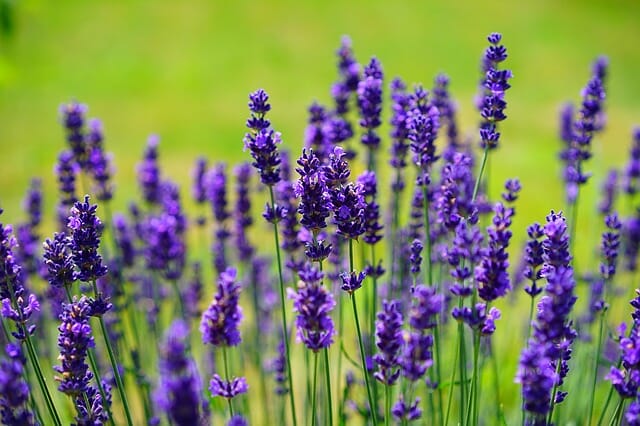
- Lavender – This is a great multipurpose herb to grow. Not only is it a calming aromatic, but it has antiseptic properties, assists with burns, can be used as a stress reliever, good for depression, aids skin health and beauty. Here are 15 more ways to use lavender medicinally.
- Peppermint – This aromatic herb is great for digestive aid, and dispels headaches. Peppermint tea will also assist in overcoming muscle spasms and cramps. Due to the camphor present in peppermint, if peppermint is applied to a wet washcloth it can externally relieve pain. This herb also helps clear sinus infections. Apply a large, warm peppermint pack to the sinus area.
- Onion – Onions might not be at the top of your healthy snack list, but you should make efforts to include them regularly in your diet, nonetheless. They help to fight insulin resistance, have anti-inflammatory, anti-fungal, and antibacterial uses, and are powerful antioxidants. They even help to relieve congestions. A time-tested effective cough syrup can also be made from onions. Read more about onion’s health benefits.
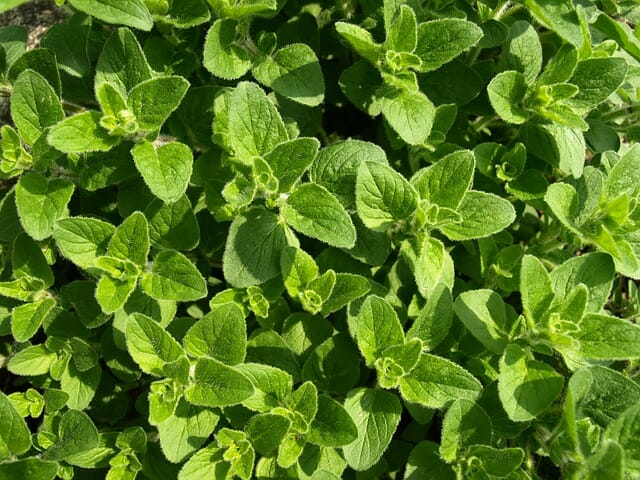
- Oregano – This little herb works as a savory culinary herb and a potent medicinal herb, as well. Most importantly, it is a powerful antibiotic and has been proven to be more effective in neutralizing germs than some chemical antibiotics. It has been effective against germs like Staphylococcus aureus, E. coli, Yersinia enterocolitis and Pseudomonas aeruginosa. An extract of its essential oil can be made to treat fungal infections and skin issues like dandruff, dermatitis, psoriasis and eczema. Carvacrol and thymol, the powerful enzymes in oregano, help to combat fungal and bacterial infections.
- Rose hip – Not only are roses beautiful, but they can assist in boosting our immunity, as well. Rose hips are high in vitamin C and if rosehips are made into a syrup it also”provides a welcome boost of vitamin D, something that should be welcomed when our exposure to sunlight is minimal and our vitamin D manufacture is at its lowest. Vitamin A is naturally present in the rose hips so pregnant women should seek medical advice before taking rose hip syrup.”
- Rosemary – This highly aromatic plant is used today in any number of organic products to help alleviate bone and muscle soreness, reduce anxiety and promote well-being.
- Sage – It’s anti-inflammatory properties also make this an effective herb. This herb can also be used in aiding anxiety, nervous disorders, used as an astringent. There are aromatherapy qualities to this herb and have been known to lift depression. Rubbing the sage leaves across the teeth can be used to effectively clean the teeth and assist in bad breath. American Indians used this herb as a fever reducer. Sage has antiseptic properties and the leaves can be chewed to cleanse the system of impurities or made into a tea. Sage has also been known to assist with hot flashes associated with menopause. If a person has stomach troubles, cold sage tea can be used to alleviate the symptoms. Sage can also be used to treat the flu. Using the tea before and during any type of epidemics and to hasten healing during a flu attack. Sage leaves can be wrapped around a wound like a band-aid to help heal the wound faster.
- Thyme – I have multiple thyme plants in my garden and allow them to creep over rocks in my garden. Thyme can help alleviate gastric problems such as wind, colic and bad breath, helps with bronchial disorders, shortness of breath and symptoms related to colds. If it also effective in fighting sore throat and post nasal drip. If a person has whooping cough, make a syrup of thyme tea and honey to help treat the disease. Thyme can also be used to treat a fever.
- Toothache plant – My medicinal garden wouldn’t be complete without some dental aides too. The toothache plant has a powerful numbing effect and works great for inflammation of the gums, lips, and mucous membranes of the mouth, and it can be used as toothpaste. It can also be used to alleviate those with asthma and allergies. It also is a powerful antimicrobial and anti-inflammatory. The toothache plant also contains B-Sitostenone it also lowers blood sugar. Other notable qualities are that it lowers blood pressure, chronic fatigue and is a natural pain reliever to all parts of the body.
- Yarrow – This plant was a favorite among Native American tribes who would use it to control bleeding, heal wounds and infections. It can also be effective in cleaning wounds and to control bleeding caused by puncture wounds, lacerations, and abrasions.
Don’t feel handcuffed to using only these herbs in your garden. Think about what future health issues you may have to deal with and plan(t) for them. Even tobacco has its medicinal uses. There are also medicinal weeds that you may want to locate in your yard and cultivate for the future.
Once you get your medicinal garden going, start experimenting with making your own medicinal pantry. Here are some ideas:
In the future, I plan on adding mullein, plantain, marshmallow and some cayenne peppers. What medicinals are you growing in your garden? Share them in the comments section to help our community!