Showing posts with label essential oil. Show all posts

Tuesday, April 10, 2018

Make Your Own Whipped Vapor Rub

Make Your Own Whipped Vapor Rub | whipped-cream | Natural Medicine Special Interests


I grew up with Vick’s VapoRub always being present in my childhood medicine cabinet. When I was feeling under the weather, my mother would rub this on my chest, and almost immediately, the mentholated fumes would start working their magic.


I decided to make my own whipped version of this old-fashioned herbal ointment using natural ingredients and couldn’t be more pleased with the end result. By whipping the coconut oil and shea butter together it created a soft texture that rubs on smoothly. And, since this was such a simple recipe, I had to share it!


Alleviate Cold and Cough Symptoms with Essential Oils


Ensure that the essential oils you purchase are therapeutic grade oils. The essential oils I used were ones that were decongestants, helped relieve symptoms associated with cold and flu symptoms, and possessed antimicrobial properties.


  • Camphor essential oil acts as an antispasmodic, antiseptic, decongestant, anesthetic, anti-inflammatory, disinfectant, calms and gently sedates.

  • Eucalyptus essential oil is antimicrobial, as well as an expectorant, making it a good oil to use for respiratory issues.

  • Peppermint essential oil is antibacterial, soothes pain and has anti-inflammatory properties. The menthol cools and refreshes.

  • Lavender essential oil is soothing and promotes sleep.

  • Tea tree essential oil is antimicrobial, making it a good addition to this rub if the chest congestion is the caused by some sort of pathogen.


A Special Note: If you plan on making a Vapor rub for children to use, reduce the essential oil amounts by half. The essential oils listed in the recipe below can be harmful to youngsters. It has ingredients that act as irritants which the body reacts to by producing even more mucous. Reducing the essential oil amounts and using small amounts on children will help reduce the reaction.


 Vapor Rub


  1. In a mixer ( I use an immersion hand mixer), whip coconut oil and shea butter together until combined. About 45 seconds.

  2. Stop mixer and use spatula to bring whipped mixture to middle of bowl.

  3. Add the essential oils to whipped butter mixture and slowly stir to blend. Note: Reduce essential oils by half if vapor rub will be used on children.

  4. Pour mixture into clean containers and add lid.


To use: Rub a small amount on the chest as needed to relieve congestion and reduce coughing.


Also, try these vapor bath blocks to add to your bathwater. The essential oils in the bath blocks create a powerful bond and helps to ease symptoms through aromatherapy; especially those of the upper respiratory tract, nose and sinuses. Additionally, the baking soda in these bath blocks assists your body in purging toxins and softens the skin.


The post Make Your Own Whipped Vapor Rub appeared first on The Sleuth Journal.

Thursday, March 1, 2018

How To Make Lavender Lemonade To Get Rid Headaches And Anxiety

How To Make Lavender Lemonade To Get Rid Headaches And Anxiety | Lavender-Lemonade-6 | Natural Medicine Special Interests


So many people suffer from anxiety and headaches these days. I believe this to be a mixture of our lifestyles and many of the changes that are taking place in our world that are pushing people to question what we’ve been doing as a society repetitively for many years. You know what I mean… that feeling that there is something more than just going to work, making money, coming home, eating and repeating it all. It may sound cliche, but it’s evident.


Deep down we can feel it, that something isn’t quite “right” with our world anymore and there’s a certain sense of freedom from it all that is calling us from deep within ourselves. Not knowing what that feeling is exactly or what to do, we sometimes will feel anxiety or overwhelm as we look at our lives. How do we deal with these things? There are a number of actions we can take to address the core issue which you can explore here. But I also wanted to share something simple that can aid us while we are making the more long-term adjustments.


Lavender Lemonade


Pure lavender oil is an incredible essential oil to use for your own health and wellness. It’s among the gentlest of essential oils, but also one of the most powerful, making it a favorite of households for the healing properties and uses of lavender essential oil. Lavender oil  has a chemically complex structure with over 150 active constituents, which explains its effectiveness at helping with a lot of health ailments. Lavender oil possesses amazing anti-inflammatory, anti-fungal, antidepressant, antiseptic, antibacterial, antimicrobial, antispasmodic, analgesic, detoxifier, hypotensive, and sedative properties.


Florida researchers have found that lavender oil benefits include reducing anxiety and lowering pulse rates in nursing students taking stressful tests. And in hospital settings, lavender aromatherapy has been demonstrated to decrease pre-surgery distress and to be more relaxing than massage or merely resting.(1)


Lavender essential oil has medicinal properties as well. It has been shown to reduce depression, improve insomnia and ease labor pains. And anecdotal evidence suggests that lavender oil benefits those with headaches, hangovers, sinus congestion and pain relief.


“Much prior research on lavender has focused on the administration of lavender via an olfactory route. The anxiolytic activity of lavender olfaction has been demonstrated in several small and medium-sized clinical trials.46-53 The efficacy of aromatherapy of lavender is thought to be due to the psychological effects of the fragrance combined with physiological effects of volatile oils in the limbic system.54 These calming effects of lavender oil and single constituents may be the origin of the traditional use of lavender. Lavender oil olfaction has been shown to decrease anxiety, as measured by the Hamilton rating scale,51 and can increase mood scores.


The following are selected examples of clinical trials on lavender aromatherapy:


  • Dunn and colleagues demonstrated anxiolytic activity of lavender oil aromatherapy in patients in intensive care units. Subjects received at least 1 session of aromatherapy with 1% lavender essential oil. Significant anxiolytic effects were noted in the 1st treatment, though 2nd and 3rd treatments did not appear to be as effective.47

  • Alaoui-Ismaili and colleagues found that the aroma of lavender is considered by subjects to be very pleasant and is correlated with changes in the autonomic nervous system.56

  • Tysoe and colleagues conducted a study of lavender oil in burner use on staff mood and stress in a hospital setting. A significant number of respondents (85%) believed that lavender aroma improved the work environment following the use of the lavender oil burners.57

  • Diego and colleagues demonstrated that people receiving lavender oil (10%) olfaction for 3 minutes felt significantly more relaxed and had decreased anxiety scores, improved mood and increased scores of alpha power on EEG (an indicator of alertness), and increased speed of mathematical calculations.58

  • Lewith and colleagues investigated the effects of lavender aromatherapy on depressed mood and anxiety in female patients being treated with chronic hemodialysis.59 The effects of aromatherapy were measured using the Hamilton rating scale for depression (HAMD) and the Hamilton rating scale for anxiety (HAMA). Lavender aroma significantly decreased the mean scores of HAMA, suggesting an effective, noninvasive means for the treatment of anxiety in hemodialysis patients.

  • Lavender aromatherapy, with or without massage, may also reduce the perception of pain and the need for conventional analgesics in adults and children, though more rigorously controlled trials are needed.60″ (2)


DIY Lavender Lemonade with Lavender Essential Oil


Ingredients


  • 1 cup raw honey

  • 12 cups pure water

  • 1 drop lavender essential oil

  • 6 lemons, peeled and juiced

  • Lavender sprigs for garnish


Directions


Mix all ingredients together and chill. Add more water or raw honey if needed.


Other ways you can use Lavender Oil for Anxiety and Headaches


  • Mix 5 to 6 drops of Lavender essential oil to your bath water if you have dry skin.

  • Diffuse 10 to 12 drops of Lavender into the air during your workday for natural stress relief.

  • Add 2 drops of Lavender per ounce of your favorite lightly scented, unrefined organic oil (like almond oil or olive oil) for a body oil with all the benefits of lavender for improving your skin, relaxing your mind, warding off insects or helping you sleep.


Sources:


http://www.ncbi.nlm.nih.gov/pubmed/22517298


1. Wittchen HU, Hoyer J. Generalized anxiety disorder: nature and course. J Clin Psychiatry. 2001;62 Suppl 11:15-19; discussion 20-21.

2. Ohayon MM, Shapiro CM, Kennedy SH. Differentiating DSM-IV anxiety and depressive disorders in the general population: comorbidity and treatment consequences. Can J Psychiatry 2000;45:166-172.

3. Lawrence AE, Brown TA. Differentiating generalized anxiety disorder from anxiety disorder not otherwise specified. J Nerv Ment Dis. 2009;197:879-886.

4. Bandelow B, Zohar J, Hollander E, et al. World Federation of Societies of Biological Psychiatry (WFSBP) guidelines for the pharmacological treatment of anxiety, obsessive-compulsive and posttraumatic stress disorders-first revision. World J Biol Psychiatry. 2008;9:248-312.

5. Longo LP, Johnson B. Addiction: Part I. Benzodiazepines—side effects, abuse risk and alternatives. Am Fam Physician. 2000;61:2121-2128.

6. Preskorn SH . Comparison of the tolerability of bupropion, fluoxetine, imipramine, nefazodone, paroxetine, sertraline, and venlafaxine. J Clin Psychiatry. 5;56 (Suppl 6):12-21.

7. Trindade E, Menon D, Topfer LA, Coloma C. Adverse effects associated with selective serotonin reuptake inhibitors and tricyclic antidepressants: a meta-analysis. CMAJ. 1998;159:1245-1252.

8. Andrews G, Carter GL. What people say about their general practitioners’ treatment of anxiety and depression. Med J Aust. 2001;175 (Suppl):S48-S51.


H/T: Complete Health & Happiness


The post How To Make Lavender Lemonade To Get Rid Headaches And Anxiety appeared first on The Sleuth Journal.

Guide To Using Citrus Oils For Wintery Ailments

Guide To Using Citrus Oils For Wintery Ailments | citrus-fruit | Natural Medicine Special Interests


Essential oils are used in the practice of aromatherapy for certain health problems. Citrus oils are light, uplifting oils that are particularly useful as the darker winter months approach. Although we traditionally think of warming oils, such as ginger and nutmeg, for winter ailments, citrus oils can uplift your mood and remind you of the warmer summer months!


Orange Essential Oil


There are various types of orange oil; these include bitter orange, sweet orange, orange blossom and petitgrain essential oils. However, both bitter orange (Citrus aurantium var. amara) and sweet orange (Citrus sinensis) oil are the traditional citrus oils. Bitter orange and sweet orange are obtained from similar trees, although the sweet orange tree is smaller than the bitter orange tree. The fruits of the bitter orange tree are smaller than the fruits from the sweet orange tree. Both oils, which are obtained by expression of the fruit, have a sweet, orange aroma. Orange essential oil is useful for stress, colds and flu.


Lemon Essential Oil


Lemon (Citrus limon) oil is also obtained by expression of the fruit from the lemon tree. Lemon is a light, uplifting aroma. It has several properties but is especially useful for the treatment of colds, flu and infections. Lemon is traditionally found in many over-the-counter remedies.


Grapefruit Essential Oil


Grapefruit (Citrus x paradisi) oil is not as well known as lemon or orange oil but it also has several aromatherapy uses. Grapefruit is a hybrid of Citrus maxima and Citrus sinensis. It is also obtained by expression of the fruit from the grapefruit tree. You can use grapefruit oil in a similar way to both lemon and orange oils. In addition, grapefruit is recommended for depression and nervous exhaustion.


Lime Essential Oil


Lime (Citrus aurantifolia) is sometimes used in place of lemon oil because the two oils share similar properties. Lime oil is extracted by expression of the fruit of the lime tree, although there is a distilled variety available too. Use lime oil for winter ailments such as colds, flu and infections.


Mandarin Essential Oil


Mandarin (Citrus reticulata) oil is often confused with orange oil, as the two fruits look very similar. Mandarins originated from the Far East and were brought to Europe and North America in the 19th century. In North America, mandarin is known as tangerine, although the tangerine species is slightly different in appearance than the European mandarin. Both oils are useful for insomnia, nervous disorders and digestive problems.


How to Use Citrus Oils for Winter


You can use citrus oils for winter problems in a couple of ways, depending on the type of problem. An aromatherapy diffuser is a good idea if you want to disperse the fragrance around a room to create an uplifting aroma or dispel cold and flu symptoms. However, for more specific cold and flu problems, use citrus oils in a massage oil. You can also use citrus aromatherapy candles; just make sure that they contain true essential oils and not fragrance oils, as fragrance oils have no therapeutic properties.


Cautions for Using Essential Oils


The majority of citrus oils are photo-toxic, which means that your sensitivity to sunlight increases, if you use them directly before going out into sunlight. However, citrus essential oils that are distilled are usually not photo-toxic. In addition, sweet orange essential oil is not known to be photo-toxic. If you are unfamiliar with the use of essential oils, consult a qualified aromatherapist for further advice before using them. Consult a medical practitioner also, if you have a health condition that may present contraindications for use (such as high blood pressure, pregnancy etc).


Citrus Oils for Winter


Citrus oils are an uplifting alternative to more traditional winter oils. They have several properties that help with common winter problems – and remind us that the warm days of summer may be gone for now, but the aroma still lives on!


The post Guide To Using Citrus Oils For Wintery Ailments appeared first on The Sleuth Journal.

Saturday, December 9, 2017

Holidays Got You Stressed? Try These Essential Oils

Holidays Got You Stressed? Try These Essential Oils

Image source: napervillemagazine.com


The Christmas season is supposed to be a joyful time, filled with warmth, love and memories. But for many people, it can be quite overwhelming. All of the shopping, commitments, to-do lists and cooking can take a toll on us physically, mentally and spiritually.


For those of us who prefer to manage our health naturally, essential oils can help us keep our spirits up and maintain our energy during this very busy season of the year.


Here are some common conditions and the oils that have been found to provide relief:


Anxiety. Who hasn’t felt overwhelmed and anxious at one time or another, especially during the holidays? Rather than having an anxiety-filled season this year, why not use the following oils to help you stay relaxed even when the pressure is on?


Suggested oils for mild anxiety: Lavender, orange, lemon, roman chamomile, valerian, melissa, copaiba, ylang ylang, angelica, basil, bergamot, cedarwood, clary sage, cypress, frankincense, geranium, hinoki, hyssop, jasmine, juniper, lime, marjoram, onycha, patchouli, pine, rose, sandalwood, tangerine and tsuga (grounding).


The Hidden Secrets Of Making Herbal Medicines … Right At Your Fingertips!


Sadness. Many of us feel sad and overwhelmed with various issues at this time of year, such as relationship conflicts, loneliness and feeling socially disconnected. The following oils may help improve your mood and help you face the holiday season with greater joy and peace.


Suggested oils for mild sadness: Frankincense, lavender, lemon, orange, bergamot, ylang ylang, rosemary rosewood, tangerine, grapefruit, jasmine, neroli, sage, basil, clary sage, geranium, ginger, juniper, onycha, patchouli, pepper, ravintsara, roman chamomile and sandalwood.


Holidays Got You Stressed? Try These Essential Oils

Image source: Pixabay.com


Stress and the holiday season often go hand-in-hand. The following oils may help you feel much less stressed throughout the holidays, and enjoy the activities that you engage in more: lavender, ylang, ylang, bergamot, lemon, basil, clary sage, cypress, elemi, frankincense, geranium, grapefruit, marjoram, neroli, onycha (benzoin), pine, Roman chamomile, rosewood, spruce and tangerine.


Lack of energy. With all of the activity during the holidays it’s very easy to get tuckered out. While it is critical to prioritize and say “no” to unnecessary activities, the following oils can help increase your energy and get you through a busy day.


Suggested oils to help increase energy: Fir, peppermint, basil, black pepper, cypress, eucalyptus, juniper, lemon, lemongrass, myrtle, nutmeg (increases), orange, palo santo, rosemary, thyme and grapefruit.


Hangovers. Have a little too much to drink at the holiday party last night? Try the following oils to help revive you: lemon, grapefruit, fennel, lavender, rose, rosemary and sandalwood.


Headaches. Don’t let a pounding headache rule or ruin your day. Try these oils to halt a headache in its tracks: peppermint, rosemary, basil, calamus, cardamom, clove, cumin, eucalyptus, frankincense, lavender, marjoram and sage lavender.


Digestive system. Got tummy troubles from eating too much at your family holiday gathering? Try these oils to help with digestive discomfort and indigestion: peppermint, ginger, lavender, thyme, grapefruit, orange, angelica, cardamom, copaiba, coriander, cumin, goldenrod and ginger.


Sleep. Need some help getting to sleep and staying asleep while waiting for Santa’s arrival? Try lavender (apply on the spine), valerian (for sleep disturbances), marjoram, and roman chamomile oils.


When choosing an essential oil be sure to use only therapeutic-grade oils, which are the highest quality and the most effective. Using low quality essential oils may not only be ineffective for the results that you are seeking, but they also may be harmful because they can contain chemicals and solvents.


As always, consult with a health practitioner to determine if essential oils are right for you and for your personal health condition(s). Not all essential oils are right for everyone, and those with serious health conditions should work with a qualified healthcare practitioner to determine the best solution for them.


What essential oils would you add to this list? Share your advice in the section below:


Harness The Power Of Nature’s Most Remarkable Healer: Vinegar

Monday, August 28, 2017

10 Uses For Galbanum Oil — The ‘Miracle Oil’ Of The Romans

10 Uses For Galbanum Oil -- The ‘Miracle Oil’ Of The Romans


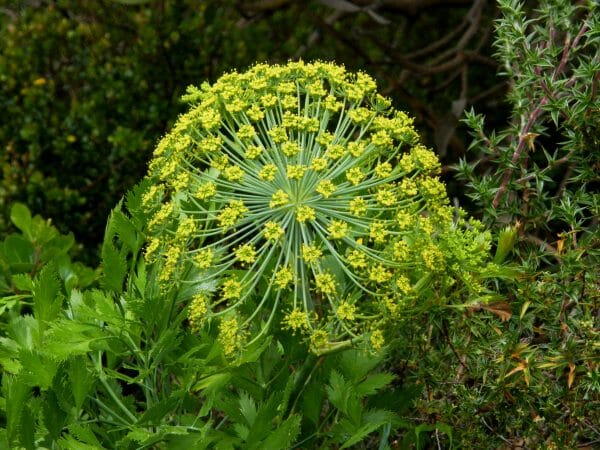
If you’ve never heard of galbanum oil, you’re not alone. It’s been used for thousands of years since Roman times for a diverse group of applications, from incense to embalming. But despite its history and its fresh, green “forest” aroma, galbanum is an under-the-radar essential oil.


Taken from the Ferula galbaniflua plant, galbanum oil is made by steam distillation of the plant. Galbanum is native to northern Europe and northern Africa, and originated in Iran. The Levant, or “soft” variety, is used to make most of the oil, since it yields more during the extraction process. Mentioned in the book of Exodus, galbanum also was used by the Egyptians for skin preparations and cosmetics. The oil’s main components are cadinene, cadinol, myrcene and pinene.


What can galbanum oil do for you? Its medicinal properties are numerous:


  1. Wounds: heals skin, including scars, boils, blisters and acne.

  2. Relieves chest congestion due to bronchitis and other upper-respiratory ills.

  3. Increases circulation in the body, helping with arthritis, rheumatism and circulation-related issues.

  4. Stimulates the circulation of lymph in the body.

  5. Increases growth of new tissues and cells.

  6. Skin: tightens and firms, eradicates wrinkles (in mature skin), helps with stretch marks and other aging-related skin problems.

  7. Relaxes muscles prone to spasms, and relieves associated pain.

  8. Promotes better sleep.

  9. Supports immune system functioning.

  10. Calming: helps with recovery from depression, shock and trauma (via aromatherapy, including PTSD).

Used topically, you should dilute it with a carrier oil and apply it wherever needed. Never use it undiluted on your skin. Carrot seed, geranium, lavender, spruce and rose otto are great carrier oils. For inhalation, add three to four drops into an essential oil diffuser, or dilute it with essential water to inhale.


Get All-Natural Headache Relief With No Nasty Side Effects!


Galbanum also can help keep bugs out of your house. It’s particularly good at deterring ants, roaches, mosquitoes, flies, fleas, lice and bed bugs.


Galbanum is FDA-approved as safe for food flavorings and additives. The best types to use are either food-grade or therapeutic-grade to avoid petrochemical additives. Galbanum also can be blended with other essential oils to make perfumes.


But as with any essential oil, you must carefully follow prescribed doses and not exceed them—more is not always better. Keep this and all essential oils out of your eyes, and away from mucous membranes or other sensitive skin. You should not take galbanum internally, unless you are working with a healthcare practitioner who prescribes it. No adverse reactions are known, but an allergen skin test is a good idea before you use it the first time.


While balbanum isn’t the most popular essential oil, its many benefits can replace a host of more expensive products and pharmaceuticals. Used with care, you may find you can’t live without galbanum in your medicine cabinet.


Have you ever used galbanum oil? Share your thoughts on this oil in the section below:

Saturday, August 12, 2017

Rosemary: The Essential Oil That Fights Arthritis, Anxiety And Hair Loss — And Kills Bugs, Too

The Essential Oil That Fights Arthritis, Anxiety And Hair Loss -- And Kills Bugs, Too

Image source: Pixabay.com


Rosemary essential oil is one of my most utilized essential oils, and is beneficial in so many ways.


I use it daily for multiple purposes, such as a hair conditioner, a facial cleanser, a mouthwash, a way to combat anxiety, and even as a pesticide in my garden.


It turns out, I am not alone in enjoying rosemary. Historically, the rosemary plant was considered sacred by numerous cultures. Branches and leaves of rosemary were burned as incense, as its high content of essential oil created a superbly fragrant smoke. The potent smoke supposedly was used as a fumigant to drive away evil spirits and to protect against plague and infectious illness. It also was used as a healing herb and as a traditional culinary favorite.


Today, the essential oil is steam distilled from the rosemary plant and has a powerful effect as one of the freshest and most pungent essential oils. Its aroma is instantly youthful and deliciously herbaceous with camphorous, woody-balsamic and evergreen undertones.


Learn How You Can Make Powerful Herbal Medicines, Right in Your Kitchen!


It is said that rosemary essential oil will awaken the fire of creativity in your heart, encouraging inspiration. It will ignite your passion for life and will help give you the vision to follow your path bravely.


I have made a practice of using rosemary essential oil daily and over time have come up with some incredible homemade ideas and recipes.


1. Homemade hair conditioners for greasy hair, dry hair, hair loss and dandruff


Rosemary essential oil will enhance the overall condition of your hair. It can be used alone with sweet almond oil to condition and to promote healthy hair growth. I use sweet almond oil as the base carrier oil because it is nutrient rich. Other essential oils can be added to the mix to create recipes for specific conditions. You will want to add 5 drops of essential oil per 1 fl oz. of carrier oil. Double the ratio for longer or thicker hair. Massage the mixture into your scalp and evenly through your dry hair. Towel wrap, and leave in for five minutes or longer before rinsing.


Recipe for Greasy Hair


  • Base: 1 fl oz. sweet almond oil

  • 2 drops rosemary essential oil

  • 2 drops bergamot essential oil

  • 1 drop lavender essential oil

Recipe for Dry Hair


  • Base: 1fl oz. sweet almond oil

  • 2 drops rosemary essential oil

  • 2 drops geranium essential oil

  • 1 drop lavender essential oil

Recipe for Preventing Hair Loss


  • Base: 1 fl oz. sweet almond oil

  • 2 drops rosemary essential oil

  • 3 drops clary sage essential oil

Recipe for Dandruff Control


  • Base: 1 fl oz. sweet almond oil

  • 2 drops rosemary essential oil

  • 3 drops eucalyptus essential oil

2. Relieve the symptoms of anxiety


Anxiety is caused by everyday stresses and strains, demands, upsets and worries of life. The symptoms range from nervousness, shortness of breath, rapid heartbeat and tense muscles, to insomnia, low resistance and then depression. Essential oils can help with anxiety by reducing negative feelings, relaxing the mind and body and soothing both mood and emotions.


The Essential Oil That Fights Arthritis, Anxiety And Hair Loss -- And Kills Bugs, Too

Image source: Pixabay.com


I have found rosemary essential oil to be perfect for reducing my symptoms of anxiety.


To help release tension and nervousness, place a few drops of rosemary essential oil onto a tissue and deeply inhale for several minutes. You can easily carry a small vial around with you during the day and at the slightest onset of anxiety, take a timeout to inhale the calming fragrance.


There are other ways to use it:


Aromatherapy with an Air Diffuser or Vaporizer


Find an electric vaporizer or eiffuser and add water with a few drops of rosemary essential oil. A traditional oil burner with a candle will also vaporize the essential oil into the air.


Add to steaming bath water


Several drops of rosemary essential oil added to your bath water will cause the steam to vaporize the essential oil into the air, allowing for a calming and uplifting scent to fill your bath area. The added essential oil will also absorb into your skin this way, resulting in a calming effect and will relieve tense muscles. Light a few candles to create a peaceful ambiance in your bath area.


3. Clear your mind, reduce mental fatigue, enhance your memory, and stimulate the central nervous system


Rosemary essential oil can help reduce mental fatigue by stimulating the central nervous system. Studies show that rosemary essential oil enhances memory, clears the head, and aids the thought process.


I find these recipes to be extremely helpful:


Revive Mental Clarity and Reduce Fatigue


Vaporize:


  • 4 drops rosemary essential oil

  • 2 drops peppermint essential oil

  • 4 drops grapefruit essential oil

Renew Enthusiasm for your Work or Studies


Vaporize:


  • 5 drops rosemary essential oil

  • 5 drops lemon essential oil

4. Reduce the symptoms of arthritis, joint inflammation and sore muscles


The Essential Oil That Fights Arthritis, Anxiety And Hair Loss -- And Kills Bugs, Too

Image source: Pixabay.com


Arthritis is the painful swelling, inflammation and stiffness of the joints. Rosemary essential oil is anti-inflammatory, so it can help relieve the symptoms. Rosemary essential oil is also an analgesic and a warming oil. It will soothe and warm sore muscles.


Reduce Symptoms of Arthritis and Join Inflammation


  • 4 tsp. coconut carrier oil

  • 5 drops rosemary essential oil

  • 5 drops wintergreen essential oil

  • Massage into affected areas

Stimulate and Warm Aching Muscles


  • 4 tsp. sweet almond oil

  • 4 drops rosemary essential oil

  • 4 drops peppermint essential oil

  • 2 drops vetiver essential oil

  • Massage into aching muscles

5. Use as a natural facial cleanser


Rosemary essential oil is a natural face cleanser because of its antibacterial and antioxidant properties. You can use rosemary essential oil neat, without diluting it, in small quantities. If you find that it does irritate your skin, dilute with castor oil or coconut oil. Add a drop or two onto a cotton round and wipe in an upward motion. It will unclog your pores, kill existing bacteria, and keep new bacteria from growing. The antioxidant properties will improve the overall condition of your skin.


6. Use as an all-natural, homemade mouthwash


Alcohol-based mouthwashes dry and upset the delicate balance of the good bacteria found inside your mouth. A homemade mouthwash using rosemary essential oil is both gentle and more effective.


Fast, All-Natural Pain Relief With No Nasty Side Effects!


Rosemary essential oil has antimicrobial properties and will kill the bad bacteria which is responsible for bad breath, gum disease and tooth decay.


Recipe for Homemade Mouthwash


  • 1 cup distilled water

  • 20 drops rosemary essential oil

  • 10 drops peppermint essential oil (adjust for taste)

  • Shake well before each use. Swish around the inside of your mouth for at least one minute. Spit out, and do not swallow.

7. Use in your garden as an all-natural pesticide


Commercial pesticides are full of harmful chemicals even if the label says that they are not. They are bad for the environment, your health and for your garden. I have created a mixture that will kill pests and will stop the growth of fungus on your garden plants. By using a natural pesticide, you can ensure the healthy eating of your favorite garden veggies.


Create a Homemade Pesticide for your Garden


Ingredients:


  • Spray bottle with water

  • 12 drops rosemary essential oil

  • 12 drops thyme essential oil

  • 12 drops peppermint essential oil

  • 12 drops clove essential oil

  • Shake well before each use. Spray on and around your plants.

I hope you enjoy all of these incredible uses for rosemary essential oil.


What are other ways you use rosemary essential oil? Share your tips in the section below:


Harness The Power Of Nature’s Most Remarkable Healer: Vinegar

Friday, July 14, 2017

23 Awesome Uses For Lemongrass Essential Oil

23 Awesome Uses For Lemongrass Essential Oil | lemongrass | Natural Medicine Special Interests


Anyone who has used essential oils for a period of time will find that they reach for the same tried and true oils over and over again.  In my case, there are the go-to standards lavender, peppermint, rosemary and frankincense but in addition, there is Lemongrass.


Three years ago, I thought lemongrass was an herbal plant used in tea and in Asian cuisine.  While I still enjoy a soothing cup of lemongrass and ginger tea, these days lemongrass essential oil serves an important role in my first aid kit as well.


The lemongrass genus has over fifty different species worldwide, but only some of the species are suitable for utilization as essential oil.  The two most commonly used in essential oils are are Cymbopogan citratus and Cymbopogan flexuosus.


Historically, lemongrass has been used to treat fevers, inflammation and indigestion as well as a sedative. These days, it is used for an armload of other ailments as well as for purification and odor control.  Today I share 23 uses for lemongrass essential oil that will set you a a path of wellness.


How is Lemongrass Essential Oil Used?


Lemongrass is effective in resolving a number of first aid woes. It has anti-microbial properties and is also an anti-inflammatory.  As a powerful analgesic, it offers immediate topical pain relief and reduces inflammation.  In addition, it is  antibacterial and antimicrobial which means it can prohibit bacterial growth and it is effective in controlling a fever caused by infection.


With its strong lemony scent and earthy, grassy undertones, it is also effective in aromatherapy and especially when used in a diffuser. If you drink lemongrass tea like I do, that will make perfect sense since the aroma of even the tea is quite lingering.


Used topically, a carrier oil is usually recommended as lemongrass is one essential oil that can cause sensitivity or irritation if utilized undiluted on the skin, or “neat”.  A common dilution is 2 drops of lemongrass to 1 teaspoon of a carrier oil but this is considered just a guide line and is quite conservative.  Still, this 2% dilution is a good starting point especially when using lemongrass for the first time.


23 Uses for Lemongrass Essential Oil in the First Aid Kit


1. Muscle and tendon relaxer:  When muscles and tendons tighten up, an application of lemongrass essential oil will typically bring immediate relief.  It works extremely quickly on those “knots” and spasms that can come on very quickly in the middle of the night.


2. Headache relief:  When it comes to headaches, and especially allergy-related headaches, lemongrass is a super star. It is also useful for individuals who are sensitive to Peppermint essential oil which is usually the recommended EO for headaches.


3. Arthritis joint pain:  Lemongrass works well to resolve joint pain and works especially well when mixed with Birch EO and Geranium EOs.  (See Birch Essential Oil for Arthritis, Muscle and Joint Pain.)   Since the use of birch essential oil is not recommended for people on blood thinners, lemongrass is an effective alternative.  That said, layering “the Birch” over lemongrass works surprisingly well to relieve deep joint pain.


4.  Pulled muscles:  By treating the inflammation created by a pulled muscle, lemongrass essential oil can bring immediate relief.  (An easy peasy pain relief formula is shown below).  This will also work on tender bruised areas.


5. Shock:  If you feel that someone is in shock, add 1 or 2 drops to a cotton ball and place the infused cotton ball under the nostrils.  Do this as soon as possible then, if you can, summon medical help.


6.  Treat wounds:  Blend a few drops with Witch Hazel or Saline to flush wounds. Afterward, blend with some BDS Simple Salve for an antiseptic application. Apply a bandage or gauze to the wound to keep it clean and free from dirt.


7. Heartburn:  Spread a couple of drops mixed with a carrier such as coconut oil or BDS Simple Salve over the throat and chest area to relieve heartburn.


8.  Indigestion:  A drop or two massaged into the abdomen will assist digestion and relieve the symptoms of indigestion..


9.  Sprains and sports injuries:  Lemongrass essential oil will treat both the pain and inflammations associated with sprains and sports injuries.


10.  Reduce fevers:  Use lemongrass to help fight the infection that causes fevers and also to keep the toxins from spreading. To use, blend with your basic Simple Salve (or even plain coconut oil) and apply to the back of neck, chest area, and the bottom of feet.


11.  Flea repellant: Lemongrass will repel fleas.  For dogs, apply to a piece of cloth (such as a bandana) or collar.  Since cats are more sensitive to essential oils in general, check with your veterinarian before using any essential oil on your kitty.


12.  Insect repellent: Insects don’t like lemongrass!  Apply to the edges of your clothing edges to repel climbing insects like ticks, or to exposed skin to repel mosquitos and other flying biting bugs. Just remember to dilute with a bit of carrier oil or salve when applying directly to the skin.


13.  Acne: Lemongrass is a mild astringent and is also antimicrobial. To help clear up acne, add one drop  to a carrier oil and dab on to affected areas once or twice a day.


14.  Athlete’s Foot:  Athlete’s foot is fungal skin infection and lemongrass can help address it. Utilize a drop of lemongrass in a carrier oil of salve, and rub on the feet a few times a day. If you wear shoes most of the day, try rubbing it on first thing in the morning, as soon as your shoes come off, and again before bed.


15.  Oily skin:  Utilize lemongrass in the same manner as that for acne, or utilize a drop in warm water as a skin rinse. The astringent properties of lemongrass have a naturally drying effect, without the potential over dryness caused by stronger astringents.


16. Stress relief:  One of the best ways to use lemongrass essential oil to relieve stress is via aromatherapy. Add 5 to 6 drops to your diffuser, or put a drop on your palms and inhale the scent. You can also put a drop on a cloth, or pillow for nighttime or travel aromatherapy.


17.  Fatigue:  Like stress relief, you can use lemongrass essential oil aromatically to mitigate fatigue.  A diffuser or even a few drops on a cotton ball will work beautifully.  Topically, mix a drop or two with a carrier oil and either massage into your temples.


18.  Anti-depressant:  Use a few drops in a diffuser daily.  I find it works great at night while sleeping.


19.  Anti-bacterial cleaning products:  Use lemongrass in homemade cleaning products to reduce bacteria in your home.  You can also use it in a diffuser to reduce airborne bacteria.  See this article on making your own DIY cleaning products. As an added bonus, lemongrass has a wonderful, and uplifting aroma.  You home will smell fresh and inviting!


20. Reduce high blood pressure:  Lemongrass is a vasodilator and can help reduce high blood pressure by relaxing the blood vessels.


21.  Water retention: The diuretic properties of lemongrass can help clean and flush toxic wastes out of the body.  This can be done via topical applications such as in a salve or by adding a drop to your glass of water or cup of tea.


Note:  normally I do not suggest ingesting essential oils although with high quality oils, the practice is safe.  Always do your own research and if in doubt, consult a physician first.


22.  Insomnia:  Applying lemongrass to the bottoms of your feet at night is calming and helps induce a deep sleep.  Sipping a cup of lemongrass tea also helps.


23.  Body odor:  Commercial deodorants often contain lemongrass.  If you are prone to body odor, adding a few drops of lemongrass essential oil to your moisturizing body lotion or salve will help combat unpleasant body odors.


Lemongrass Pain Relief Formula


I personally use lemongrass essential oil in a roller ball mixed with fractionated coconut oil to provide immediate relief to painful muscle and tendon cramps in my hands, feet, and calves.


Lemongrass Pain Relief Formula
10 to 15 drops of Lemongrass essential oil
Fractionated Coconut Oil (or other carrier oil)
10ML Roller Ball (about 2 teaspoons)


Optional:  Add 5 drops of Clove essential oil


Add the lemongrass to the roller ball then top with a carrier oil.  I use FCO (fractionated essential oil).  Shake well before each use then apply copiously. Rubbing the area gently will accelerate the relief.


I find that I get better results with the roller ball application but you could also make up a salve using 2 teaspoons of BDS Simple Salve (or other carrier) and up to 15 drops of essential oil.


Side Effects of Lemongrass


Although considered one of the safer oils, lemongrass should always be diluted before applying it to the skin.  Even with low dilutions, it can be an irritant to some people so use a conservative amount to begin with.  If in doubt, perform a patch test first.


As with all essential oils, lemongrass essential oil should be kept out of the reach of children and pets, and should not be used if pregnant or nursing unless approved in advance by a medical professional.


A Word About Carrier Oils


Using a carrier oil makes an essential oil application so much easier and less wasteful.  Although I personally prefer coconut oil or BDS Simple Salve (which you make yourself), feel free to experiment with olive oil, sweet almond oil, avocado oil, jojoba oil, or even an organic, unscented lotion.


Where to Purchase Lemongrass Essential Oil


Lemongrass essential oil is widely sold both online and in health food stores.  I personally purchase therapeutic grade Lemongrass from Spark Naturals.  Their quality standards are high and because they sell direct and not through a membership or MLM program, their prices are affordable.


Spark Naturals also carries a number of supporting carrier oils as well as accessories such as roller ball bottles, dropper tops and more. Furthermore, you can use the code BACKDOORSURVIVAL to get a 10% discount off your entire order.


The Final Word


It was close to two years ago that I tossed two drawers full of OTC remedies into a box in favor of essential oils.  To this day, I am still learning how to use the various oils to improve my health and to remedy everyday aches and pains.  Essential oils have become my band-aid of choice and not a day goes by when I don’t use them for one thing or another.


My own education continues.  A few months back I purchased a big fat book entitled “Essential Oils Desk Reference” and I use it almost daily.  If you can afford it, I highly recommend that you add this desk reference to your survival library.  Although it promotes another brand of oils, the information is presented in an unbiased manner and there is never a sales pitch one way or another.


It has been my pleasure to share this information about Lemongrass essential oil.  Over time, I will continue to share information on additional, less common, essential oils with a special focus on the less expensive, more affordable oils that can be purchased for $10 or less.


There are dozens of oils out there and I am convinced that we can all maintain our health and wellness during times of crisis with the proper selection of essential oils in our first aid kits.


Be well and stay safe!


Enjoy your next adventure through common sense and thoughtful preparation!

Saturday, April 22, 2017

How To Naturally Make An Essential Oil Diffuser (Plus Aromatherapy Oil Blends)

 How To Naturally Make An Essential Oil Diffuser (Plus Aromatherapy Oil Blends) | essential-oil-aromatherapy-diffuser | General Health


Aromatherapy has been shown to have a profound impact on lifting moods, purifying the air, and making a room smell great in the process.


This type of therapy interacts with the “emotional brain” or limbic system. During inhalation, odor molecules travel through the nose and affects the brain through a variety of receptor sites, one of which is the limbic system.


As much as I love to use my oil diffusers in many rooms of my home, I have begun to steer clear of the oil refills that are commercially sold as they contain artificial fragrances or the carrier oils are phthalate-laden and defeat the purpose of breathing in healthy aromas for therapy. Instead, I have found that mixing your own essential oil solution with a little vodka and a carrier oil can help you create a more natural, balanced, healthier oil solution to add to your diffusers.


Make Your Own Essential Oil Solution For Diffusers


Here’s what you need:


Because you will be combining oils, I recommend you purchase a set of essential oils. This is one of my favorite kits.


I have found that making your own essential oil diffuser is simple. All you need is a small container and a blending of your favorite oils. Ensure that the vessel you use has a small neck. This will help to prevent rapid evaporation of the essential oils. Here are some other ideas:


  • flower bud vase with a small neck

  • votive candle holders

  • ceramic vases or containers (ensure the vase is glazed inside so that it doesn’t leak)

  • empty spice jars

  • rattan reeds

A note on reeds: Rattan reeds are better to use than bamboo because the capillary action of the reeds pulls the oils up through the reed and the oil is slowly diffused into the air.


Also, an alternative to do-it-yourself oil diffusers is to consider using rice. Adding a small amount of rice to a bowl and pouring the essential oil liquid (listed above) over it will also create pleasing aromatic effect. The evaporation rate may be faster because the oils are exposed so openly, but it will work all the same. You can also make aromatherapy rice bags, as well. Here are instructions in creating this project.


Get in the Mood


Now that you know how to create essential oil liquid for your diffuser, now it’s time to get in the mood! We found the following list for essential oil combination blends used to balance moods and adapted them in order to add them to the diffuser. The originals to these blends can be found here.


1. Blends to Combat Anger


  • 12 drops Orange

  • 10 drops Patchouli

2. Anxiety Blend


  • 12 drops Lavender

  • 10 drops Clary Sage

3. Blends to Help with Depression


  • 12 drops Bergamot

  • 10 drops Clary Sage

4. Energizing Blends


  • 12 drops Bergamot

  • 10 drops Rosemary

5. Blends to Ease Loneliness


  • 10 drops Bergamot

  • 12 drops Clary Sage

6. Stress Relieving Blends


  • 10 drops Clary Sage

  • 4 drop Lemon

  • 4 drop Lavender

7. Blends to Ease the Winter Blues


  • 12 drops Orange

  • 8 drops Grapefruit

or


  • 12 drops Bergamot

  • 10 drops Clary Sage

8. Blends to Ease Fear


  • 12 drops Grapefruit

  • 10 drops Bergamot

9. Blends to Help Increase Confidence


  • 12 drops Orange

  • 10 drops Rosemary

10. Blends to Enhance Memory and Concentration


  • 12 drops Rosemary

  • 10 drops Lemon

or


  • 10 drops Peppermint

  • 12 drops Lemon

The next time you feel that your mood is”off” or that you want to enhance your memory try some of these essential oil combinations and see the positive effects. Aromatherapy is a natural way to improve and balance your moods and create a healthier environment.

Thursday, April 20, 2017

What Are Essential Oils? A Guide from Extraction to Uses

What Are Essential Oils? A Guide from Extraction to Uses | essential-oils | Natural Medicine Sleuth Journal Special Interests


Essential oils are the oil-based aromatic extracts derived from the leaves, stems, fruit, bark, flowers, roots, or seeds of plants. They are a highly concentrated form of volatile oils—another name for essential oils—and have many beneficial properties.[1] Historians estimate that humans have been using essential oils for 5,000 to 6,000 years for medicinal, cosmetic, and hygienic purposes. The earliest methods and technology did not produce the essential oils we are familiar with today. Whereas many of today’s essential oil producers focus on purity, the ancient versions were likely adulterated with stray plant materials, debris, and other oils. As time passed, extraction methods and technology improved. Let’s look more at how essential oils are created and the many ways they can be used.


How Are Essential Oils Created?


There are a few ways to create essential oils and the ideal extraction process is determined by the oil’s source and how well it’s phytoconstituents respond to extraction. Distillation and using solvents are the most popular ways to extract essential oils. Plants or oils that are too delicate for distillation must be expressed, mechanically crushed, or extracted using solvents. Others, like whole citrus fruits, may be mechanically rolled over needles that puncture and release essential oils, a process known as the ecuelle or scarification method.[2]


Distillation


When using the distillation method, there are three distinct ways to obtain oils: water distillation, water and steam distillation, and steam distillation. Pure steam distillation is the most gentle of the distillation extraction methods. In water distillation, the plant material is boiled, and the essential oils are decanted off the water. Water-steam distillation involves both boiling and steaming the plant material.


Steam distillation takes place in a still. If the essential oils are processed fresh, this typically takes place in or near the same field from which the plant is harvested to preserve the delicate phytochemicals. The heat from the still forces the plant matter to release its oils at the lowest temperature possible to prevent burning or denaturing the more fragile phytochemicals. The steam carries the essential oils through the equipment to condense in another section of the still with the water. The essential oils are poured off the top of this water. This water, called hydrosol, contains the water-soluble, aromatic phytoconstituents of the plant. Hydrosols are often used in cosmetics for their more subtle aroma and gentle, beneficial effects on the skin.[3]


Enfleurage


Enfleurage is an old, tedious, and expensive method of collecting essential oils. Historically, essential oil producers used it for fragile plant sources, such as jasmine flowers, that couldn’t tolerate more aggressive extraction methods. The process involves gently placing flowers on top of a fatty medium, either a scent-free vegetable oil or lard, so that the volatile oils would transfer into the fat. These flowers were continually and regularly replaced on the surface of the medium until it was thoroughly imbued with the desired oils. Once completed, the producer would use alcohol to separate the essential oil from the fatty medium by allowing the alcohol to evaporate away.[3]


Solvent Extraction


A relatively new technology for extracting essential oils is called supercritical CO2 extraction. This method applies high barometric pressure under specific temperature conditions to release the oil from its source. Liquid CO2 is used as a solvent and poured over the plant matter to release the essential oils. Sometimes ethanol is added to this process. Afterward, the CO2 (or ethanol) evaporates and only the essential oil remains.


Alcohol tinctures are another method of extraction that uses ethanol to release essential oils. The plant matter is submerged in alcohol and the volatile oils of the plant are extracted by the ethanol. One potential downside of these tinctures is that they contain as much as 60-90% alcohol, and may not be an appropriate choice for everyone.[4]


How to Select Essential Oils


The best quality essential oils are 100% pure, organically grown, and minimally processed. Many phytochemicals are sensitive to heat, light, and harsh chemical solvents, so they must be handled gently to retain the full spectrum of their beneficial constituents. If an essential oil provider doesn’t openly explain how they extract their oils, consider a different brand.


Though the scientific community is skeptical, some aromatherapists ascribe to an idea called an energy signature. They believe that living beings resonate at a particular frequency and life experiences, or processes in the case of essential oils, change the speed at which their molecules vibrate. This energetic signature is what they believe provides the many health benefits of essential oils.[5]


The Top 33 Uses of Essential Oils


Essential oils do much more than just smell nice, they have a variety of health-promoting and helpful uses. Try essential oils the next time you want to soothe a headache, reinvigorate your mind, calm frayed nerves, or any of the other uses for essential oils listed below.[3]


1. Clean Surfaces, Air, and Clothes


Many natural and organic cleaning products already contain essential oils as they tend to have antimicrobial properties.[1] Beyond just cleaning surfaces, the volatility of these oils makes them ideal for reducing microbial contaminants in the air. For example, you can:


  • Use eucalyptus and tea tree oil to freshen humid rooms like the bathroom.

  • Add a few drops of lavender oil to a dry washcloth and throw it in the dryer with your wet clothes.

  • Use lemongrass or rosemary to freshen and disinfect the fridge or freezer by sprinkling a few drops on a damp washcloth and wiping down surfaces.

  • Freshen up gym bags, lockers, car, and shoes with a few drops on a cotton ball or piece of felt.

2. Get Rid of Shower Mildew


Shower mold is unsightly and unhealthy. To get rid of it, liberally sprinkle eucalyptus oil on any areas that have darkened, especially grout or the tracks of sliding shower doors. You can also apply to problem spots with a cotton swab.


3. Promote Skin Health


There are several skin care benefits that essential oils provide. Patchouli and clary sage slow skin aging and increase cell turnover to reveal fresh glowing skin. Orange oil revitalizes aging skin by promoting collagen production, just like the vitamin C in the whole orange.


Apply a drop of bergamot oil to soothe dry, cracked or inflamed skin. Chamomile also helps with skin dryness but is great for itchy skin as well. For dandruff, add a few drops of tea tree oil to your shampoo bottle and shake well to distribute evenly.


Patchouli also calms irritated skin and expedites wound repair. Slow or stop a small cut from bleeding with a small dab of cypress oil.


4. Moisturize Hands and Nails


For a DIY cuticle oil, dilute lemon or rosemary oil into sweet almond oil and rub into bare nails.


5. Clear Blemishes


Basil, bergamot, and cedarwood will help clear blemishes. A compress made with bergamot oil promotes the healing process by soothing swollen, painful skin eruptions. Cedarwood and orange oil help balance the production of skin oils.


6. Encourage Supple Lips


Topical bergamot oil minimizes pain from lip conditions, while lemongrass and peppermint promote clear, moisturized lips.


7. Calm Anxiety and Promote Relaxation


Essential oils are well known for their ability to improve mood. Lavender is effective at reducing feelings of anxiety that it’s encapsulated and taken orally by some. Diffuse oregano, basil, black pepper, and cedarwood in a humidifier to create a calming home or work environment.


8. Discourage Harmful Organisms


Several essential oils are good for addressing topical Candida overgrowth, so you’ll have no trouble finding one that suits your preference. These include:


  • Lavender

  • Peppermint

  • Sage

  • Tea tree oil

  • Thyme

  • Tulsi

  • Clary sage

Make sure to apply them correctly. Check to see if your preferred essential oil requires a carrier oil. You can mix these into your lotion or coconut oil to apply.


For athlete’s foot, rub a few drops of cedarwood into your skin, or mix a couple of drops of tea tree oil into a teaspoon of a carrier oil and massage into skin. For nail fungus, use a cotton swab to apply 100% tea tree oil to the affected area.


9. Create a Rejuvenating Bath Elixir


Add a few drops of lavender, lemon balm, jasmine, or chamomile to your next hour-long soak. Drop the oil on your bath salts, on your bath bomb, or add it directly to the water. Boost the efficacy of your foot bath by resting tired feet and killing fungi. If you’re prone to urinary tract discomfort, using bergamot oil in the bath helps keep your bladder and kidneys healthy.


10. Assist Recovery After a Workout


Add a few drops of lavender, rosemary, or rose oil to a damp hand towel and freeze it. Fold over your eyes during savasana at yoga or drape it around your next after your workout to cool down and boost your mood.


11. Increase Alertness


Mix a few drops of eucalyptus and peppermint oil together in your humidifier to increase alertness. You can also try basil oil, bergamot, and black pepper for similar results.


12. Boost Memory and Concentration


Inhale the vapors of black pepper, cypress oil, or eucalyptus to boost your concentration. Clary sage, cloves, sage, and coriander increase your ability to concentrate with the bonus of increasing your recall.


13. Deepen Meditation


To deepen your meditation practice, inhale the vapors of benzoin and cypress oil to increase your focus and turn your thoughts inward.


14. Repel Insects


Peppermint, lemongrass, basil, and eucalyptus are natural insect deterrents. Either diffuse the oils to deter mosquitos, or use a mixture of the essential oil in vegetable glycerin and water and spray lightly on clothing. Just make sure to shake well first.


15. Support Normal Digestion


There are many ways that essential oils can help relieve gastric upset like bloating and gas. Lemongrass relieves gas and helps your body recover from stomach distress. For indigestion, dab a dry mint with peppermint oil. After letting it soak in thoroughly, quickly crunch the mint and swallow. For heartburn, use the same method but with chamomile oil. To relieve gas, stimulate appetite or prevent constipation, try basil, black pepper, coriander oil.


16. Boost Cleansing and Detoxification


After a weekend of overindulging, dilute 3 drops of fennel oil into a teaspoon of olive or flax oil and swallow to help yourself detox.


17. Calm Upset Stomach


Peppermint has long been used to quell nausea, and it’s an effective non-pharmaceutical option for people undergoing aggressive medical therapies, but there’s no scientific evidence it helps with morning sickness. You can also try inhaling the scent of ginger, peppermint, or coriander.


18. Appetite Suppressant


Inhale fennel or bitter orange to suppress appetite.


19. Encourage a Happy Mood


Surround yourself with uplifting scents when you’re feeling down in the dumps. Chamomile and clary sage resist down moods, basil oil brings about feelings of joy, and eucalyptus increases optimism.


20. Boost the Immune System


Many essential oils stimulates the immune system. Add them to your diffuser to reap the health benefits.


21. Promote Respiratory Comfort


Calm a cough with cedarwood and clary sage. If you already have a sore throat, soothe it with bergamot, lavender, or black cumin seed oil. If your lungs ache from coughing, inhale the scent of benzoin to soothe the discomfort. To reduce feelings of bronchial tightness, add 10 drops of clary sage to your humidifier. For a runny nose, inhale cypress or eucalyptus oil through your nose to dry it up.


22. Support Easy Breathing


Many OTC medicines contain chemicals that help loosen thick phlegm, so you expel it, but there are several natural ways to break through chest congestion. Use your humidifier to moisten dry air and diffuse the vapors of essential oils like benzoin, cedarwood, Manila elemi and eucalyptus loosen phlegm and make your coughs more productive.


23. Clear Nasal Passages


To clear a stuffy nose, inhale the scent of basil or black pepper oil.


24. Relieve Headache


Apply lavender, ginger, lemongrass, or willow bark with feverfew to temples to relieve headache pain. Dilute a few drops of eucalyptus or peppermint in a carrier oil and apply the same way, or simply rub a few drops between your hands and inhale the scent.


25. Topical Pain Relief


To relieve local pain, apply clove, echinacea, kava, or myrrh topically to the affected area.


26. Menstrual Pain Relief


Attenuate menstrual pain with basil oil, chamomile, clary sage. Rub undiluted chamomile on the abdomen, or dilute basil or clary sage oil in equal parts sweet almond oil and apply.


27. Ease Symptoms of Menopause


For hot flashes, keep a bottle of clary sage on you. Rub a few drops into your hands and inhale the aroma to quell a hot flash.


28. Calm Joint and Muscle Discomfort, Swelling, and Stiffness


Massage black pepper, chamomile, basil, coriander, or eucalyptus into the skin to relieve joint and muscle stiffness and soreness. ef. Dilute the essential oils according to the directions on the bottle.


29. Encourage Restful Sleep


Dispel insomnia with chamomile. Either rub some onto your chest, add it to your humidifier, or sprinkle lightly on your pillow case.


30. Flavor Foods


To flavor your hot chocolate, try a drop or two of peppermint in your cocoa.


31. Promote Hair Growth


Some believe cedarwood and clary sage stimulate hair growth. Add a few drops to your shampoo to apply.


32. Add Shine to Hair


Return some luster to your locks with basil or chamomile oil. Even distribute 2-3 drops into dry hands and comb your hair with your fingers to coat strands lightly.


33. Enjoy a Pleasant Fragrance


You can use essential oils to scent your home, car, or even yourself. Dilute a little rose, orange, lavender, lemon oil in jojoba and rub into your pressure points for a perfume. To fresh your breath, add a drop of peppermint oil to your toothbrush and brush as normal after using toothpaste. For your home, use a humidifier to distribute the oil’s aroma throughout your house.


Be careful about putting essential oils in your car. Some oils phytoconstituents are rough on finishes, but you can easily apply a few drops to a cotton ball, piece of cardboard, or felt and put it somewhere safe to keep your car will smelling fresh and clean.


Essential Safety Tips for Using Essential Oils


The dose is what matters most when using essential oils at home. Always check the label or consult your trusted essential oil producer’s website to ensure you’re correctly using these powerful oils. Many of essential oils must be diluted to prevent skin irritation, and some should only be used in humidifiers or diffusers.


Follow the directions when using essential oils. In addition to skin irritation, some essential oils increase your susceptibility to sunburn when applied to skin. If you’re pregnant, nursing, or trying to get pregnant, consult with your healthcare practitioner before using any essential oils, even if you’ve used them before. Some essential oils stimulate the shedding of the uterine lining and should be completely avoided. If you cannot find information on the essential oil you want to you use, do not apply to your skin or ingest it.[6]


Some essential oil producers intentionally dilute their oils to make them safer for consumer use or to lower the price of extremely expensive oils like neroli. Make sure to buy your essential oils from organic sources and check to see that they are therapeutic grade if you intend to use them pure. If you’re not yet ready to try using pure or undiluted essential oils, you can always try products that contain them—there’s no shortage of options. Parfait Visage® features a blend of essential oils, each selected to promote beautiful, radiant-looking skin.


Have you tried essential oils in your skincare routine? Tell us about it in the comments!


References (6)
  1. Aromatherapy.” University of Maryland Medical Center. University of Maryland Medical Center, 1997. Web. 30 Jan. 2017.

  2. EXTRACTION METHODS OF NATURAL ESSENTIAL OILS.” N.p.: Tamil Nadu Agricultural University, 2012. Web. 30 Jan. 2017.

  3. Wilson, Roberta. “The Essential Guide to Essential Oils: The Secret to Vibrant Health and Beauty.” United States: Avery Publishing Group Inc.,U.S., 2016. Print.

  4. How Are Essential Oils Extracted?” National Association of Holistic Aromatherapy. 2017. Web. 30 Jan. 2017.

  5. Rhind, Jennifer Peace, and David Pirie. “Essential Oils: A Handbook for Aromatherapy Practice.” N.p.: Singing Dragon, 2012. Print.

  6. Are Essential Oils Safe?” University of Minnesota. Taking Charge of Your Health & Wellbeing, 2016. Web. 30 Jan. 2017

Monday, February 6, 2017

15 Incredible Things You Can Do With Tea Tree Oil

15 Incredible Things You Can Do With Tea Tree Oil

Image source: Wikipedia


The tea tree, or Melaleuca alternifolia, is native to Australia and produces one of the most popular essential oils, tea tree essential oil.


Captain James Cook and his sailors stumbled upon the tree in the 18th century, and discovered that the leaves of the tree — when brewed as a tea — could combat scurvy. The tree soon after became known as the “tea tree.”


Of course, the indigenous people of Australia, the Aborigines, were already aware of the tree’s healing powers and used the leaves of the tree to battle respiratory problems and to relieve headaches.


Tea tree essential oil has antimicrobial, antibacterial, antiviral, antiseptic, anti-inflammatory and antifungal properties. The aroma of the essential oil is fresh, pungent and medicinal, with sweeter, woody notes as it evaporates.


Let’s take a look at 15 uses for this incredible essential oil.


1. Fight viral infections and airborne germs


Since tea tree essential oil is antiviral and antibacterial, it is good for fighting germs that cause the flu and other sicknesses. There are several ways you can use the oil, including as a massage blend and in an air diffuser to purify the air.


Recipe for an antiviral massage blend:


  • 4 drops tea tree essential oil

  • 2 drops black pepper essential oil

  • 4 drops bergamot essential oil

  • 4 tsp of a carrier oil such as sweet almond oil

To boost your immune system and fight off illnesses, massage the blend onto your skin at least once per day.


2. Heal wounds


Tea tree essential oil is ideal for treating wounds and preventing an infection from setting in.


To treat wounds and insect bites:


  • Place 2 drops of tea tree essential oil on a cotton ball and swipe over the wound or insect bite.

It is OK to use tea tree essential oil, without a carrier oil, for treating wounds. But if you have sensitive skin, add a drop of a carrier oil to the tea tree oil before wiping the wound.


3. Disinfect surfaces in your home and car


Tea tree essential oil is a potent surface cleaner and germ killer. Simply spray and wipe a solution with tea tree essential oil over all surfaces of your home and car. Don’t forget about door knobs, cabinet knobs, light switches, remotes, computer keyboards, mouses, and kitchen and bathroom fixtures. Furthermore, using a cleaning solution with tea tree essential oil for wiping down the interior of your car can prevent the spread of illness-causing germs.


Germ-killing cleaning solution:


  • 15 drops tea tree essential oil

  • 15 drops lemon essential oil

  • 4 oz. white vinegar

  • 8 oz. distilled water

  • Mix in a spray bottle

4. Treat acne


Tea tree essential oil is considered one of the most effective, natural, acne treatments available. In fact, it can be as effective as peroxide for acne-prone skin, and does not have the harsh side-effects such as drying and peeling.


Homemade face blend for acne-prone skin:


  • 4 drops tea tree essential oil

  • 4 drops lemon essential oil

  • 4 drops geranium essential oil

  • 4 tsp jojoba carrier oil

Place several drops of the blend onto a cotton swab and wipe over your face with it in an upward motion. Allow the oils to absorb into your skin.


5. Remedy a dry scalp


Tea tree is beneficial for the health of your skin, and this includes the scalp. It can prevent dry, flaking skin, dandruff, and even can be used to treat lice.


Just 30 Grams Of This Survival Superfood Provides More Nutrition Than An Entire Meal!


Add tea tree directly to your shampoo and conditioner, or try this homemade remedy:


 Tea tree scalp treatment:


  • 4 drops tea tree essential oil

  • 4 drops lavender essential oil

  • 2 drops cedarwood essential oil

  • 4 tsp coconut oil

Massage the blend into your hair and scalp and leave it in for about 30 minutes, and then shampoo it out.


6. Fight toenail fungus, ringworm and athlete’s foot


15 Incredible Things You Can Do With Tea Tree Oil

Image source: Pixabay.com


Tea tree essential oil has the ability to kill parasites and fungus. Use it neat, or undiluted, right on the infected areas. If you have sensitive skin, add a carrier oil.


Fungus-killing solution:


  • 5 drops tea tree essential oil

  • 5 drops oil of oregano

  • 4 tsp of a carrier oil

7. Remove warts


Tea tree essential oil can naturally remove unwanted warts. Just apply several drops of tea tree essential oil several times a day to the wart. Be patient, as it can take up to 30 days to completely remove the wart.


8. Kill mold


Mold grows in damp places and can quickly become an infestation. To kill mold, place a diffuser in the area, such as your bathroom or garage, and diffuse tea tree oil into the air. Or, you can use a spray bottle with tea tree essential oil and water. Spray the solution on shower curtains, window sills, dishwashers, laundry machines, and anywhere else you might notice mold growing.


9. Prevent body odor (deodorant)


Because of its antimicrobial properties, tea tree essential oil can naturally control body odor.


Natural deodorant recipe:


  • 15 drops tea tree essential oil

  • 1/3 cup baking soda

  • ½ cup cornstarch

  • 5 tbsp coconut oil

  • Add lavender essential oil for scent if you

Mix together the baking soda and cornstarch in a bowl, and then add liquefied coconut oil, your essential oils and blend. Store the blend in an airtight container and use it daily.


10. Make homemade toothpaste and mouthwash


Because tea tree essential oil is antibacterial, it will kill germs in the mouth. It can prevent tooth decay, bleeding gums and bad breath.


Toothpaste and mouthwash recipe:


  • 15 drops tea tree essential oil

  • ½ cup baking soda

  • 5 tbsp liquified coconut oil

  • Mix together and keep in an airtight container.

You can use the blend as toothpaste or allow it to melt in your mouth as a mouthwash. Be sure to spit it out. Never swallow tea tree essential oil.


11. Treat eczema and psoriasis


Tea tree can treat any kind of skin inflammation and is a natural healing agent, so it’s ideal for relieving the symptoms of eczema and psoriasis.


Eczema and psoriasis remedy:


  • 5 drops tea tree essential oil

  • 5 drops lavender essential oil

  • 1 tsp coconut oil

  • Rub into the affected area as needed.

12. Relieve a sore throat


15 Incredible Things You Can Do With Tea Tree Oil

Image source: Pixabay.com


Because tea tree essential oil can help with the inflammation of the mucous membranes, it can effectively be used to help relieve a sore throat. Add one drop of tea tree essential oil to enough warm water with which to gargle. Make sure to spit out the mixture and not to swallow it.


13. Fight colds (expectorant)


Tea tree essential oil can help clear airways and a stuffed-up nose. It can also help to ease a headache.


Head cold remedy massage rub:


  • 5 drops tea tree essential oil

  • 5 drops eucalyptus essential oil

  • 4 tsp sweet almond oil

  • Rub into the chest area and on the temples.

14. Repell insects


Pests hate the smell of tea tree essential oil, and it is useful for repelling most of them.


Natural bug and pest spray:


  • 20 drops tea tree essential oil

  • 5 drops citronella essential oil

  • 16 oz distilled water

Using a spray bottle, spray the blend around doorways, windows and cracks to keep pests out of your home. You also can spray the combination on your clothes to ward off insects when you go outdoors. To use on your skin, add several drops of a carrier oil to help with the absorption.


15. Sanitize hands


Try this blend to make an all-natural hand sanitizer that is not rough on your hands:


Natural hand sanitizer recipe:


  • 30 drops tea tree essential oil

  • 10 drops lavender essential oil

  • 10 drops clove essential oil

  • 1 tbsp witch hazel

  • 8 oz. aloe vera gel

Mix all the ingredients in a bowl and then store it in an airtight container. Carry a small amount around with you in a travel-sized squeeze bottle.


Harness The Power Of Nature’s Most Remarkable Healer: Vinegar