Showing posts with label Mullein. Show all posts

Wednesday, July 19, 2017

8 Healing Uses For Mullein (The Native American ‘Survival Weed’)

8 Healing Uses For Mullein (The Native American ‘Survival Weed’)

Image source: Pixabay.com


It was native to Europe, northern Africa and Asia, and then was introduced to the Americas and Australia. You might know it by some of its other common names, such as feltwort, blanket leaf, candlewick and velvet dock.


It is Mullein, a common backyard weed the Native Americans used. And it has surprising medicinal properties.


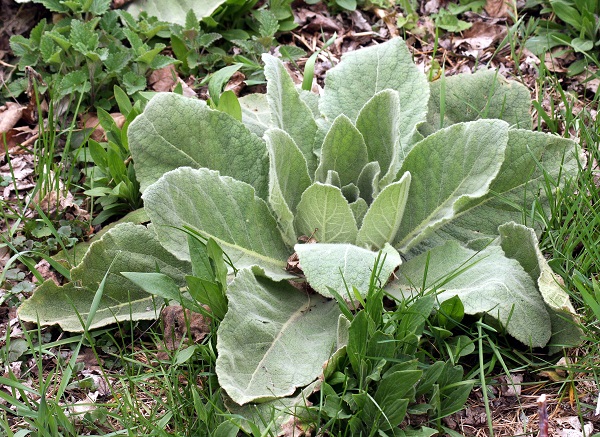
Identifying Mullein


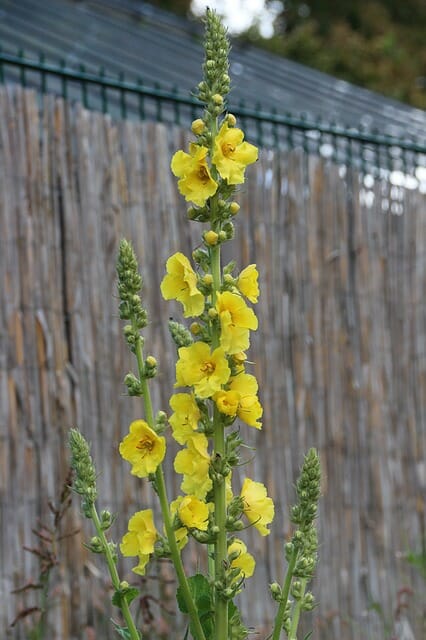
Mullein can grow, when left alone, up to seven feet tall, with large leaves covered in silver and felt-like hairs. Once blossomed, the flowers are yellow and take up half of the stem. The plant flowers from November to March. Most people consider it a nuisance, but there is so much more to the plant!


Medicinal Purposes of Mullein


For a plant that typically shows up in dry, barren places, mullein has impressive medicinal properties. You can use most of the plant, including the root. The leaves and flowers are the most common parts used. Infused oils, tinctures, capsules, lozenges, herbal teas and poultices are all common application methods for mullein.


Make Powerful Herbal Medicines, Right in Your Kitchen!


For centuries, people used mullein in herbal remedies, such as to soothe the respiratory tract. But it can do so much more.


1. Flu. Preliminary research shows that mullein has properties to fight flu-causing viruses. Of course, the flu can be dangerous, so seek medical help if you experience worsening symptoms.

8 Healing Uses For Mullein (The Native American ‘Survival Weed’)

Image source: Pixabay.com


2. Pain. Mullein has analgesic properties that have a numbing effect on your nerves. It is a great choice to stop transmitting pain to the brain. Toothaches and headaches can be relieved with mullein.


3. Inflammation. One of the main benefits of mullein is its anti-inflammatory properties. You can use it to treat nasal or respiratory tract inflammation, inflammation of the digestive system, and inflammation caused by fever or infection. If you experience a burn, try to apply mullein oil directly to the burn or inflamed skin.


4. Ear infections. Do you or your children experience chronic ear infections? Mullein oil can reduce ear pain significantly; make an infused oil, which taps into the antibacterial properties.


5. Coughs. If you have a cold or upper respiratory infection that causes excess secretions of phlegm, then mullein is an excellent expectorant. You can make lozenges that contain mullein or find them in your local health food store. Some Native American tribes believed mullein could cure chest diseases. For example, the Navajos would mix mullein with tobacco and smoke it to help with coughing spasms. I wouldn’t recommend that, but many people still use mullein in an herbal tea for coughing.


6. Relax/sleep aid. Mullein has a relaxing effort on your brain and other bodily systems. You can use it to treat muscle cramps, nervous disorders, stress, anxiety and more. Because of its relaxant properties, mullein also reduces blood pressure. Many people use mullein to help with chronic insomnia. If you need a good night’s rest, then try drinking a warm cup of mullein tea.


7. Hemorrhoids. No one likes hemorrhoids. A poultice created with mullein leaves can be applied to hemorrhoids to help stop the swelling and irritation.


8. Respiratory issues. In general, one of the most common applications of mullein is for respiratory issues. Asthma, bronchitis and allergies can be treated with mullein tea. It also is effective against sore throats, as well as the other listed issues such as coughing and spasms.


Have you ever used mullein for any herbal remedies? Let us know in the comments section below!

Tuesday, March 14, 2017

The Heal-Everything Herb That Doubles As Bandages … And Toilet Paper

The Heal-Everything Herb That Also Doubles As Toilet Paper

Image source: Wikimedia


It was brought to the Americas by European settlers and is now considered to be naturalized to North America. The settlers, in fact, had good reason to carry it with them: It has a long list of medicinal qualities.


It is mullein, which grows all over the forests of North America and is also known by several other names: flannel leaf, bunny ears, beggar’s blanket, Quaker rouge, hag’s taper, donkey ears and tinder plant.


Traditional folk medicine praised mullein as a remedy for asthma, bronchitis and tuberculosis. The plant is also said to be a natural painkiller and a cure for earaches and headaches. It also can act as an expectorant and decongestant. As a result, for centuries the plant’s leaves and its flowers have been made into teas and tinctures, and ingested. They even smoked it (which isn’t ideal for health).


Need All-Natural Pain Relief With No Nasty Side Effect?


Mullein is known to affect the respiratory and lymphatic systems. A study performed at Clemson University in 2002 found that the plant also has strong antibacterial properties.[1] Its high mucilage content is likely responsible for its medicinal properties. Astringent tannins and saponins, which help protect the plant when it is injured in nature, give the plant its soothing effect on the respiratory system. It also contains high levels of iron, magnesium, potassium and vitamin C.[2]


The Heal-Everything Herb That Also Doubles As Toilet Paper

Image source: Wikimedia


Even though mullein has been used for centuries, the Western medical community disputes the actual effectiveness of this plant, claiming “a lack of therapeutic validation.”[3] However, the herb has been evaluated and approved by the German (and government-funded) Commission E, which was established to evaluate and approve of substances that were traditionally used in folk medicine — such as mullein.


Mullein is a biennial plant, meaning that it takes two years for it to reach maturity. It is preferable to harvest the flowers and leaves in the plant’s second year of growth.[4] Both the honey-scented flowers of the plant and its soft, fuzzy leaves are used to treat ailments. The flowers are usually extracted in oil and also used to make tea, while, the dried leaves are typically reserved for making steam tents, poultice application and smoking. [5]


Across the centuries, people have used mullein as toilet paper, bandages, torches and to pad in the soles of their shoes. It should be a staple herb in every herbal medicine cabinet.


Mullein is a relatively safe herb to consume, its primary side-effect being it can cause contact dermatitis or irritate the throat when consumed, due to the fine velvety hairs that cover its leaves. It also has been known to interact with antidiabetic drugs and prescription diuretics in a negative way.[6] The seeds of some species of mullein contain high amounts of coumarin and rotenone, which can be toxic if consumed in large quantities. The seeds of the mullein plant should never be consumed under any circumstance.[7]


Have you ever foraged for or eaten mullein? Do you use it for health? Share your tips in the section below:


[1] https://www.ncbi.nlm.nih.gov/pubmed/12241986


[2] Nutritional Herbology by Mark Pedersen (pg. 124)


[3] Herbal Medicine: Expanded Commission E Monographs (pg. 270)


[4] Medicinal Plants of the Mountain West by Michael Moore (pg. 112)


[5] Rodale’s 21st Century Herbal by Michael J. Balick (pg. 300)


[6] http://www.encyclopedia.com/plants-and-animals/plants/plants/mullein


[7] Edible and Medicinal Plants of the West by Gregory L. Tilford (pg. 102)


hydrogen peroxide report