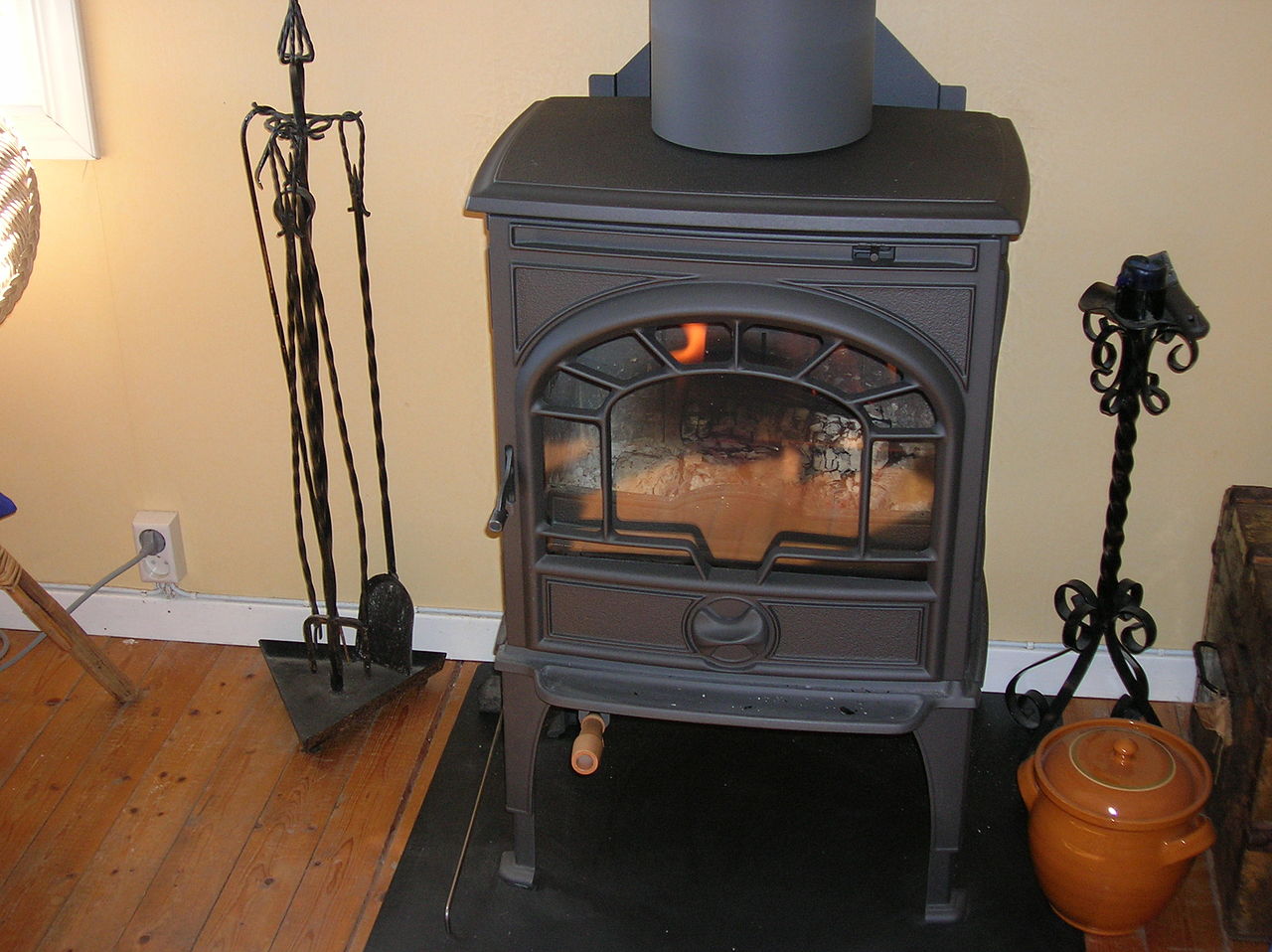
Showing posts with label wood burning stove. Show all posts

Saturday, November 25, 2017

How To Ensure Your Wood-Burning Stove Lasts Forever

How To Ensure Your Wood-Burning Stove Lasts Forever

Image source: dunritechimney.com


Wood-burning stoves are essentially simple machines that provide heat for warmth and cooking when we need it most. But like everything else, regular and annual maintenance are essential, especially if you are totally dependent on the stove for heat.


Summer is obviously the best time for maintenance. You can’t do much with a wood stove that’s blistering hot — and it’s a long day in the winter when you have to shut it down and let it cool for repairs. But there are weekly if not daily tasks that have to occur while the stove is hot.


Regardless of the design of your stove, coals and especially ash are inevitable. Some catalytic stoves burn more efficient and result in less ash, but even they need regular cleaning.


One regular maintenance item, of course, is cleaning ash, with the fundamental tools being an ash shovel and an ash bucket. Both are metal and need to resist the residual heat that the coals and ash will still have. Your dedicated ash-dump areas should be away from the house or other structures and anything else that’s flammable.


These Solar Backup Generators Deliver 4 Times More Power Than Other Models!


Beyond the routine ash cleaning, most maintenance needs to be done when you’re not using the stove. Here are the common areas to check and maintain:


Check the Gaskets and Doors


The firebox door should be inspected very closely for an airtight seal. One of the easiest ways to do this is with the dollar bill test. You close and lock the firebox door with the dollar halfway between the gasket and the stove. Then, gently tug on the bill and if it shows good resistance while you try to pull it out, you have a good seal. Do this all around the perimeter of the door.  All it takes is one weak spot to interfere with the efficiency of the stove or cause a smoke leak.


If the seal is weak, you’ll need to replace the gasket. Gaskets once were made out of a braided rope of asbestos but today they’re made from a fireproof fiberglass braid with a gasket glue. You’ll need to remove the door to make this replacement, and you might want to watch some videos so you get it right.


While you’re replacing the gasket, take some time to inspect the glass window that may be in your firebox door. If there’s a buildup of white ash, it can easily be wiped off with a damp rag. If the stains are brown, you may have to buy a woodstove glass cleaner. The reason you may get these brown stains is because the stove is not burning efficiently. Wet or green wood, low-burning fires, inefficient combustion, and resinous woods like pine are often the cause of these stains.


Don’t Forget Flue and Chimney Maintenance


I have a chimney sweep come out once a year to clear the creosote.  Creosote is made up of particles that adhere to the sides of the chimney pipe. The danger is that creosote is highly flammable; a chimney fire sends large tongues of flame out of the chimney. Even a spark arrestor can melt under this heat, and the burned bits of creosote can land on the roof and start a fire. If you have a chimney fire, immediately call the fire department.


There are some primary causes of creosote buildup. Low- and slow-burning fires don’t combust well and give off copious smoke and particulate matter. When this hits the cold stove pipes leading up to the chimney, particles are more likely to condense as creosote. A good, hot and consistent fire is the best solution. But be careful. A fire that’s too hot can warp the firebox or cause other parts of the stove to warp over time.


World’s Smallest Solar Generator … Priced So Low Anyone Can Afford It!


There is also a creosote fire suppressant. If you suspect you have a chimney fire, you put this in the fire box and it produces a chemical smoke that extinguishes the fire. Don’t get cocky, though.  The fire can restart if the creosote buildup is significant.


Considering purchasing creosote cleaning logs. You put them into the fire box with a hot fire, and the combination helps to vaporize the creosote and safely flush it out of the chimney.


Prevent Your Stove From Rusting


Cast iron stoves can succumb to rust. Purchase a heat-resistant paint to touch up both the exterior and the interior of your stove. Follow the directions on the can for prep and make sure the paint is dry before starting a fire. I usually start a fire even in the summer after I’ve maintained or painted my stoves just to make sure everything is working properly. A chilly, rainy day is a good excuse for this test.


Other Areas of Maintenance


The features on different wood-burning stoves vary widely. If your stove has a feature like a catalyst, firebrick, soapstone or other unique options, then make sure you check your owner’s manual for recommended maintenance and find a nice warmer day to make sure everything’s alright. Trust me: You’ll sleep better at night.


Stay warm.


What are your wood stove maintenance tips? Share them in the section below:


Are You Prepared For Blackouts This Winter? Read More Here.

Monday, January 2, 2017

6 Simple Ways To Get More Heat From Your Wood Stove

6 Simple Ways To Get More Heat From Your Wood Stove

Photographer: Daniel Morrison / Flickr / Creative Commons / https://creativecommons.org/licenses/by/2.0/


When the weather outside is frightful, it can be a challenge for people dependent on a wood-burning stove for heat. The question is: How can you improve the efficiency of your wood stove?


An obvious answer is to buy a new one with a built-in catalytic combustor, but they can be expensive. Thankfully, there are other ways to do it.


Here are some steps you can take to improve the efficiency of your wood stove:


1. A clean stove and chimney


Barring a warm spell, it’s a little late in the season to do some of this work, but good chimney sweeping and cleaning of the interior of the firebox can improve the efficiency of any wood stove. This also cleans out any creosote, which can impede air flow and pose the potential danger of a chimney fire.


Air flow is critical to good combustion and heat, and anything you can do to properly manage it will make a difference. If you have a brick chimney, make sure any cracks are sealed. This not only will avoid the potential for a fire but also will improve air flow.


2. A well-sealed stove and damper


There are two primary controls for air flow on a wood stove. These include small gaps that can be opened and closed on the front-bottom of some stoves, and the damper on top of the stove or in the chimney about two to three feet above the top. The damper is the primary air-flow control.


6 Simple Ways To Get More Heat From Your Wood StoveA problem can emerge if there are unwanted gaps on the stove. These typically happen around the door for the fire box. There are kits that allow you to replace the gasket, but it requires you to remove the door and let it cool. That’s tough stuff during winter. There are also kits that allow you easily to fill gaps as a short-term fix. Either way, an unwanted gap will cause you to lose control of your air flow and result in a fire that burns too hot for too long.


Crazy Gadget Makes Every Window A Cell Phone Solar Charger


The damper also could have a smoke leak or allow air to enter where the spindle emerges from the chimney or stove. This spindle is attached to the damper flap and here again, wood stove supply stores or websites have various solutions you can quickly apply.


Assuming your stove is well-sealed and the damper is operating properly, there are some key things to damper management. The basic advice is that whenever you start a wood stove fire, you should leave the damper fully open for 30 minutes to get the fire off to a good start and properly heat the chimney for efficient drafting.


3. Seasoned wood vs. green wood


Green wood can have a moisture content between 30 and 60 percent. The result is poor combustion and lots of smoke and creosote. In fact, green wood with a very high moisture content takes more energy to burn than the energy it releases in the form of heat. It’s important that you use seasoned wood for a wood stove.


The U.S. Forest Service recommends that firewood be seasoned for six months to a year in a sunny location and protected from rain and snow with a tarp.


Another firewood consideration: Are you using softwood or hardwood? Softwoods, like pine and fir, are great for starting a fire because they burn hot. But they also burn very fast. That’s why you want to establish a good, hot bed of glowing coals with softwoods and then add two or three hardwood logs like oak or cherry. Hardwoods burn hot when well-ignited — and burn long. Make sure you don’t overload the firebox and when necessary, carefully remove the ashes to an ash bucket and dispose of in an ash pit outside.


4. Added iron on the stove top


My mother has three pieces of cast iron in the shape of ducks sitting on top of her wood stove. The iron pieces get hot and increase the heat exchange capability of the stove by presenting a larger hot surface area to the surrounding air. There are also iron pieces with simple fan blades that actually spin very slowly as the heat rises and runs over the blades.  This, to a small degree, can help distribute some of the hot air.


5. Forced-air blower


A more robust solution for air distribution is a forced-air fan that will blow the hot air from the stove’s surface into a room. This requires electricity so it’s not a pure off-the-grid solution, but solar panels could be enough to power the fan.


6. The catalytic combustor


Image source: stove-parts-unlimited.com

Image source: stove-parts-unlimited.com


Many of the newer wood stoves feature a catalytic combustor as an efficiency feature. You also have the option of buying a separate catalytic combustor for installation into an older stove.


A catalytic combustor is a ceramic disc, usually about six inches in diameter and two inches thick. It has a honeycomb appearance and is coated with a rare metal called palladium. It’s inserted into the top of the stove where the smoke rises to the chimney and works to combust the smoke.


Smoke is essentially a gas that failed to combust and (most of the time) requires at least 1,000 degrees Fahrenheit to fully ignite. A catalytic combustor will combust the smoke at temperatures as low as 500 degrees Fahrenheit.


The result is that the fire burns better and hotter and any residual smoke that could cause creosote buildup is reduced. In fact, a catalytic combustor can reduce creosote buildup by anywhere from 20 to 90 percent


It’s reported that catalytic combustors are good for 12,000 operating hours before they have to be replaced. That equals 500 days, so you can probably get several years of service from one catalytic combustor.


One caution is that you should only burn natural woods (no building lumber, paper, or treated woods) with a catalytic combustor or the life of the combustor and its efficiency will decline.


How do you make your wood stove more efficient? Share your tips in the section below:


Are You Prepared For Extended Blackouts? Read More Here.