
Image source: Pixabay.com
Raising chickens, once considered a staple of country living, has made its way into suburbia, where wannabe homesteaders are finding creative ways to bring rural life to their neighborhoods.
Caring for chickens (and their eggs) is not all it’s cracked up to be, however. Even in the relative calm of suburbia, there are dangers that threaten suburban flocks. Ready to enhance your homesteading journey with chickens? Be aware of these potential perils.
1. Zoning laws
Despite the growing popularity of backyard flocks, many cities haven’t kept pace and have zoning laws that prohibit the keeping of chickens within city limits. Check with your city’s ordinance codes to find out what (if any) limitations there may be before you order chickens and set up your coop. In some anti-chicken cities, officials are willing to “overlook” small flocks, provided they are well-behaved and don’t upset the neighbors. Many chicken owners find that paying off their surrounding neighbors with fresh eggs will smooth over any “ruffled feathers” about a few sweet chickens living in the backyard. Be a good neighbor: Keep your coop clean (and odor-free), skip the rooster (they make too much noise) and offer to bring deviled eggs to neighborhood cookouts. Be prepared, however. If you have an illegal flock, you may be forced to rehome them should city officials enforce zoning laws.
2. Neighborhood predators
You’d expect there to be danger to a flock of chickens out on a farm. Suburbia, however, has perils of its own that can be deadly for your brood.
Diatomaceous Earth: The All-Natural Livestock De-Wormer!
One night, I forgot to close my chicken coop door. About midnight, I heard a clattering sound at my fence, followed by an uproar from inside the coop. By the time I made it outside, whatever had infiltrated the backyard was gone. My chickens were beside themselves, but all were present. A neighbor later told me she saw a coyote racing out of my yard while letting her dog out that same night. In my neighborhood, a new housing development had displaced a band of coyotes, sending them prowling through the streets in search of food and shelter. Fortunately for my girls, he left hungry that night.
Other neighborhood predators include the obvious: cats, as well as dogs. A hungry neighborhood cat can (and will) scale fences in search of young chicks happily rooting in the yard. Dogs break through fences, dig under coops, and chase errant chickens who may have escaped the safety of your yard. They also can include some surprising additions. As cities expand and develop forested areas, wildlife such as coyotes are trying to share space with the humans that just moved in. They’re looking for food and are willing to sneak into your yard to get it. Possums and raccoons may stealthily find their way into laying boxes in search of their morning eggs. Hawks can swoop down on unsuspecting chicks, carrying them off to feed their hungry young. Rats and mice invade coops and feed supplies.
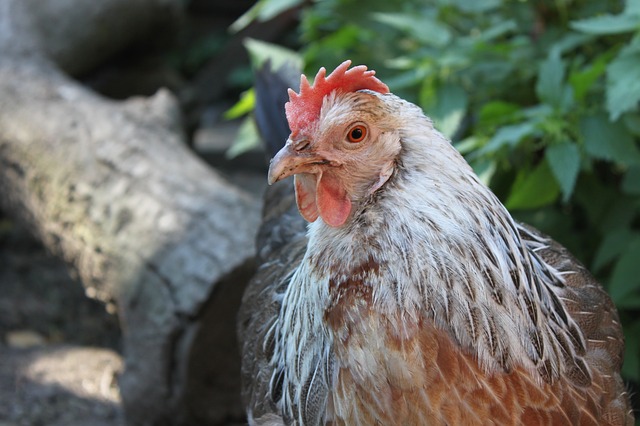
Image source: Pixabay.com
How can you protect your flock? Provide your chickens with a coop. Their coop not only acts as a laying station for their eggs, but it gives them a place to escape the clutches of predators. With a chicken-sized entrance, large dogs and coyotes will be unable to enter the structure. A door that can be closed will provide extra protection from nocturnal visitors such as possums, raccoons and cats. Chicken wire (or poultry netting), buried at least six inches around the base of the coop, will discourage predators from digging in, and help keep your chickens from trying to tunnel out. (Have you seen the movie Chicken Run? I’m convinced it was based on the antics of my chickens!)
3. Free-range dangers
You may not have acres of land to allow your chickens to free-range. Even with an average-sized yard, however, your small flock can happily spend the days rooting through the grass and bushes in search of snacks, a warm dirt spot to burrow down in, or a shady area to rest. Trouble happens, though, when your chickens notice that the grass on the other side of the fence is actually greener, and then fly over the fence to explore. Not only will the rest of the flock follow, but they’ll luxuriate in their new-found freedom and head down the street, checking out what plants and bugs your neighbors have available. Your neighbors may not appreciate having visitors who scratch their way through their yard, and may chase them off or call the city to complain. Secure your neighbor’s goodwill by offering eggs, and offer to let your girls help turn over their garden plot in the spring. Keep your brood grounded by regularly trimming their wings.
4. Poisonous plants
Many decorative plants that look beautiful in landscaping beds are poisonous to chickens. Hydrangeas, tulips, azaleas and other beautiful flowers that gardeners like to grow can be toxic to free-ranging chickens. Look for chicken-friendly plants that can provide snacking opportunities for your brood, while beautifying your yard. Add nasturtiums, sweet potatoes, pumpkins and sunflowers for variety (and safety) in your garden.
Raising chickens in suburbia is an adventure. However, the benefits of fresh eggs and a flock of happy chickens in the backyard are worth the challenges. If you’ve been considering adding chickens to your family, there’s never been a better time.
What advice would you give to someone raising chickens in the city? Share your tips in the section below:
Discover The Secret To Saving Thousands At The Grocery Store. Read More Here.


