
Image source: Pixabay.com
Feeling sore and chilled, I awoke to find numerous large welts on my right arm, which was slightly swollen and hot to the touch. For the next 24 hours a fever raged, peaking late afternoon at 103.2 degrees. It was obvious I was experiencing a severe reaction to multiple spider bites on my arm.
My throat began swelling and my sinuses were inflamed. To get my reaction under control, I turned to basic natural health care. Alternating topically applied essential oils with mineral salt soaks, the swelling and redness were gradually reduced. Warm herbal teas soothed my irritated throat, while an oil diffuser calmed my inflamed sinuses.
There are many different ways to treat spider bites naturally, especially if you are in a survival situation where no other health care is available*. First, if possible, identify the spider, although this may be impossible if the bite occurs while you are sleeping. All spiders are venomous, meaning that they inject venom when biting another subject, but how individuals react to the spider’s venom varies greatly. In North America, the most severe reactions are caused by the venom of a black widow spider or that of a brown recluse spider, but any type of spider venom can cause painful symptoms.
Fast, All-Natural Pain Relief With No Nasty Side Effects!
If ice is available, apply it to the location of the bite while waiting to begin alternative treatments. Ice will decrease the amount of swelling at the site. Wrap the ice or ice pack in a thin cloth to avoid further irritating the skin surrounding the bite.
Applying a poultice or paste that draws out the venom is the next step in naturally treating a spider bite. There are many herbal poultices that are useful in natural healing. Below are a few of the best for healing venomous wounds.
Activated charcoal, or active carbon, has numerous pores that trap chemicals inside of them. When a paste of active carbon and water is applied to a spider bite, it will trap the venom and allow it to be washed away while contained in the carbon. Creating a thick paste that is applied to the affected area for up to four hours is the most effective way to use activated charcoal.
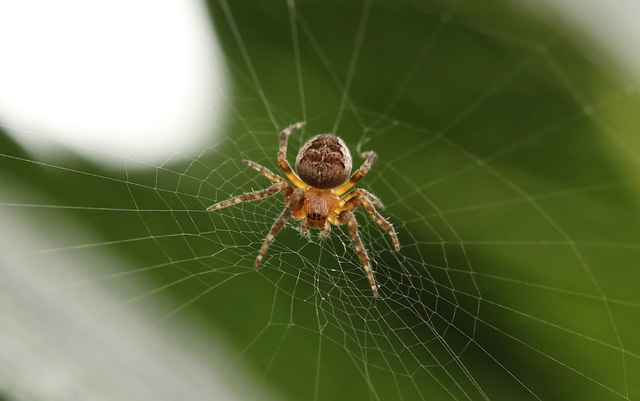
Image source: Pixabay.com
Bentonite clay can be used in a similar manner as the active carbon. Bentonite clay, made of volcanic ash, absorbs toxins, heavy metals and other impurities when used in conjunction with a liquid. Create a poultice with plain water and bentonite clay. Apply to the location of the bite and gently bind it with a damp piece of gauze. Change the dressing every two hours.
A plantain poultice is also helpful in treating spider bites. Since plantain grows readily in most areas, it is the most likely ingredient to have available in an emergency. Whether ground in a mortar and pestle, or shredded and crushed by hand, the liquid found in the plantain leaf will draw out toxins, such as spider venom, by constricting the cells affected by the toxin. Apply the poultice to the affected area and loosely wrap the area with gauze or cover with a large bandage. Replace the plantain regularly for the greatest effect.
Used as a standalone poultice, as part of an herbal poultice, or as a medicinal wash, slippery elm is valuable in treating spider bites naturally. The inner bark can be used to create a poultice to reduce swelling and help manage pain. In times past, Native Americans would soak thin strips of the inner bark until the bark was pliable, and then they wrapped a strip of bark around wounded areas until the bark dried out again. In addition to poultices, slippery elm bark can be decocted into an antiseptic wash, useful for bathing infected bites.
The Secret To Making Powerful Herbal Medicines, Right in Your Kitchen!
A natural antibacterial agent, honey, added to any poultice or as a pack itself, will encourage the healing process to begin. Additionally, peppermint oil, when properly diluted with a carrier oil, also speeds up the healing process by increasing circulation in the area to which it is applied.
Between applications of poultices, it is helpful to soak the affected area for 10 to 15 minutes in a mineral salt bath. The mineral salts will continue to draw out the venom and soothe the affected area.
You can lessen the effects of the spider’s venom on your overall health, as well. Echinacea, taken in capsule form or as a tea, will bolster your immune system and has long been used to treat venomous snake bites; it also works well on spider bites. Keep taking Echinacea until the wound is completely healed.
*This article is for informational purposes only and is not intended to diagnose or cure any particular health condition. Please consult with a qualified health professional first.
What advice would you add? Share it in the section below:


