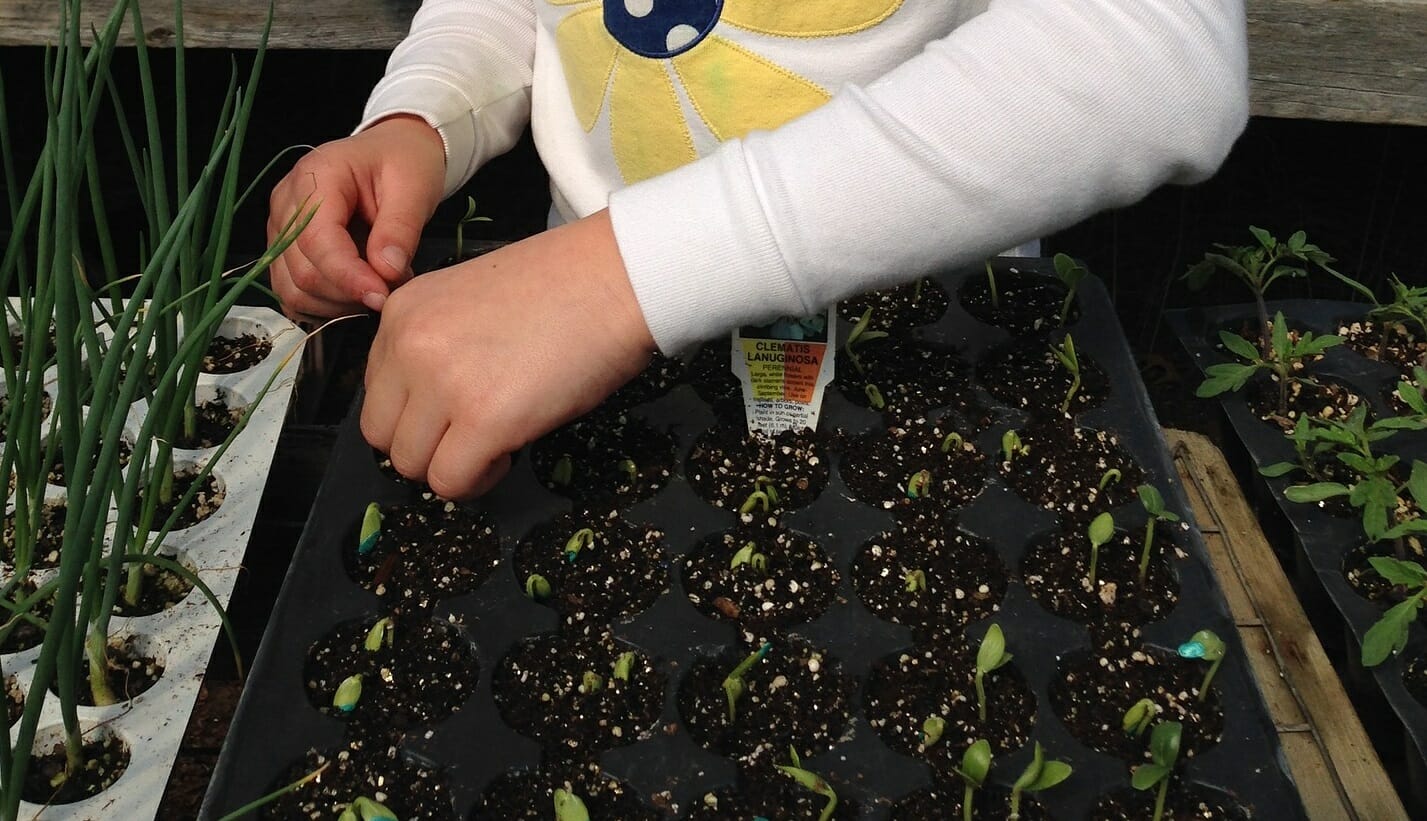
Image source: Pixabay.com
For many of us, late January is still cold and snowy, but the days are lengthening, and warmer temperatures are on the way. It’s so tempting to break out the seeds!
But planting seeds too early can backfire unless you have a setup that includes things like heated seed propagation mats, grow lights, and consistent regulated temperatures. I don’t. I do have a terrific enclosed south-facing verandah with lots of windows, but the days are still short here, without the amount of sun many seedlings need. This can make for spindly, weak plants that stretch towards the light, and that are unable to support the weight of their leaves. Also, the temperature is hardly consistent, given the blasts of cold air each time the door is opened.
That said, some seeds can be started by late January with just a little care. Often, these are seeds that germinate slowly, with their seedlings becoming established in mid-late February, when the amount of sunlight and daily temperatures have both increased.
When choosing what to plant this time of year, always check seed packages (or research the varieties you’re planting) to find out the expected number of days to maturity. Then, cross check that with the last expected frost date in your area, which you can find here. Don’t choose seeds that will mature before your last frost date — you need to move your plants outside after the last frost so that they can finish growing outside for the best results and flavor.
General Hint
The top of your refrigerator is often warm enough to replicate a heated propagation mat. If you’re sowing seeds that need heat to germinate, keep them on top of your fridge. Once sprouted, the seedlings should be moved to a window area to get as much sunlight as possible.
Strawberries
It can be tricky to grow strawberries from seeds, but it’s much more fulfilling than buying established plants at a nursery.
The earlier you start strawberry seeds, the more likely you’ll get fruit in the first year. Aim to start in January or even December. That said, strawberries are perennials. If you start late, you’ll still get plants, if not fruit, in the first year.
Strawberry seeds germinate best if they go through a stratification process. Put the whole package of seeds into an airtight plastic bag or container and toss them into the freezer for 3-4 weeks. When you take the seeds out, let them warm up to room temperature before removing them from the bag or container, so that they don’t get condensation on them as they thaw. Then, once planted, keep the cells or containers in a tray that has a thick piece of fabric placed on the bottom. Keep the fabric wet so that the soil in the containers can wick up moisture as needed, without sitting in water. Use bright fluorescent lights to supplement sunshine and keep the temperature between 65-75 °F (18-24 °C). Germination can take one to six weeks. Be patient!
Once strawberry seedlings have their third true leaf, transplant them to bigger pots. Make sure to harden them off before transplanting outside.
Onions, Leeks, and Shallots
It’s best to plant onion, leek, and shallot seeds about 10-12 weeks before the last frost date, which means sowing in January or February works well in most hardiness zones. All three need warmth to sprout; keep sown seeds on a heated propagation mat, on top of the fridge, or tucked under a plastic bag or dome. The seeds should sprout fairly quick, but the seedlings grow quite slowly. Like other plants started indoors, these should be first repotted into larger pots, before being hardened off and transplanted into the garden.
Celery and Celeriac
Celery and celeriac are relatively easy to start from seeds, but it can be a challenge to get these plants to produce in the garden, as they are averse to both cold and heat. If you’re up for the challenge, start in late January or February as the plants need about 90 days from seeding until they’re ready for transplanting. Mix the tiny seeds with sand and then sprinkle that mix on top of your potting soil. Celery is slow to germinate and grow, but it doesn’t require any help (like a heated propagation mat or wet fabric to wick moisture from). All it needs is patience.
Woody Herbs (Oregano, Rosemary, Sage, Thyme)
Herbs with woody stems are usually propagated by cuttings because they grow so slowly from seed. But that’s just what we want when we’re looking for seeds to start in January and February. Of the four herbs listed here, rosemary is the most finicky and hardest to grow from seed. It will need a heated propagation mat or fridge top and should be covered with plastic. Oregano, sage, and thyme, however, have no special requirement other than bright light. Once the seedlings are sturdy enough to handle, transplant them into larger pots. By late April or May, they should be ready to plant outdoors — just be sure to harden them off first.
Chili Peppers
In general, the hotter the pepper, the longer it takes to mature. Hot Rod peppers, for instance, only need 57 days to mature, while Habaneros take a minimum of 120 days. Keep this in mind when choosing which variety to plant now. All hot pepper plants need heat to flourish. Use a heated propagation mat, the top of your fridge, or at least keep your seeds and seedlings as toasty as possible, in a warm, draft-free location, and covered with a plastic bag or dome. You’ll need to repot them when they have several sets of leaves; they should be transplanted outdoors once overnight lows stay at 50°F (10°C) or warmer.
Eggplant
Like many of the other seeds that are suitable for early planting, eggplant seeds require warmth to germinate. The seeds are quite tiny; mix them with sand, if needed, and then sprinkle the sand mixture on your potting soil. Once planted, keep the cells or containers on top of your fridge, on a heated propagation mat, or covered with a plastic bag or cloche. It should take about one week for seeds to germinate. They’ll be ready to transplant in about four to six weeks, and ready to go into the garden 10-12 weeks after planting.
Have you started any seeds already? Do you have any tips for producing strong healthy seedlings when you sow seeds early? If so, please share in the comments below.

