Showing posts with label kitchen cures. Show all posts

Thursday, January 25, 2018

Surprising Kitchen Cures For The Common Cold


When most people catch the common cold, they drive to the local pharmacy and stock up on drugs packed with chemicals.


But an ever-increasing number of Americans are trying all-natural remedies, and as we’ll discover on today’s edition of Off The Grid Radio, a lot of those remedies are already in your kitchen!


Our guest is Laurie Neverman, a seasoned homesteader and author, and the creator of the popular blog Common Sense Home. Laurie has tested numerous home remedies and tells us what actually works.


Laurie also tells us:


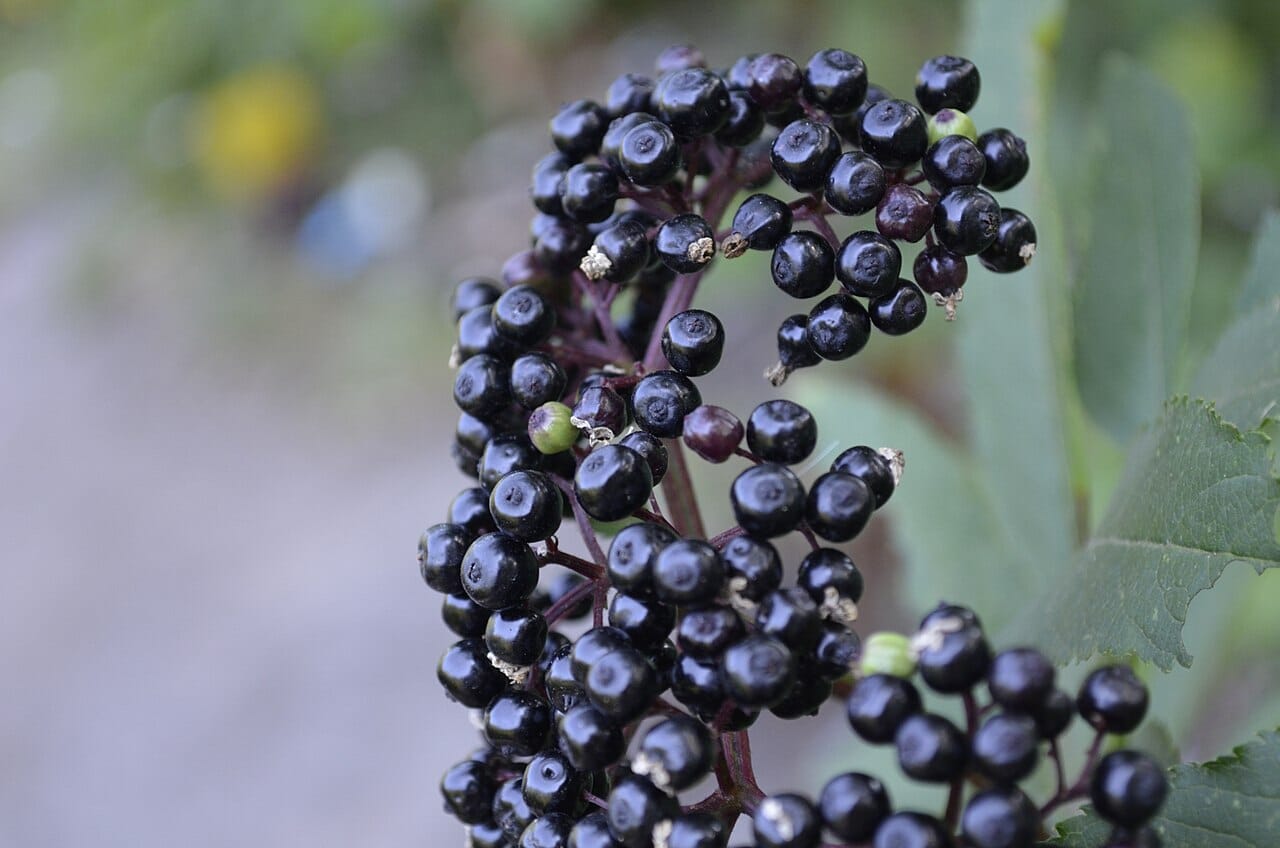
  • How elderberries can keep you healthy all season.

  • Which powerful kitchen ingredients every homesteader should store for winter.

  • What she does when she gets a cough, sore throat or congestion.

  • How cinnamon and apple cider vinegar can help you get better when you’re sick.


If you’re battling the cold, or you simply want to be prepared for the next illness, then this week’s show is for you!


Monday, September 25, 2017

Surprising Kitchen Cures From Cabbage (Yes, Cabbage)

Surprising Kitchen Cures From Cabbage (Yes, Cabbage)

Image source: Pixabay.com


Its leaves can range from light green to dark purple, and they can be wrinkled or smooth. Naturally low in calories, this cruciferous vegetable packs a lot of health benefits.


However, the cabbage, which is eaten throughout the world in both cooked and raw form, is sometimes misunderstood. Frequently mistaken as a form of lettuce because of its appearance, cabbage actually is a leafy vegetable that is part of the Brassica family that includes its nutritious cousins kale and broccoli.


As with other fruits and vegetables, the darker the color, the more nutritious the cabbage. That means red cabbage — which can range from light red to deep purple — but all cabbage is worth adding to your diet for its health benefits.


Vitamin C


According to the USDA, eating a half cup of cooked cabbage provides 35 percent of your daily vitamin C requirements. That makes cabbage a richer source of this important nutrient than oranges!


Get All-Natural Headache Relief With No Nasty Side Effects!


Vitamin C is an antioxidant that has many benefits to the human body, including helping defend against the common cold, healing wounds, preventing ulcers and boosting the immune system. Vitamin C plays a role in skin health and the body’s response to the aging process.


Fiber


Cabbage is rich in fiber, which is essential to a healthy digestive system. The roughage in cabbage helps the body retain water, which protects against indigestion, constipation, ulcers and other stomach problems.


Sulphur


The sulphur contained n cabbage aids the body in fighting infection and helps in wound healing. It also reduces the frequency of ulcers. Research studies have indicated that the sulfur-containing compounds (sulforaphane) found in cruciferous vegetables such as cabbage may help guard against certain forms of cancer.


Glutamine


Cabbage contains glutamine, a powerful anti-inflammatory agent that is linked with the reduction of inflammation, joint pain and various skin problems.


Beta-carotene


Cabbage also is rich in beta-carotene, which is important for eye health. Beta-carotene is linked with the prevention of macular degeneration and the delay of the formation of cataracts.


Vitamin K


The Vitamin K contained in cabbage can boost the cognitive function of the brain. Vitamin K also helps protect the body from the neural degeneration, which is a contributing factor to Alzheimer’s disease and dementia.


Calcium


The calcium contained in cabbage is essential to healthy bones and, as a result, can protect against osteoporosis and other forms of bone weakening.


Anthocyanins


The anthocyanins contained in cabbage, particularly in red cabbage, help reduce the inflammation that may contribute to cardiovascular disease.


Potassium


Cabbage also contains potassium, which helps regulate blood pressure. As a vasodilator, potassium helps open up blood vessels, reducing the possibility of constricted arteries and veins and helping prevent platelet buildup.


Lactic acid


The fermenting of cabbage releases lactic acid, which can help ease muscle soreness and other general aches and pains in the body.


Iodine


The iodine contained in cabbage aids the healthy function of the endocrine system, which helps remove toxins from the body and boosts neurological function.


How to choose a cabbage


Select a cabbage that feels heavy for its size and see that its leaves are tight and firm. You may store fresh cabbage for up to two weeks in the refrigerator.


For the most nutrition, eat cabbage raw. However, you may also serve it boiled, steamed, roasted, sautéed or even stuffed. Some people are put off by the odor of cabbage as it cooks. However, this unpleasant smell, which is caused by its sulphur content, usually occurs only when the vegetable is overcooked.


How do you eat and prepare cabbage? What is your favorite type? Share your tips in the section below:

Strategies That Burglars Use To Case Rural Houses

Strategies That Burglars Use To Case Rural Houses

Image source: Pixabay.com


Living out in the country often means much more privacy than in an urban or suburban household.  If your house is out of view of your neighbors, curtains can remain open and you can go about your business without any questions asked. Most of the time, being out of the prying eyes of busybody neighbors is a huge benefit to rural life.


That lack of visibility, combined with an opioid crisis in many of the most rural populations, leads to a lot of opportunistic petty theft and burglary. On the rural email bulletin in my town, there’s a notice at least once a week that a house was burglarized. Thankfully, the attempts aren’t often sophisticated and they’re usually desperate attempts at a quick buck than well-though-out break ins.


It’s always quick theft of small items. Inside the house, the medicine cabinet has been rifled through, and any small electronics that were in sight have been taken. Gas cans and chainsaws are often taken, too.


How does it happen so often? Persistence and a plausible excuse to come to your door.


Finally, A Backup Generator That Doesn’t Require Gasoline!


Some excuses are more plausible than others. When a middle-aged man comes to your door selling packs of M&Ms, he won’t make it more than a few houses before someone takes his license plate and notifies the police. A search of that man’s home then turns up a pile of stolen items.


Other techniques are more subtle.


Repair Men


It’s not uncommon for repair men to get lost looking for a house, especially on poorly signed rural routes. These days, you can order a magnetic car door sign and put it on any truck or van to pose as a repair man. “Tony’s Appliance Repair” can drive up to your door, knock and if you happen to answer, they just must have the wrong house.


To seem more plausible, all they need is the name of one of your neighbors, which is easy enough to find by looking at a neighbor’s mailbox or peaking at the address label.


If it’s a repair shop you’ve never herd of, make sure you check with your neighbor and see that they actually needed a repair. Better still, without letting them in, mention that your fridge is acting up and ask for a card. If they stutter and don’t have a number or a card to give you, make sure you take down a good description and a license plate number.


Lost Pets


Every animal owner knows it’s heartbreaking to lose a pet, and we tend to have a lot of sympathy for others whose beloved dog has gone wandering. In reality, if someone is at your door looking for their lost dog, it should be one of your neighbors, not someone you’ve never met.


Take their name and number and let them know you’ll call if you see their pet. Quietly note their plate number for yourself. The next day, you can give them a call and see if they’ve found their pet. If they were really looking for their dog, you can offer sympathy and condolences, but if they were casing your house, you’ll likely get a fake number and checking up is a good idea.


Accusations of Stolen Items


This method is a bit more aggressive than the other two. With lost pets and repair men, they’re hoping you’re not home when they come to your door. Our neighborhood recently had a group of people going door to door looking for empty houses, but also targeting elderly citizens home alone.


The first person would knock, and if someone that looked “vulnerable” answered they’d say that their computer or phone was stolen and that they’d tracked it to this address. The burglar would be aggressive and confrontational, demanding to come in and look for the stolen item.


If you let them in, or they pushed their way in, they’d lead you on a wild goose chase through your house, digging through your things and keeping you flustered with accusations. All the while, another person or two entered the house and quietly took any visible valuables while you were arguing with the first person.


This happened to a number of elderly people in our community, most of whom did not know they’d been robbed until they heard a story about the burglars being caught in the local newspaper. They finally hit the wrong house, where the elderly woman was not home alone, and her son came to her aid and confronted them.


Counter Measures


By far, the best counter measure is to know your neighbors and your neighborhood. Strong communities help stop crime together. In addition to a strong community, a few well-placed trail cameras are a good second line of defense.


Place at least two cameras on your property. One that’s obvious — that lets the person know you’ve got their picture if they come to your door. That’s a great deterrent, but an obvious trail cam can be disabled given enough time. A second camera, hidden from view in a tree or up under the eves, is a good double insurance policy.


What other ways do thieves case rural homes? Share your thoughts in the section below:

Tuesday, May 9, 2017

8 Health Benefits Of Spinach You Likely Didn’t Know

8 Health Benefits Of Spinach You Likely Didn

Image source: Pixabay.com


If you could eat something that could boost your eye health, strengthen your bones, increase your body’s healing processes and aid your digestion, would you eat it? What about if that same food was easy to grow or inexpensive to purchase — and easy to add to soups, salads and main dishes?


That food is spinach, a known superfood long before the term “superfood” was ever coined. In fact, the leafy green vegetable has been used for centuries to promote health and well-being.


Persians cultivated spinach thousands of years ago. Historians believe the plant made its way east to China about 1,500 years ago and then to Europe a few centuries years later where it quickly became a staple as a side dish vegetable and as an ingredient in numerous dishes.


The comic book character Popeye’s secret weapon, spinach is an excellent source of many minerals and vitamins. Let’s look at some of the many “kitchen cures” it offers.


1. Eyes


You know about how eating carrots can benefit your eyes, but you may not know that consuming spinach is just as helpful, if not more so.


The carotenoids and antioxidants found in spinach can protect your eyes from age-related macular degeneration, as well as from cataracts and glaucoma.


2. Heart


Atherosclerosis is a life-threatening condition caused by hardening of the arteries. Lutein, which is a pigment in spinach, reduces the risk of atherosclerosis and, as a result, can help decrease the chance of heart attack and stroke. Lutein works to reduce fat deposits in the body’s blood vessels.


Need Non-GMO Spinach Seeds? Get Them From A Company You Can Trust!


The mineral folate, which is plentiful in spinach, also helps to reduce high blood pressure and the inflammation of blood vessels.


3. Bones


One cup of boiled spinach produces 41 calories and offers twice the recommended daily serving of Vitamin K.


This high concentration of vitamin K can help you maintain bone density and prevent bone fractures. Other minerals found in spinach, including manganese, magnesium, copper, zinc and phosphorus, also help build strong bones, teeth and nails.


4. Healing


8 Health Benefits Of Spinach You Likely Didn

Image source: Pixabay.com


One serving of spinach contains 56 percent of the recommended daily amount of Vitamin A. Vitamin A helps boost the body’s natural healing process, including cellular and collagen development.


5. Digestion


Eating spinach helps protect the mucus lining of the stomach, which helps prevent ulcers, and this protection helps flush toxins from the colon.


6. Pregnancy


Spinach is a great food for expectant mothers to eat. The folate found in spinach helps the fetus develop properly. Studies show that birth defects, such as cleft palate or spina bifida, may be due to a folate deficiency. The high amount of Vitamin A contained in spinach also helps aid the unborn baby’s lung development.


7. The Brain


The potassium, folate and other antioxidants found in spinach also may provide neurological benefits. For example, the journal Neurology reports that folate consumption may be linked with Alzheimer’s disease prevention. Potassium helps increase blood flow to the brain, which may improve cognition and concentration.


8. Muscles


According to the Journal of Cardiovascular Nursing, an antioxidant found in spinach, called C0-Q10, helps strengthen muscles, especially heart muscles. C0-Q10 may help treat cardiovascular diseases and coronary heart disease.


One potential drawback of consuming a lot of spinach is its oxalic acid content. Oxalic acid blocks the body’s absorption of calcium and iron, and some people who eat large quantities of raw spinach may experience symptoms of gout, arthritis and rheumatism. High levels of oxalic acid also can lead to kidney stones and gallstones in some individuals.


One way around the potential problem with oxalic acid is to pair spinach with a food that is high in Vitamin C, such as oranges.


In addition, boiling spinach greatly reduces its amount of oxalic acid, and unlike other vegetables, spinach retains its nutritional after it is cooked.


If you are looking to add spinach to your shopping list, here is one other important thing to keep in mind. Go organic, since pesticides on the leaves are difficult to wash off. Or, grow your own spinach.


Finally, here are some ways to add this powerful superfood into your family’s meals:


  • Add spinach to your favorite soup or stew.

  • Toss a handful of spinach into a fruit smoothie before blending.

  • Chop and stir spinach into your pasta sauce.

  • Top lasagna or your macaroni and cheese with finely chopped spinach.

  • Place a leaf or two of spinach on your sandwich instead of lettuce.

  • Make a quesadilla with spinach and cheese.

  • Use spinach as a pizza topping.

  • Add it to your omelet or scrambled eggs.

Do you have any spinach-growing tips? What is your favorite superfood? Share your thoughts in the section below:


Sources:


Cicero, Karen. Giant book of kitchen counter cures. Jerry Baker publisher, 2001. Print.


https://www.udc.edu/docs/causes/online/Spinach%2014.pdf


https://snaped.fns.usda.gov/seasonal-produce-guide/spinach


http://www.whfoods.com/genpage.php?tname=foodspice&dbid=43