Showing posts with label Foodie Buzz. Show all posts

Saturday, October 29, 2016

Beyond Meat and Veggie Grill Partner on ‘Bleeding’ Burger

IMG_0965Veggie Grill—the fast-casual all vegan restaurant chain has just added a game-changing burger to its menu: Beyond Meat’s Beyond Burger.


Beyond Meat, the El Segundo, Calif., based plant meat company has had an exciting few months. After the success of its initial Whole Foods launch of its Beyond Burger over the summer—the veggie burger that’s nearly indistinguishable from beef (it sold out in less than an hour—from the meat counter, no less)—the company also secured funding from Tyson Foods, the world’s largest producer of meat, poultry, and pork products for a five percent stake in the business.


The Beyond Burger is being served in a traditional burger style: iceberg lettuce (yes, it still exists!), tomatoes, pickles, a slice of melting vegan cheese, special sauce, and, of course, a sesame seed bun. It’s served with a generous side of fries.


There are many reasons the Beyond Burger is such a hit: it’s got a dense meaty texture that much more resembles beef burgers than the brown rice and lentil patties that have passed as burgers for years. There is indeed a pinkness—a fleshy feel—to the burger, which comes from the juice of beets instead of the juice of what was once a thousand-pound steer.


And when people say it’s indistinguishable from beef, they’re really not far off. It’s a strange sensation knowing that while it looks, tastes, and smells like a traditional burger, it’s really a soy-free, non-GMO, pea-protein based patty. This is the future of food. And it’s darn tasty.


In a side-by-side comparison on its website, Beyond Meat notes that the quarter-pound Beyond Burger beats out what it calls “animal-based beef” in a number of categories. The Beyond Burger contains 20 grams of protein compared to the beef burger’s 19; it’s got double the iron (hello, beets!), half the saturated fat, and zero grams of cholesterol. It’s also antibiotic- and hormone-free.


As a vegan for more than twenty years, I was Beyond excited to try this product. I dragged my poor and tired toddler down to Veggie Grill for the launch party, which started just around her bedtime. But tell a vegan-since-conception kid that she’s going to a vegan burger party, and she gets pretty darn excited (thank goodness there were balloons at the door!).


Beyond Burger certainly lives up to its meaty reputation. As outstanding as the sandwich was, I had to keep tearing off chunks of the burger by itself just to truly taste it. Like fine wine, I rolled small bits of it around my mouth, and smelled it so much that my daughter thought I was being a “silly mommy.” I certainly was. This is, after all, more than just a meal. It’s a critical pivot point in how we look at the definition of meat. It’s the beef industry’s worst nightmare. It may just save the planet from climate devastation. And it’s absolutely delicious.


IMG_0971


My daughter was much more impressed with the strawberry lemonade and French fries (quite worthy of accolades as well). At first, this disappointed me. I felt like she should be as thrilled about this achievement as me! But that she accepted it as just another “meat” is a victory in and of itself. To her, this is just another (delicious) vegan protein, something we eat all the time. Like the super yummy Field Roast veggie frankfurters, or the Tofurky sausages and slices, or Miyoko’s cheeses and butter that she so loves to eat already, a pea-based burger that tastes like beef? Even though it’s new—revolutionary!—it’s dinner at our house on any given night. And for a three-year-old, not nearly as exciting as French fries and strawberry lemonade–treats we don’t often have on our table. For this longtime vegan and now, mom of a young vegan, her nonchalance over “just another” veggie burger was my real treat—that she accepted it without blinking an eye.


The Beyond Burger is launching next week at the Hollywood Veggie Grill location, and the chain anticipates adding it to its other locations within a few months time.


Find Jill on Twitter and Instagram


Related on Organic Authority


The Best Burger in the U.S…. is a Veggie Burger?
SoCal’s Favorite Fast Food Joint May Soon Be a Favorite Vegan Hangout
Vegan Meat is Now the Biggest Trend in the Tech Industry


Jill Ettinger

Jill Ettinger is a Los Angeles-based journalist and editor focused on the global food system and how it intersects with our cultural traditions, diet preferences, health, and politics. She is the senior editor for sister websites OrganicAuthority.com and EcoSalon.com, and works as a research associate and editor with the Cornucopia Institute, the organic industry watchdog group. Jill has been featured in The Huffington Post, MTV, Reality Sandwich, and Eat Drink Better. Twitter @jillettinger | www.jillettinger.com.


Monday, October 24, 2016

One Pizza, Hold the Inflammation! Dr. Weil Shares All About True Food Kitchen

menu from true food kitchen by dr. weil


If you ascribe to the anti-inflammatory diet, you’ve probably already heard of Dr. Andrew Weil. Dr. Weil is the Harvard-educated godfather of integrative medicine and one of the major proponents of this way of eating, which highlights foods that ward off general inflammation, a condition that leads to many chronic diseases.


What you may not know is that Dr. Weil is also a successful restaurateur.


“In my work over the years, my greatest challenge has been convincing people that there’s no distinction between food that’s good and food that’s good for you,” says Dr. Weil. True Food Kitchen seeks to be the emblem of this life-long mission.


What is the Anti-Inflammatory Diet?


Dr. Weil popularized the anti-inflammatory diet as a way to ward off chronic inflammation, a problem that plagues many Americans, whether they realize it or not.


“I feel that chronic low-level inflammation is the root cause of most of the serious chronic diseases that people get, and that your best shot at optimum health is in following an anti-inflammatory lifestyle,” he explains. “Diet is a big piece of that.”


The anti-inflammatory diet can lessen risk of cancer, obesity, heart problems, and diabetes, amongst other health issues.


So what does this diet look like?


In essence, it consists of an abundance and variety of fresh fruits and vegetables with minimized consumption of processed foods. Whole grains, beans, fresh produce, extra-virgin olive oil, and fish are all welcome, while other oils, processed foods, refined carbohydrates, and most dairy and animal proteins are to be eaten in moderation or not at all.


Dr. Weil’s True Food Kitchen


To further the mission of democratizing the anti-inflammatory diet, Dr. Weil opened the very first True Food Kitchen in Phoenix in 2008. It’s a unique restaurant in that it is backed by a coherent nutritional philosophy, based, Dr. Weil says, on the Mediterranean diet – one of the healthy diets most backed by science – with a few Asian influences, inspired by Dr. Weil’s many trips to Japan.


One of the secrets of Dr. Weil’s success is that he’s not selling his food as healthy, but rather as tasty.


“It’s a restaurant that serves delicious food that happens to conform to cutting-edge science,” he says. “So I don’t call it an anti-inflammatory restaurant; it’s a great restaurant that serves really good food.”


When Dr. Weil set about creating this restaurant, alongside restaurateur Sam Fox of Fox Restaurant Concepts, he realized that the process would be met with its own set of challenges. While both men shared the dream and vision of this restaurant, they did knock heads on a few specifics.


“For instance, when we opened the first restaurant in Phoenix, he wanted soda on the menu — I said absolutely not,” Dr. Weil says.


While Dr. Weil won that debate, he would end up compromising by allowing Fox to put red meat on the menu.


menu from true food kitchen by dr. weil


“He insisted on having steak tacos, and that ended up being one of the bestselling dishes,” says Dr. Weil. “But we use grass-fed beef, which I think is better than conventional beef.”


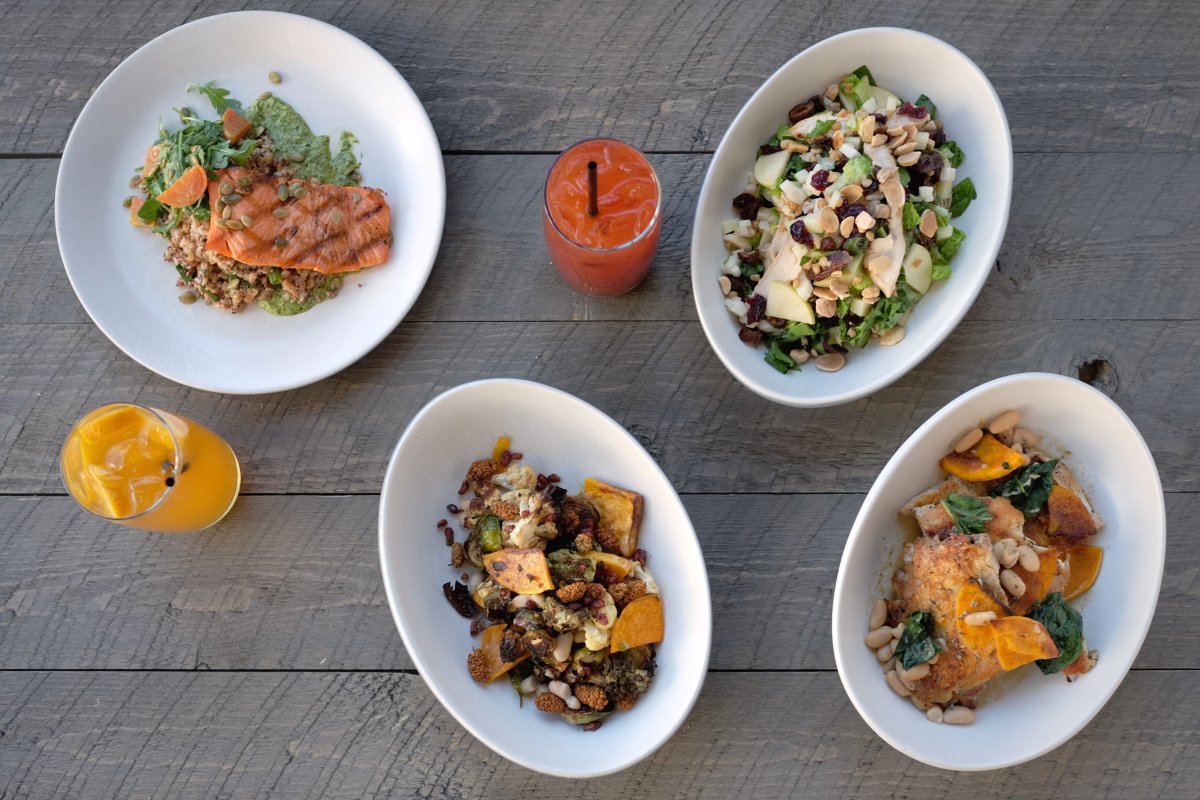
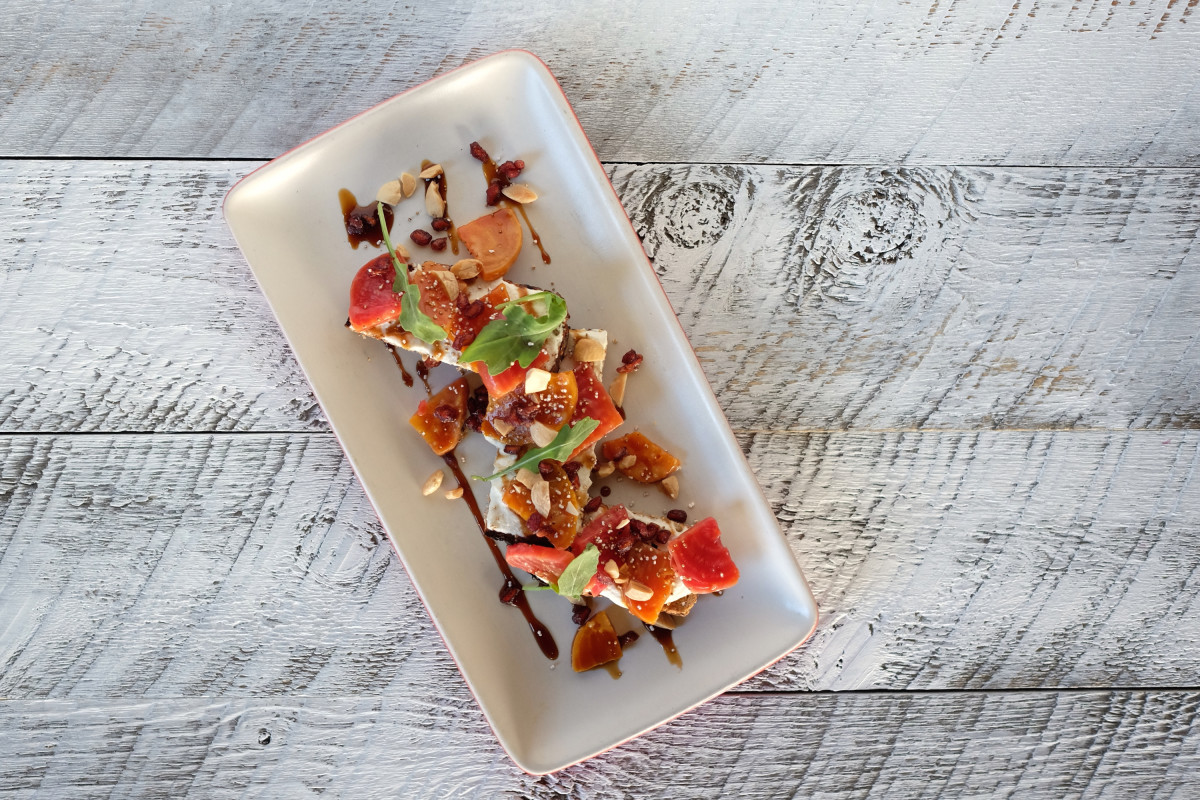
The tacos are just one of the restaurant’s most popular dishes – other choices include Dr. Weil’s own recipe for spaghetti squash casserole, an ancient grain bowl with miso-glazed sweet potato, Chioggia beet bruschetta with amaranth, and a vegan “T.L.T” with smoked tempeh.


menu from true food kitchen by dr. weil


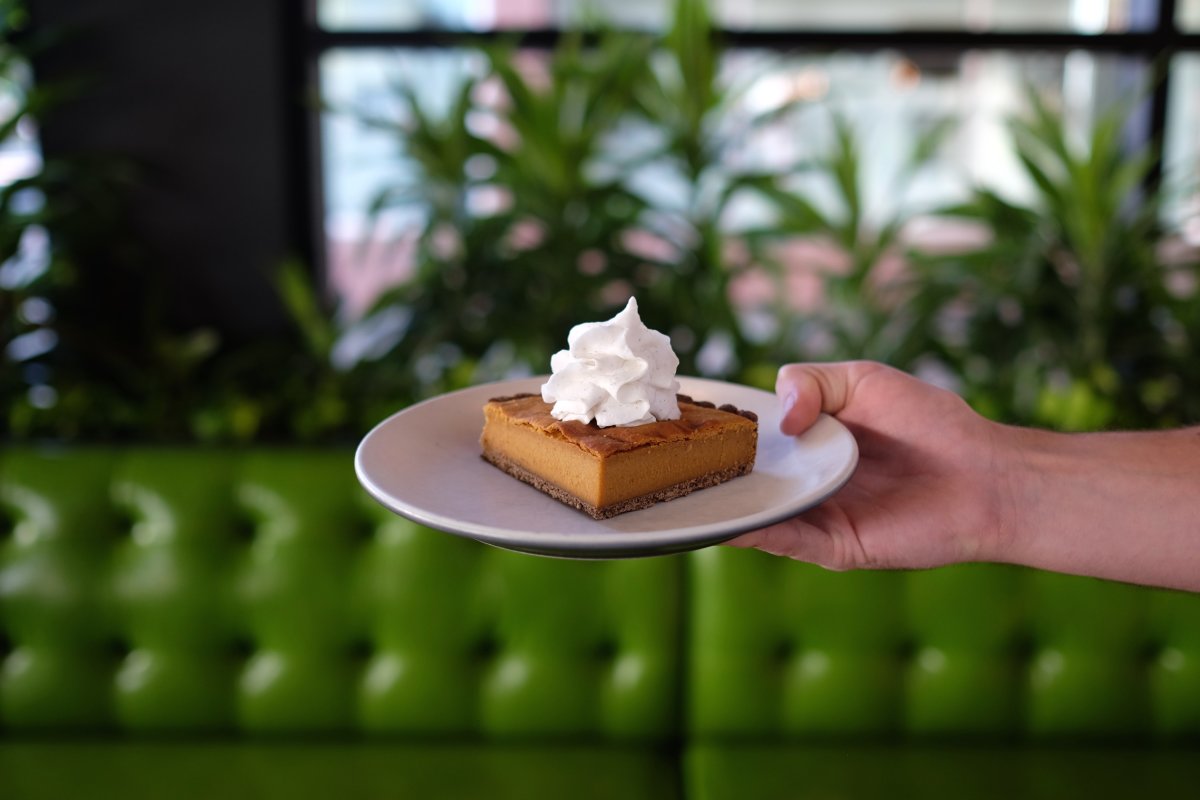
There are even a few desserts, including Dr. Weil’s recipe for squash pie.


“In general, I would like to see people eating less sugar rather than more sugar,” says Dr. Weil. “We’re constantly trying to develop desserts that are healthier, but it is an indulgence.”


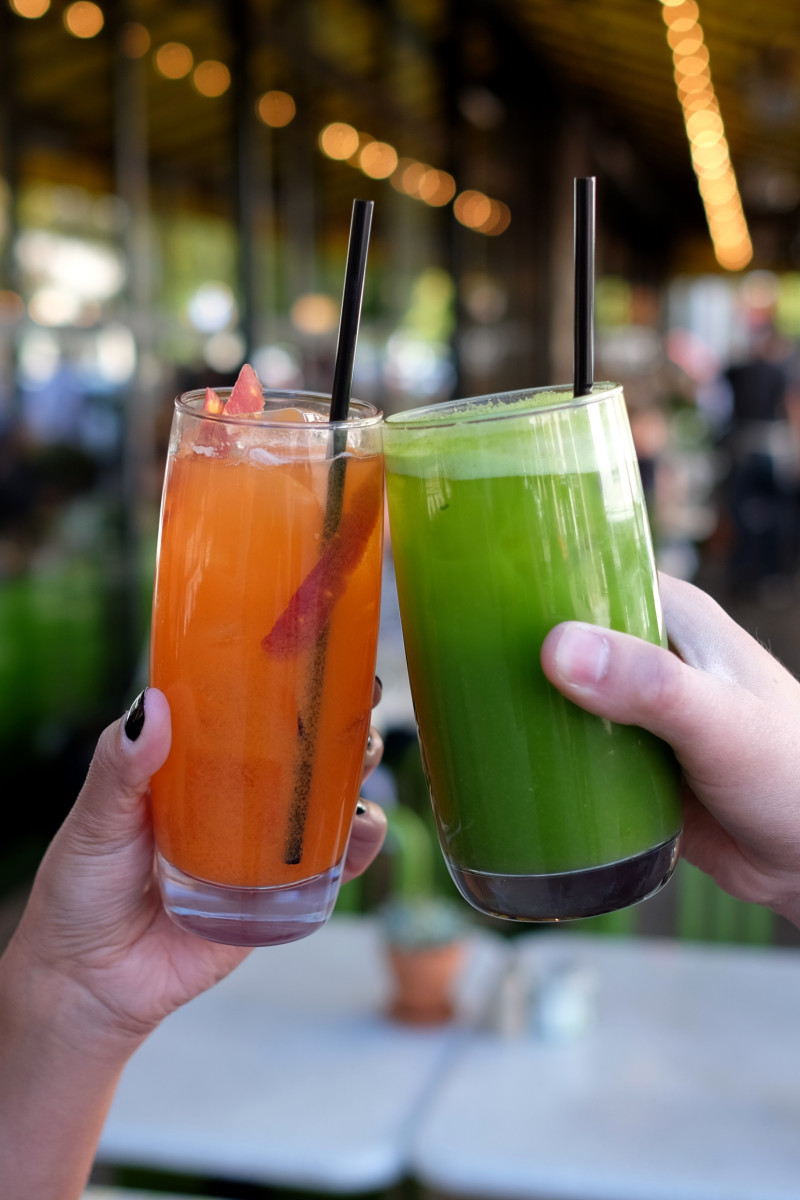
And while there’s no soda, there is an extensive drinks menu, featuring homemade juices and infusions like pomegranate chia limeade or or pressed apple soda. There are even wine options and a few homemade cocktails, like a citrus skinny margarita with organic tequila or a farmer’s market sangria with organic red wine.


menu from true food kitchen by dr. weil


While these drinks definitely give the restaurant a wider appeal, Dr. Weil stresses that the drinks — like the desserts — should be consumed in moderation.


“I myself am not a cocktail drinker,” he says. “But I think we have innovative cocktails that use fresh juices.” He notes that whereas in most restaurants, alcohol can account for 40 to 50 percent of sales, at True Food, alcohol only makes up about 15 to 18 percent.


An Ingredient-Based Philosophy


Whether it’s for breakfast, lunch, dinner, or drinks, ingredients are at the core of True Food Kitchen’s philosophy. The restaurant eschews GMOs and attempts to source things as locally as possible, and while not everything on the menu is organic, it does strictly adhere to the Dirty Dozen guidelines as outlined by the Environmental Working Group.


“For vegetable and fruits on their Dirty Dozen list, we only serve organic versions or don’t serve them,” says Dr. Weil.


Above all, True Food Kitchen is about exactly what its name would suggest: real food.


“I think the main problem that we have in this country is that most people are eating refined, processed, and manufactured food that’s far from the way nature produces it,” says Dr. Weil. “And we try to emphasize relatively simple preparations that emphasize great ingredients that are not real gussied up. One of my objections to most restaurant food today is that it’s just too fancy; it does not let simple ingredients shine through.”


With 15 current locations and more on the way – Chicago in November followed by several more – Bethesda, Naples, and Plain Oak, Texas – True Food Kitchen hasn’t stopped growing. Dr. Weil hopes that as the restaurant expands, it also grows internally, to offer cooking demonstrations teaching people to make healthy foods, so that they can bring the great flavor and healthy profile of these dishes home.


“I wanted to give people the experience of eating food that’s really pleasurable, that’s attractive and delicious, that also happens to be good for you,” says Dr. Weil. In doing so, he has created one of the only restaurant chains that isn’t just “not bad” for you; it’s actually good for you.


Related on Organic Authority
The Benefits of an Alkaline Diet: Does it Really Work?
The Vegan Diet in America: More than Just a Trend, It’s a Way of Life for Millions
The Ketosis Diet: Should You ‘Grease-Load’ to Lose Weight?


Emily Monaco

Emily Monaco

Emily Monaco is an American writer based in Paris. She is particularly interested in the ways in which the stories of one person, one ingredient, one tradition can illustrate differences and similarities in international food culture. Her work has been published in the Wall Street Journal, Paste Magazine, and Serious Eats. Twitter: @emiglia | www.emilymmonaco.com.


Wednesday, October 19, 2016

Leonardo DiCaprio is Going to Make You a Vegan Environmentalist (Like it or Not!)

Leonardo DiCaprio is Going to Make You a Vegan Environmentalist (Like it or Not!)


Leonardo DiCaprio is patient. He waited decades for his first Oscar win earlier this year. He tirelessly dates gorgeous supermodels one after the other after the other in search of the perfect soul mate (presumably), and he seems to be waiting out every single one of the climate naysayers with the release of yet another poignant climate change documentary he’s narrated and starring in.


“Before the Flood” is the latest documentary directed by Fisher Stevens who’s best known for another Oscar winner: 2009’s “The Cove,” which followed the egregious annual Japanese dolphin slaughter.


“I just want to know how far we’ve gone, and if there’s anything we can do to stop it,” DiCaprio says about the state of the climate in the film’s trailer as he visits chunks of Antarctica’s ice shelf breaking off, floods, deforestation, ocean acidification, and other destitute parts of the planet before talking climate solutions with experts including Barack Obama, Pope Francis, and, of course, Mr. Save-the-Future himself, Elon Musk.


Earlier this year, DiCaprio also reportedly joined forces with the Hindu Nationalist Party, Rashtriya Swayamsevak Sangh, in calling for a major global decrease in beef consumption. DiCaprio produced the 2015 documentary “Cowspiracy: The Sustainability Secret,” which looked at why some of the world’s leading environmental organizations refuse to call out animal agriculture as a leading cause of climate change.


Animal agriculture accounts for at least 14.5 percent of global greenhouse gas emissions, although some experts suggest its impact is even higher.


Beef Magazine (yep!) deflects DiCaprio’s urging, pointing instead to his lavish lifestyle as the real culprit: “DiCaprio jets around the world on his private plane, sails the open seas on his personal yacht and lights up his oversized mansion, the actor-turned-activist is calling for average Americans to curtail their energy use and to fight climate change by, get this — banning beef,” writes Amanda Radke.


Radke, a cattle rancher herself, says climate change is questionable, equating it curiously to just visible smog, and insisting that millions of beef cattle aren’t a problem, “perhaps we should look collectively at the many things we use in our everyday lives that require energy — from the clothes we wear to the cars we drive and to the electricity we use,” she writes. “I don’t know about you, but I’ve never seen smog over a pasture full of cattle, but I certainly have seen it in the concrete jungle of big cities where people, not animals, live.”


While yes, of course we should be (and already are) looking at clothes, electricity, and certainly the impact of cars, among other culprits, the blatant ignorance about animal agriculture’s impact on the planet reinforces the need for films like “Before the Flood” and radical calls to shift our dietary habits to more plant-based foods.


Certainly most meat-eaters aren’t going to give it all up just because Leonardo DiCaprio asked them to. But maybe if he keeps asking—keeps making poignant documentaries, delivering powerful speeches, and getting the message out there however he can—maybe it will change some minds. And just giving up meat a few meals a week is not insignificant. Some experts say it’s enough to tip the scales, and one of the easiest ways to reduce greenhouse gas emissions.


Moving toward the abundance of plant-based proteins now widely available could reduce costs related to climate change by as much as 50 percent by 2050, found a recent study.


But yet, despite data, and films like “Cowspiracy,” or “Before the Flood,” most people “are still not aware of the full extent of meat’s climate impacts,” researcher Annick de Witt wrote in Scientific American earlier this year.


“We examined how citizens in America and the Netherlands assess various food and energy-related options for tackling climate change,” de Witt explained. “We presented representative groups of more than 500 people in both countries with three food-related options (eat less meat; eat local and seasonal produce; and eat organic produce) and three energy-related options (drive less; save energy at home; and install solar panels). We asked them whether they were willing to make these changes in their own lives, and whether they already did these things. While a majority of the surveyed people recognized meat reduction as an effective option for addressing climate change, the outstanding effectiveness of this option, in comparison to the other options, was only clear to 6% of the U.S. population, and only 12% of the Dutch population.”


“This is the most important issue of our time,” DiCaprio says in the film, “the question is: Can we change our course in time?”


Find Jill on Twitter and Instagram


Related on Organic Authority


Vegan Meat is Now the Biggest Trend in the Tech Industry
SoCal’s Favorite Fast Food Joint May Soon Be a Favorite Vegan Hangout
Veestro’s Plant-Based Frozen Food Heats Up the Meal Delivery Kit Scene


Jill Ettinger

Jill Ettinger is a Los Angeles-based journalist and editor focused on the global food system and how it intersects with our cultural traditions, diet preferences, health, and politics. She is the senior editor for sister websites OrganicAuthority.com and EcoSalon.com, and works as a research associate and editor with the Cornucopia Institute, the organic industry watchdog group. Jill has been featured in The Huffington Post, MTV, Reality Sandwich, and Eat Drink Better. Twitter @jillettinger | www.jillettinger.com.


Friday, October 14, 2016

9 Conscious Coffee Beans You Have to Try (Plus, Expert Coffee Advice!)

You need to drink all of this conscious coffee.


Conscious coffee lovers who also love sustainability: Listen up.


Coffee has always been a reliable drink to turn to when a pick-me-up is needed. Although the way people drink coffee is changing—more millennials tend to venture to their favorite neighborhood coffee shop to get a cup of freshly roasted, organic coffee in the afternoon rather than brew a pot at home in the morning—the dark, hot drink is still popular.


Another thing that’s changed since coffee became the default warm beverage for people on-the-go is that generic, bulk brews don’t make the cut anymore. People crave coffee roasted and brewed by companies that value people, the environment and flavor.


The criteria


All the coffee brands and their roasts featured in this piece were chosen based on the following criteria:


– The brand uses beans from small- to mid-sized farmers. The brand either has a close, fair relationship with farmers, or is designated Fair Trade Certified.


– The brand roasts coffee and uses beans that have a low environmental impact. This means the brand sells organic coffee or is designated with another eco-friendly title, such as Shade-Grown or Certified Bird-Friendly.


– The brand is concerned with quality over quantity; all its coffee types were crafted with care. Basically, the brand has a select line of beans that it sells at a storefront, online or in local stores. Every brand referenced in this list has been lauded by coffee experts and online coffee reviews.


In addition to following the above criteria, we also reached out to coffee experts to get their professional thoughts on how the at-home coffee brewer can pick the best sustainable beans and make the perfect cup.


Are you ready to caff-up?


How to Find Fair Trade + Sustainable + Organic Coffee


Buying USDA Certified Organic coffee, Fair Trade Certified coffee, etc. is about more than taste—it’s also about helping the environment and farmers, too. However, when a brand is able to achieve great tasting roasts while maintaining organic certification, that’s worth noting.


Jason A. Sarley, the associate editor of Coffee Review (@CoffeeReview) and Certified Q-Grader, explains that while most USDA Certified Organic Coffee usually tastes better than conventional coffee, its taste isn’t necessarily interesting.


So, when a USDA Certified Organic Coffee brand can achieve a unique, memorable taste that receives universal high ratings, that’s saying something. See some of the USDA Certified Organic Coffee brands the coffee review has tried by visiting its organic coffee list.


“All of the companies on that list showcase the integrity and dedication necessary to produce world-class coffees; and amazingly, while striving for only the best they continue to support Organic Certification,” he explains.


The majority of coffee brands on the Coffee Review’s list also adhere to our coffee tasting methodology: the brands make sure coffee growers are treated well; coffee is grown and harvested in a way that doesn’t harm the environment; and coffee brewers are concerned with the quality of their roasts.


Kim Elena Ionescu, director of sustainability at the Specialty Coffee Association of America (@SpecialtyCoffee), comes from the school of thought that great coffee is inherently great because it benefits the people and communities involved in creating it while preserving the environment and natural resources.


Ionescu is thankful that more brands are beginning to support coffee that’s grown sustainably—just like the brands on our list. “There is no single correct path toward sustainability, but standards – and measurement against them–are a common feature of coffees that desire to have meaningful and lasting positive impact,” she adds.


We agree.


While all the brands on our list buy coffee from different farmers and places, they all have one thing in common: the beans they use are sustainably derived and are grown and harvested in a positive manner.


Brew the Perfect Cup


Michael Hibbs, a self-made barista who also operates the Little Coffee Place (@LCoffeePlace), says if people pay attention to the simple things, the perfect cup of coffee will result.


“The most important factors in order to brew the perfect cup of coffee are freshness, grind, and the coffee to water ratio,” Hibbs says.


Gibbs cautions that all the previously referenced ratios depend on personal preferences and brewing method.


Colby Barr, co-founder of Verve Coffee Roasters (@Vervecoffee), reiterates Hibbs’ comments, and reinforces them with short, simple steps everyone can follow to brew a great pot.


First, use filtered water. Next, grind fresh coffee. Don’t have a coffee grinder? Invest in a Burr Grinder, which grinds uniform particles, resulting in a better tasting brew. Before you begin to brew, make sure your water is hot—as in just-off-boil hot.


“Most home coffee makers simply don’t heat water hot enough, resulting in dull, lackluster, weak tasting coffee,” Barr explains. Also: make sure you’re using the correct coffee ratio: 15:1 water:coffee which is 20g coffee to 300g water for about for a ten-ounce diner mug. And if you use a French Press, let the coffee brew for 4 minutes.


Now, on to the highly-caffeinated but incredibly conscious coffee list…


Coffee Brands that Hit All the Marks


Larry


Image via Larry’s Coffee


1. Larry’s Coffee


@Larrysbeans


Larry’s Coffee boasts a great selection of flavorful beans roasted in Raleigh, North Carolina. Larry’s Coffee is:


  • USDA Certified Organic

  • Certified Fair Trade Proof, Fair Trade Federation, CRS Fair Trade

  • Shade-Grown (bird-friendly)

  • Kosher

  • A member of Cooperative Coffees

  • The business is a Certified B Corporation

Larry’s love for coffee started when he was young—not surprising, considering he grew up in Seattle. Although he didn’t intend to become a coffee roaster, his obsession with beans took over when he was in grad school.


For Larry, using fair trade beans was common sense. Not only does keeping everything fair help small farmers, but the search for these unique beans also opened Larry’s eyes to plethora flavors.


When Larry began helping small farmers, he wanted to do more.


“As I learned more about sustainability and climate change, I realized how much building use and energy can make a difference, so we started meeting with engineers and designers about how to lighten our footprint,” Larry adds.


“Step one was cutting open the length of our roasting plant’s roof and installing a massive passive solar clearstory to let sun shine in. Next, we put in super-efficient spray foam insulation and zone heating (to focus just on work areas). Then, we took our administrative offices and installed solar water heating panels and put in a radiant heat floor.”


Taste


We tried Larry’s Bad Kitty Blend. This dark roast was dark… dark, dark. But unlike most dark roasts, Bad Kitty was smooth and silky—very similar to a black cat. One cup of this roast goes a long way and will keep you caffeinated for hours.


Price


The roast we sampled retails for $14.99 for a 12 oz. bag of whole bean coffee. Other roast prices vary.


Where to Buy


Buy this and other roasts online if you aren’t near a store, market or shop that sells Larry’s Coffee.


Birds and Beans carries conscious coffee.


Image via Birds & Beans Coffee Roasters’ Facebook


2. Birds & Beans Coffee Roasters


@BirdsAndBeans


Birds & Beans hails from Toronto. This coffee roaster’s blends are:


  • USDA Certified Organic

  • Fair Trade Certified

  • Certified Bird-Friendly

While Bird & Beans got its start in Canada, Scott Weidensaul and Bill Wilson launched Birds & Beans coffee in Boston, Massachusetts in 2008.


The company sells beans that meet the rigorous Smithsonian Migratory Bird Center standards. The certification is based on decades of objective scientific research.


Although Birds & Beans’ blends are Fair Trade and Organic, it’s the brand’s namesake Wilson and Weidensaul are most proud of. Bird-friendly coffee means migratory songbirds have a better chance to survive while on their wintering grounds in the tropics, Wilson explains.


Taste


We tried Birds & Beans’ Scarlet Tanager, French Roast. The smell of these divine beans are as magnificent as the coffee’s taste: smoky, dark, and rich.


Price


The roast we sampled was $12.50 for 12 oz. of whole bean coffee. Other blend prices vary.


Where to Buy


Birds & Beans is available throughout the U.S. See all locations here. You also can buy its beans online.


Sweetwater Coffee roasts conscious coffee.


Image via Sweetwater Coffee


3. Sweetwater Organic Coffee


@sworganiccoffee


Sweetwater Organic Coffee is located in Gainesville, Florida. Sweetwater’s coffee is:


  • USDA Certified Organic

  • High altitude and Shade-Grown

  • Specialty-Grade Arabica

  • Fair Trade Association

  • Cooperative Coffees

The brand partners with small-scale farmers and vows to connect with communities while brewing an outstanding cup.


Taste


We tried Sweetwater’s incredibly deep Midnight Oil. This coffee is a dark French roast and it lives up to its name. It sent a shockwave of energy to my brain that lasted well into the evening without any jitters. And while this was one of the darker blends we tried, it still didn’t have a bitter aftertaste—no cream needed.


Price


The sample we tried retails for $12.95 for 1 pound of whole bean coffee. Other blend prices vary.


Where to Buy


Buy at the company’s wholesale facility in Florida, or online.


He makes conscious coffee.


Image via Dean’s Beans


4. Dean’s Beans


@Deans_Beans


Dean’s Beans Organic Coffee Company was founded in 1993. The Orange, Massachusetts, brand features coffee that’s:


  • USDA Certified Organic

  • CRS Fair Trade

  • SVK Kosher

  • Fair Trade Federation Member

Since the company’s opening, it has used high-quality specialty coffee as a vehicle for progressive change throughout Asia, Africa, and the Americas.


Dean, the namesake of the coffee company, began his career as an indigenous rights lawyer, but eventually transitioned to working full-time in the coffee industry.


Through the years, Dean has met the farmers who produce the company’s coffee. He also strives to develop relationships with cooperative members.


Taste


We had a chance to sample Dean’s Beans’ Sumatran French Roast. It was very mild—but still smoky. It’s incredibly easy to drink alone, or paired with a meal. (Cake is a meal, right?)


Price


This blend is priced at $9.69 for 1 pound of whole bean coffee. Other roast prices vary.


Where to Buy


Locals can buy the coffee fresh at its storefront. Everyone else can buy online.


Conscious coffee is the name of the game at Batdorf & Bronson.


Image via B&B’s Instagram


5. Batdorf & Bronson Coffee Roasters


@BatdorfCoffee


Batdorf & Bronson was started by Dick Batdorf and Shannon Bronson. It roasts coffee that’s:


  • Certified Organic

  • Fair Trade Certified

  • Bird-Friendly

  • Shade-Grown

The company opened in 1986 and was one of the first small batch specialty coffee roasters in the Pacific Northwest. The company has a location in Olympia, Washington, and Atlanta.


B&B is an original champion of Sustainable Harvest, and the brand creates direct trade relationships with farmers; it’s founders have always felt that observing sustainable practices from seed to cup are the right way to do business, Joshua Russert, Northwest outreach and customer support coordinator at Batdorf & Bronson, explains.


Taste


We had some of this brand’s Whirling Dervish blend. This roast was light, but complex. A true treat.


Price


The blend we sampled was $14 for 12 oz. of whole bean coffee.


Where to Buy


Buy online or at one of the company’s locations.


Conscious coffee is beautiful.


Image via Cafe Man’s Facebook


6. Cafe Mam


@CafeMamCoffee


Cafe Mam’s blends are grown by native Mayan farmers who live in the highlands of Chiapas, Mexico, in fair trade cooperatives. The 25-year-old company’s growers are from the Mam, Tzetzal, and Mochó peoples. The brand’s coffee is:


  • USDA Certified Organic

  • Fair Trade Certified

  • OTCO

  • Green America Approved Business

  • Shade-Grown

The coffee growers’ fair trade cooperatives are organized according to egalitarian democratic ideals. These ideals emphasize hard work, responsibility to the cooperative, and high standards.


“[We] believe organic and ethically sourced products, like coffee, shouldn’t be a specialty item, but instead, the defining standard—the new conventional, available and affordable to the average consumer,” Wesley J. Curtis of Cafe Mam says.


Taste


We had Cafe Mam’s Mocho Blend. It finishes crisp and clean, but tastes incredibly rich.


Price


A 1.5 pound, whole bean bag of the roast we sampled is $14.25. Other roasts vary.


Where to Buy


Buy online or visit its store locator.


Rise Up coffee carries conscious coffee.


Image via Rise Up, Luke Wright


7. Rise Up Coffee


@riseupcoffee


Timothy Cureton, founder and CEO of Rise Up Coffee, has operated the business as an independent, small-batch coffee roaster and retailer since March 2005. This brand has coffee that’s:


  • Fair Trade Certified

  • 100-Percent Organic, Fair Trade

  • USDA Organic

All of Rise Up’s coffees are grown on farms using traditional cultivating techniques without the use of pesticides. Cureton attributes the company’s success to its coffee farmers. The brand strives to make certain to honor Fair Trade practices to ensure the people it works with earn a fair wage.


Taste


Rise Up Coffee sent us some of its Organic Costa Rica Las Lajas blend. Its flavor profile includes honey, which the drinker can subtly detect.


Price


This blend retails for $18 for 12 oz. of whole coffee.


Where to Buy


Buy online or at any of the brand’s listed locations.


Kickapoo knows conscious coffee.


Image via Kickapoo, Lissy Matthews of Kickapoo Coffee


8. Kickapoo Coffee Roasters


@kickapoocoffee


Kickapoo Coffee has served up organic, conscious coffee for ten years. It’s roasts are:


  • Fair Trade

  • The brand is part of Cooperative Coffees

  • MOSA Certified Organic

T.J. Semanchin co-founded Kickapoo Coffee with Caleb Nicholes in 2005. The founders work to keep social justice in mind while roasting a high-quality product.


“The benefit of organic is clear,” Semanchin says.


Everything from the environment to the coffee farmers and workers benefit from the organic growing and harvesting process.


“[We have a] commitment to small farmers who have inherited a colonial history… that dynamic is real in today’s world—that legacy of inequality and dynamic has left many of those regions impoverished,” he adds.


“We address that by making a commitment to the small producers to reduce that trend in the trade”


Taste


We sampled some of Kickapoo Coffee’s organic Guatemala Rio Azul brew. It has a subtle sweet flavor that’s smoky in nature. Related: This roast received a 92 from Coffee Review.


Price


The blend we tried is $15.95 for 12 oz. of whole bean coffee.


Where to Buy


You can buy this brand online, or visit its location for scheduled cuppings.


Brewing conscious coffee comes natural at this cafe.


Image via the Cafe Campesino


9. Cafe Campesino


@CafeCampesino


This Georgia coffee company has coffee that’s:


  • Fair Trade Proof

  • USDA Certified Organic

The company opened in 1998 after Bill Harris, co-founder, traveled to Guatemala in 1997. His trip educated him on the importance of fair coffee farming. Since the brand’s start, Lee Harris, co-founder, and Tripp Pomeroy have joined the company with the hope of making the best, most sustainable coffee Americus, Georgia, has to offer. The company also is part of the Fair Trade Federation, Georgia Organics, Oregon Tilth, a Certified Green Business, and part of Cooperative Coffees—it was one of the founding members.


Taste


We brewed some of Cafe Campesino’s Easygoing Espresso. This brew lives up to its name: it’s incredibly mild for a darker roast and easy to drink.


Price


The roast we tried was $12.95 for 1 pound of whole bean coffee.


Where to Buy


Buy online or visit its storefront.


Related on Organic Authority
How to Make Cold Brew Coffee (Plus Secret Ingredients You Need to Try)
3 Coffee Smoothie Recipes: Bring Some Bulk to Your Morning Buzz
The Sirt Food Diet: Activate Your ‘Skinny Gene’ with Chocolate, Kale, and Coffee!


Image of coffee via Shutterstock


Thursday, October 13, 2016

Bob Marley’s Son is Turning Prisons into Pot Farms

Bob Marley


Damian “Jr. Gong” Marley, the 38-year-old musician and youngest son of reggae legend Bob Marley, is living up to one of his father’s other most notable passions: cannabis.


Marley has partnered with Ocean Grown Extract in a plan to covert a 77,000 square foot former California state prison in Coalinga into a cannabis farm. The former prison site, once home to many non-violent drug offenders, will be growing medical marijuana for the state’s dispensaries.


“Many people sacrificed so much for the herb over the years who got locked up,” Marley told Billboard. “If this [venture] helps people and it’s used for medicinal purposes and inspires people, it’s a success.”


Not only is the business venture somewhat of a vindication for those incarcerated on drug charges, but it’s also helping to revamp the Central Valley town, which was more than $3 million in debt. Marley and Ocean Grown Extract purchased the facility for $4.1 million, generating a million dollars annually in taxes for the town, and it will also create about 100 jobs in the region as well.


The new business began “in a very organic way,” Dan Dalton, Marley’s longtime manager told Billboard. “Cannabis is something that’s around Damian every day with friends, family and with his Rastafarian faith. We’ve watched people who have sacrificed their lives for it. That injustice has motivated us to be advocates as well as knowing that there are healing properties in cannabis.”


And the move also comes in anticipation of California ballot measure Proposition 64, which would legalize recreational cannabis in the state if it passes next month.


Marley recently opened a dispensary in Denver named Stony Hill. Colorado became the first state to legally sell recreational marijuana in 2014, and since then it’s seen an economic boom. Along with California, Arizona, Maine, Massachusetts, and Nevada will be voting on recreational marijuana laws this November as well.


 Find Jill on Twitter and Instagram


Related on Organic Authority


Juicing Cannabis: Turn Up Your Juice Game to 11
Is Cannabis the New Kale?
Your Organic Marijuana Isn’t Really Organic…Not Yet


Jill Ettinger

Jill Ettinger is a Los Angeles-based journalist and editor focused on the global food system and how it intersects with our cultural traditions, diet preferences, health, and politics. She is the senior editor for sister websites OrganicAuthority.com and EcoSalon.com, and works as a research associate and editor with the Cornucopia Institute, the organic industry watchdog group. Jill has been featured in The Huffington Post, MTV, Reality Sandwich, and Eat Drink Better. Twitter @jillettinger | www.jillettinger.com.